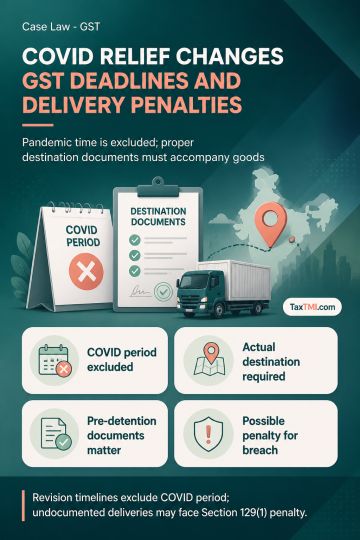
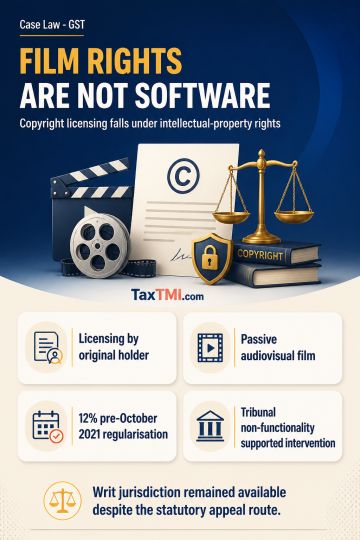
COVID-19 limitation exclusion and destination-specific e-way bills govern revisional timelines and penalties for undocumented third-party plywood deli...
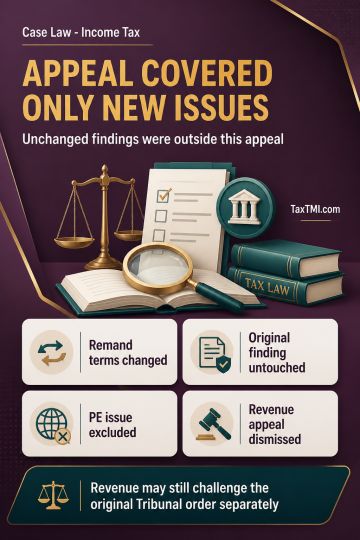
Questions arising from miscellaneous application orders cannot challenge unaltered Tribunal findings, leaving the original order separately challengea...
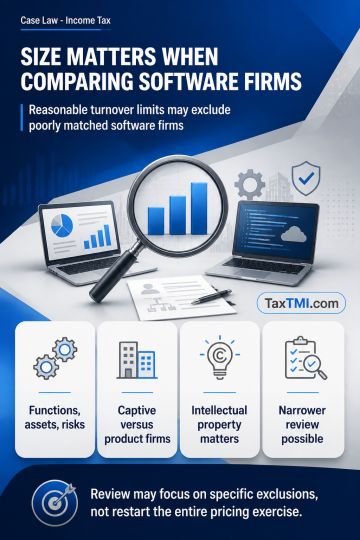
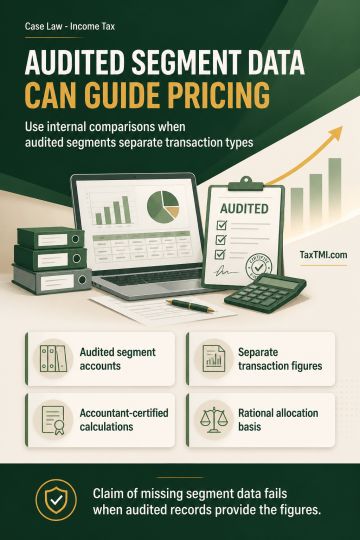
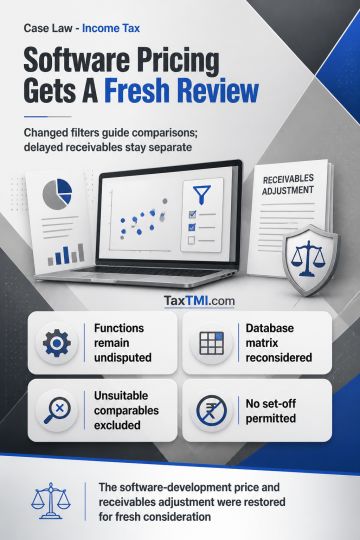
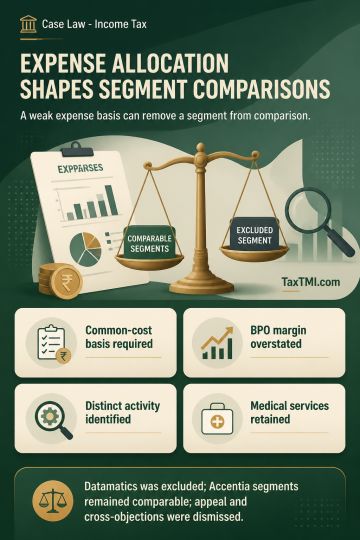
Transfer-pricing comparability filters require fresh arm's-length analysis, while delayed receivables need separate reconsideration with working-capit...
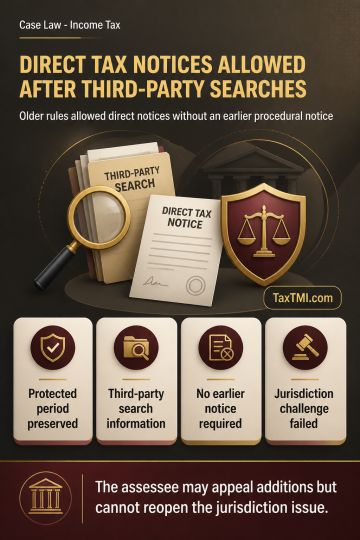
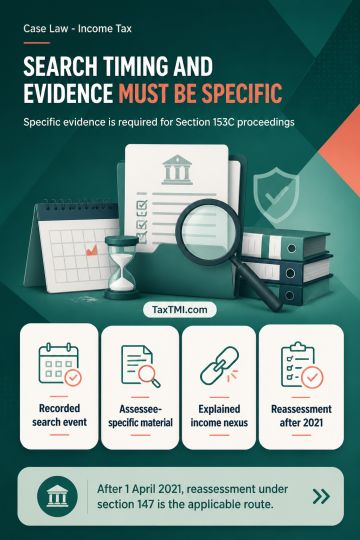
Section 153C jurisdiction requires timely deemed search and assessee-specific satisfaction material; otherwise reassessment must use the proper statut...
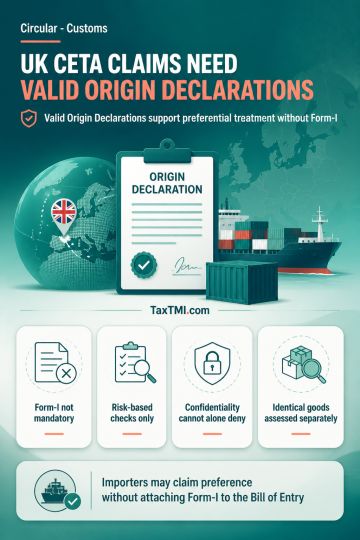
Rules of Origin under a trade agreement prevail over CAROTAR, 2020 where inconsistent. For preferential imports under the India-UK CETA, a valid Origin Declaration from the UK exporter or producer is sufficient proof of origin; Form-I is neither required with the Bill of Entry nor a condition for preferential tariff treatment. Form-I information may be sought only where risk-based origin checks are triggered and the proper officer has reason to believe origin criteria are unmet. Failure to provide exporter or producer confidential information cannot alone deny preference, and insufficient information may be verified through the exporting party's Verification Authority. Earlier adverse origin determinations apply to later imports only when goods are genuinely identical, subject to importer submissions and independent assessment of materially different goods.
Rules of Origin under a trade agreement prevail over CAROTAR, 2020 where inconsistent. For preferential imports under the India-UK CETA, a valid Origin Declaration from the UK exporter or producer is sufficient proof of origin; Form-I is neither required with the Bill of Entry nor a condition for preferential tariff treatment. Form-I information may be sought only where risk-based origin checks are triggered and the proper officer has reason to believe origin criteria are unmet. Failure to provide exporter or producer confidential information cannot alone deny preference, and insufficient information may be verified through the exporting party's Verification Authority. Earlier adverse origin determinations apply to later imports only when goods are genuinely identical, subject to importer submissions and independent assessment of materially different goods.
Note: It is a system-generated summary and is for quick reference only.
 TaxTMI
  TaxTMI
 of 4881