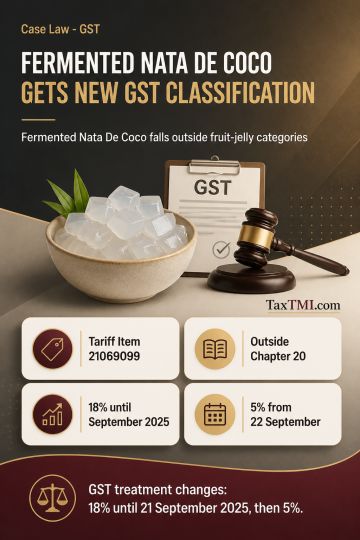
Residual food-preparation classification places fermented Nata De Coco outside fruit-jelly categories, changing its GST treatment across notified peri...
Settlement application eligibility requires a pending assessment when filed, preventing an extra prior-eligibility condition from blocking considerati...
SAFTA preferential duty exemption applied to Bangladesh-origin garment imports because verified Certificates of Origin were linked to invoices and Bills of Entry, Bangladesh authorities confirmed their validity, and no evidence established intellectual-property infringement. Customs detention and provisional release conditions were therefore unsustainable, requiring release against the assessed Bills of Entry with preferential treatment. Enhanced assessable value based on an undisclosed market enquiry lacked particulars or documentary support and was set aside. Regulation 6(1) of the Handling of Cargo in Customs Areas Regulations, 2009 required complete waiver of demurrage, detention and allied charges because the goods had been unlawfully detained.
SAFTA preferential duty exemption applied to Bangladesh-origin garment imports because verified Certificates of Origin were linked to invoices and Bills of Entry, Bangladesh authorities confirmed their validity, and no evidence established intellectual-property infringement. Customs detention and provisional release conditions were therefore unsustainable, requiring release against the assessed Bills of Entry with preferential treatment. Enhanced assessable value based on an undisclosed market enquiry lacked particulars or documentary support and was set aside. Regulation 6(1) of the Handling of Cargo in Customs Areas Regulations, 2009 required complete waiver of demurrage, detention and allied charges because the goods had been unlawfully detained.
Note: It is a system-generated summary and is for quick reference only.
 TaxTMI
  TaxTMI
 of 4884