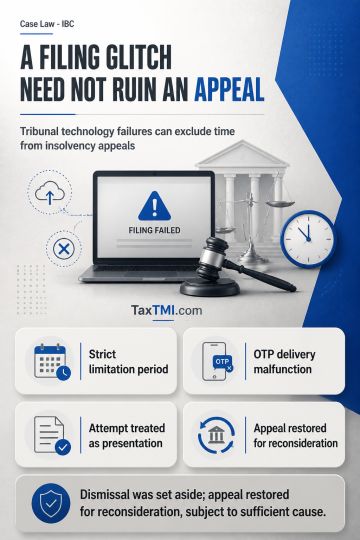
E-filing system failure permits exclusion of affected time in insolvency appeals, preventing tribunal technology defects from defeating timely filings...
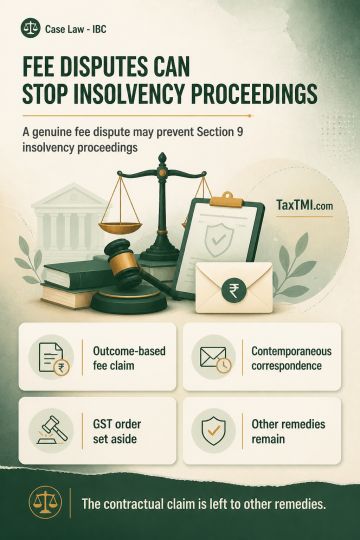
Pre-existing disputes over outcome-based professional fees can bar Section 9 insolvency proceedings where contractual entitlement requires investigati...
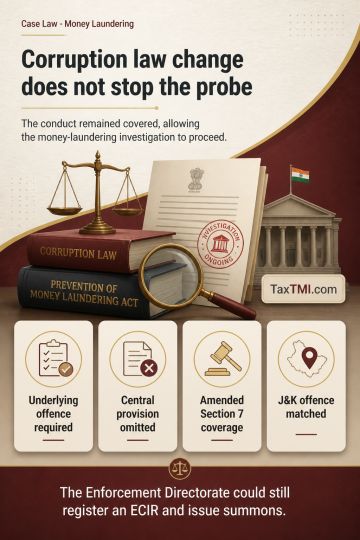
Corresponding scheduled offences preserve money-laundering jurisdiction despite repeal of the central corruption provision where conduct remains cover...
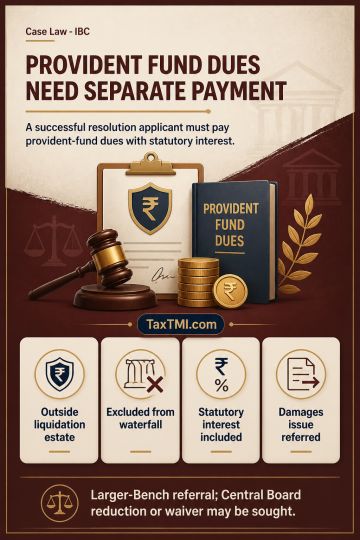
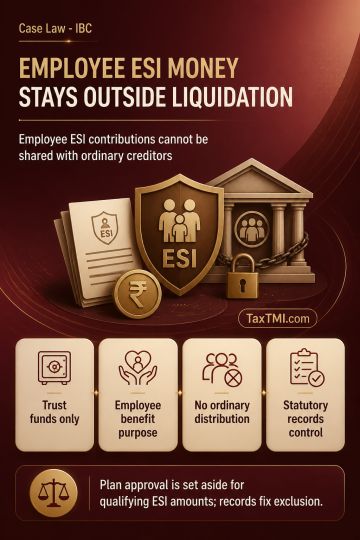
Statutory ESI contributions, including amounts deducted from employees' wages, are trust funds held by the corporate debtor for statutory beneficiaries and do not beneficially belong to it. Their filing as a Form B claim is procedural and neither changes their trust character nor prevents ESIC from seeking exclusion. These contributions must remain outside the liquidation estate and cannot be distributed through the creditor waterfall as ordinary Government or operational creditor dues. Resolution-plan approval is set aside to the extent it treats qualifying ESI contributions as ordinary dues; the excluded amount must be determined from statutory records.
Statutory ESI contributions, including amounts deducted from employees' wages, are trust funds held by the corporate debtor for statutory beneficiaries and do not beneficially belong to it. Their filing as a Form B claim is procedural and neither changes their trust character nor prevents ESIC from seeking exclusion. These contributions must remain outside the liquidation estate and cannot be distributed through the creditor waterfall as ordinary Government or operational creditor dues. Resolution-plan approval is set aside to the extent it treats qualifying ESI contributions as ordinary dues; the excluded amount must be determined from statutory records.
Note: It is a system-generated summary and is for quick reference only.
 TaxTMI
  TaxTMI
 of 4891