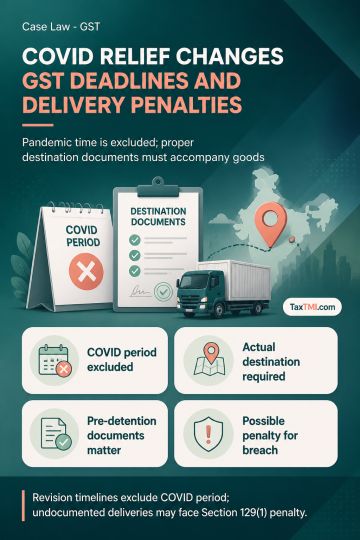
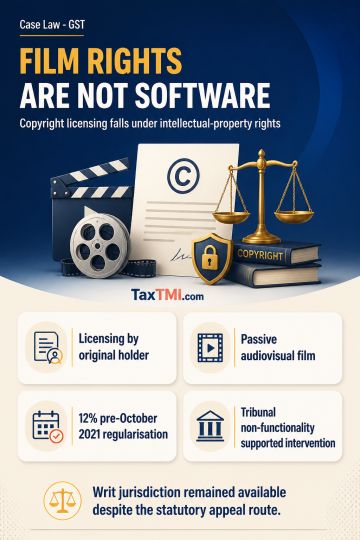
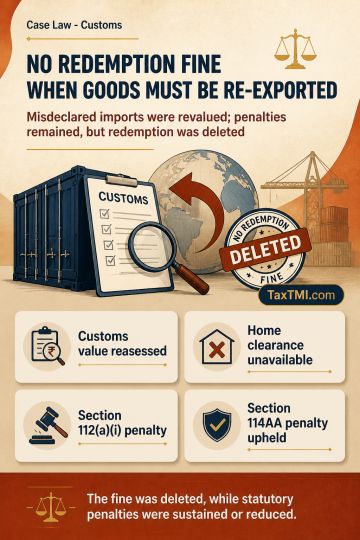
COVID-19 limitation exclusion and destination-specific e-way bills govern revisional timelines and penalties for undocumented third-party plywood deli...
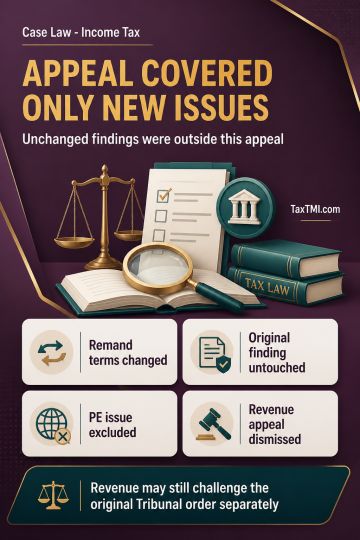
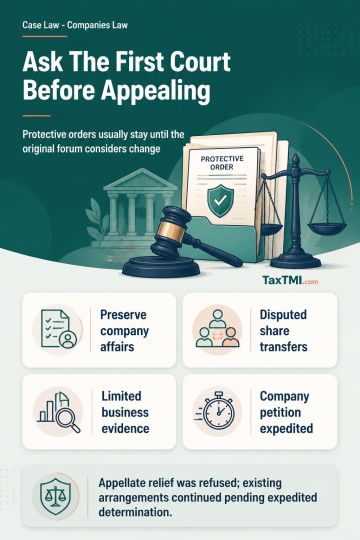
Questions arising from miscellaneous application orders cannot challenge unaltered Tribunal findings, leaving the original order separately challengea...
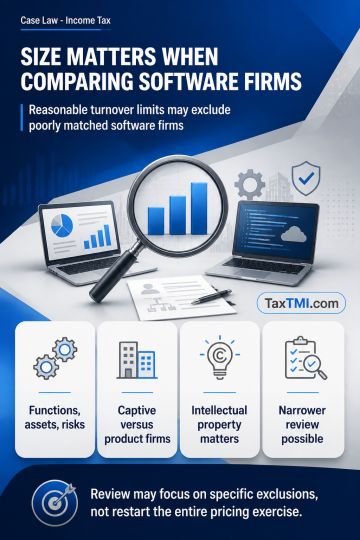
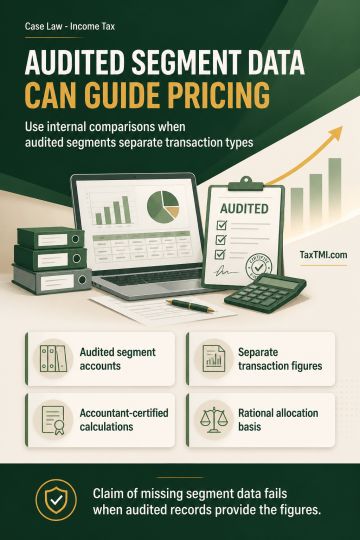
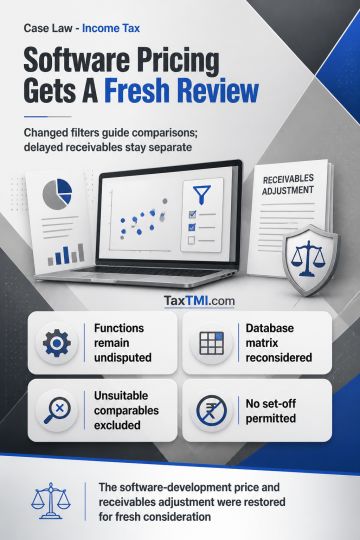
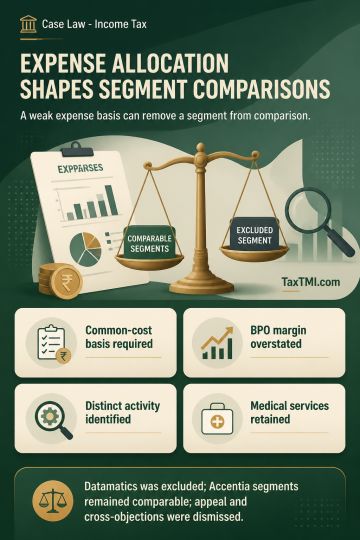
Transfer-pricing comparability filters require fresh arm's-length analysis, while delayed receivables need separate reconsideration with working-capit...
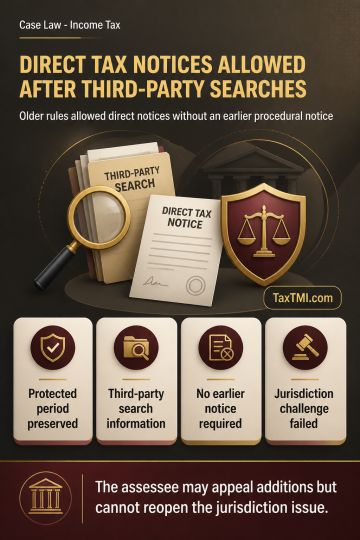
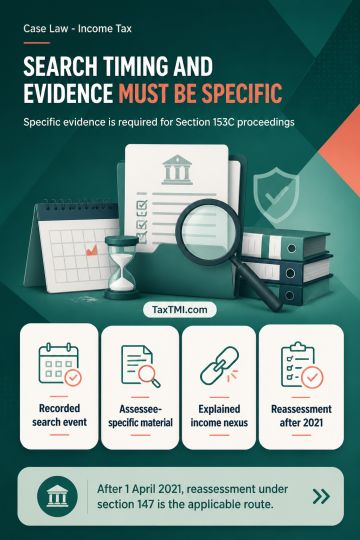
Section 153C jurisdiction requires timely deemed search and assessee-specific satisfaction material; otherwise reassessment must use the proper statut...
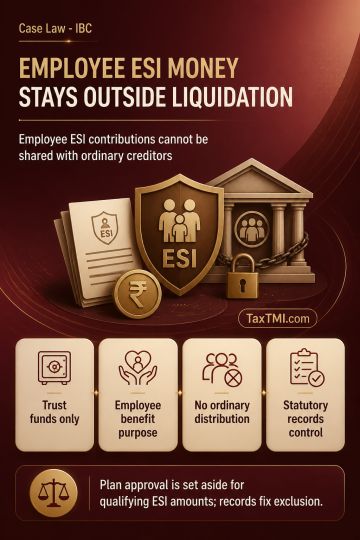
Statutory ESI contributions, including amounts deducted from employees' wages, are trust funds held by the corporate debtor for statutory beneficiaries and do not beneficially belong to it. Their filing as a Form B claim is procedural and neither changes their trust character nor prevents ESIC from seeking exclusion. These contributions must remain outside the liquidation estate and cannot be distributed through the creditor waterfall as ordinary Government or operational creditor dues. Resolution-plan approval is set aside to the extent it treats qualifying ESI contributions as ordinary dues; the excluded amount must be determined from statutory records.
Statutory ESI contributions, including amounts deducted from employees' wages, are trust funds held by the corporate debtor for statutory beneficiaries and do not beneficially belong to it. Their filing as a Form B claim is procedural and neither changes their trust character nor prevents ESIC from seeking exclusion. These contributions must remain outside the liquidation estate and cannot be distributed through the creditor waterfall as ordinary Government or operational creditor dues. Resolution-plan approval is set aside to the extent it treats qualifying ESI contributions as ordinary dues; the excluded amount must be determined from statutory records.
Note: It is a system-generated summary and is for quick reference only.
 TaxTMI
  TaxTMI
 of 4881