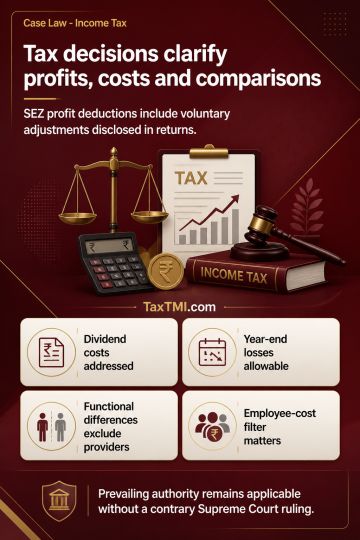
SEZ-unit profit deduction covers voluntary transfer-pricing adjustments, while exempt-income costs, foreign-exchange loss and ITeS comparables are exa...
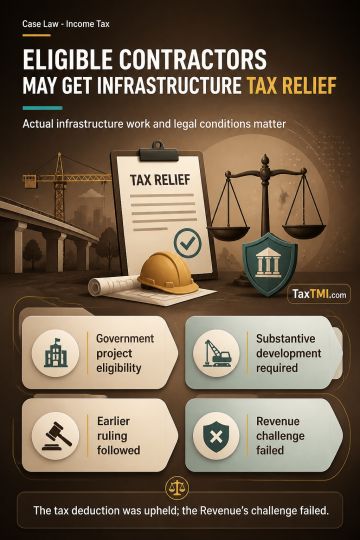
Infrastructure-development deduction remains available to EPC contractors when substantive statutory conditions outweigh contractor labels in agreemen...
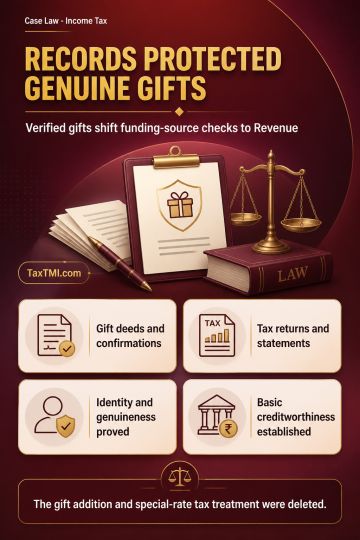
Explained Investment Sources: documented gifts and traceable salary savings supported deletion of additions for property and mutual-fund SIP investmen...
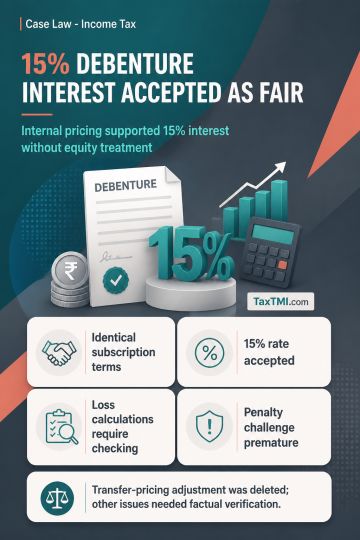
Internal comparable pricing supports arm's-length interest on compulsorily convertible debentures, preventing their recharacterisation as equity for t...
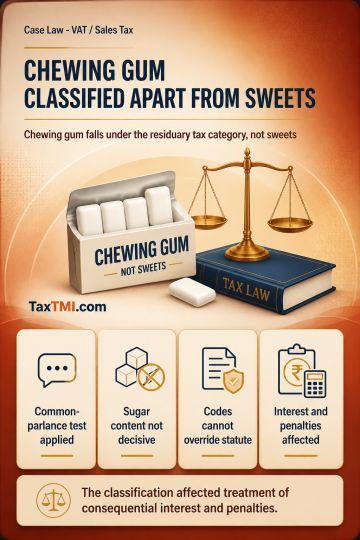
Chewing gum is classified as unclassified goods under residuary Entry 87 of Schedule II to the Gujarat Value Added Tax Act, 2003, rather than as "sweets and sweetmeats" under Entry 74A. Applying the common-parlance test and the Supreme Court position that chewing gum or bubble gum is chewed and discarded rather than eaten, its sugar content does not make it a sweetmeat. Commodity codes used for e-services and prior departmental treatment cannot override statutory classification. As no specific entry covers chewing gum, the residuary entry applies; the contrary classification also affected the treatment of consequential interest and penalties.
Chewing gum is classified as unclassified goods under residuary Entry 87 of Schedule II to the Gujarat Value Added Tax Act, 2003, rather than as "sweets and sweetmeats" under Entry 74A. Applying the common-parlance test and the Supreme Court position that chewing gum or bubble gum is chewed and discarded rather than eaten, its sugar content does not make it a sweetmeat. Commodity codes used for e-services and prior departmental treatment cannot override statutory classification. As no specific entry covers chewing gum, the residuary entry applies; the contrary classification also affected the treatment of consequential interest and penalties.
Note: It is a system-generated summary and is for quick reference only.
 TaxTMI
  TaxTMI
 of 4879