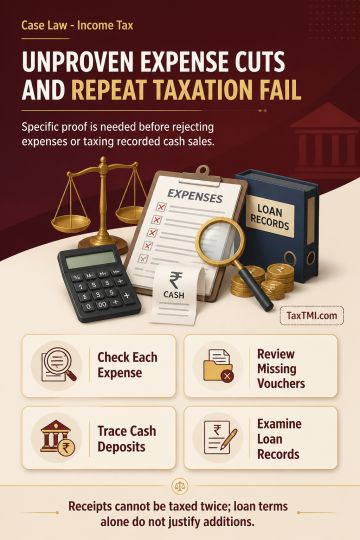
Capital-gains exemption for charitable trusts extends to qualifying fixed deposits, while unrecoverable TDS write-offs may constitute income applicati...
India-UK treaty characterisation of telecom-service receipts as business profits withstands unilateral domestic-law amendments for Indian tax purposes...
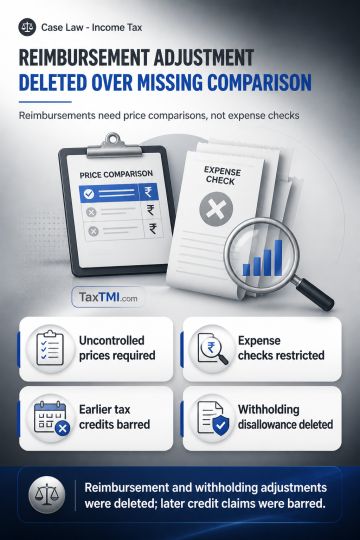
Transfer-pricing reimbursement adjustments require uncontrolled comparables and cannot become expense-genuineness reviews, resulting in deletion of th...
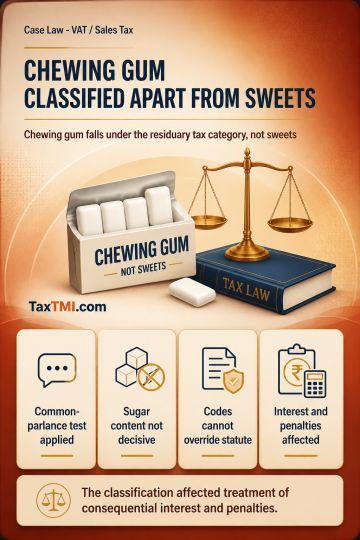
Chewing gum is classified as unclassified goods under residuary Entry 87 of Schedule II to the Gujarat Value Added Tax Act, 2003, rather than as "sweets and sweetmeats" under Entry 74A. Applying the common-parlance test and the Supreme Court position that chewing gum or bubble gum is chewed and discarded rather than eaten, its sugar content does not make it a sweetmeat. Commodity codes used for e-services and prior departmental treatment cannot override statutory classification. As no specific entry covers chewing gum, the residuary entry applies; the contrary classification also affected the treatment of consequential interest and penalties.
Chewing gum is classified as unclassified goods under residuary Entry 87 of Schedule II to the Gujarat Value Added Tax Act, 2003, rather than as "sweets and sweetmeats" under Entry 74A. Applying the common-parlance test and the Supreme Court position that chewing gum or bubble gum is chewed and discarded rather than eaten, its sugar content does not make it a sweetmeat. Commodity codes used for e-services and prior departmental treatment cannot override statutory classification. As no specific entry covers chewing gum, the residuary entry applies; the contrary classification also affected the treatment of consequential interest and penalties.
Note: It is a system-generated summary and is for quick reference only.
 TaxTMI
  TaxTMI
 of 4878