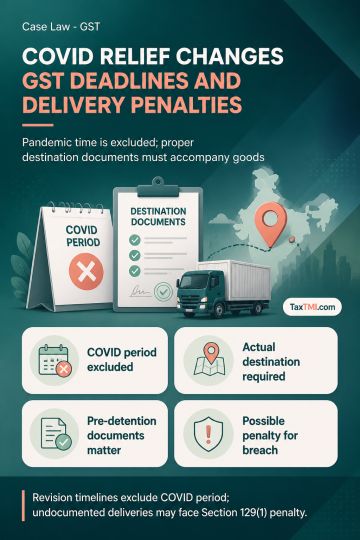
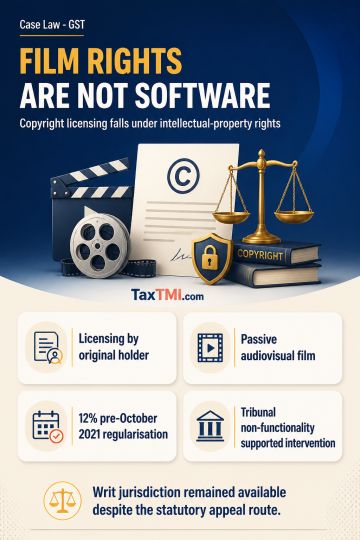
COVID-19 limitation exclusion and destination-specific e-way bills govern revisional timelines and penalties for undocumented third-party plywood deli...
Questions arising from miscellaneous application orders cannot challenge unaltered Tribunal findings, leaving the original order separately challengea...
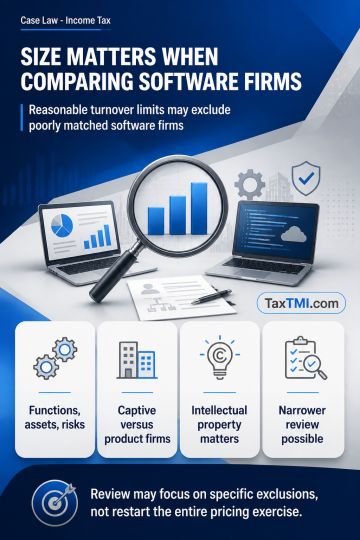
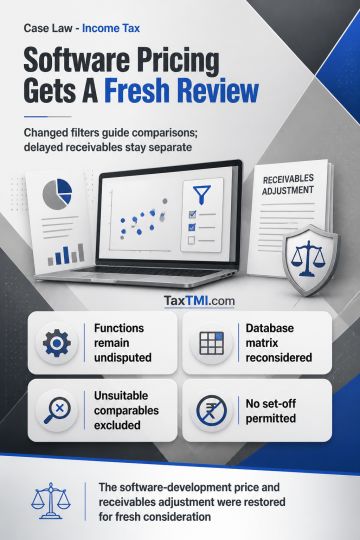
Transfer-pricing comparability filters require fresh arm's-length analysis, while delayed receivables need separate reconsideration with working-capit...
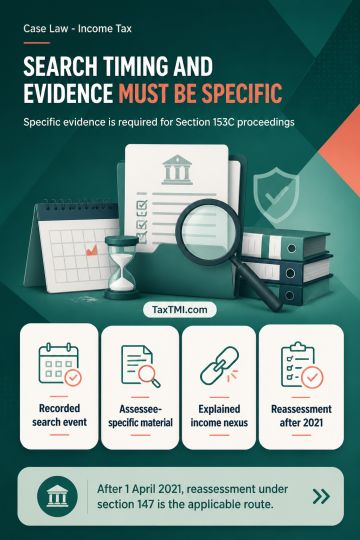
Section 153C jurisdiction requires timely deemed search and assessee-specific satisfaction material; otherwise reassessment must use the proper statut...
Appellate enhancement is confined to income sources examined in...
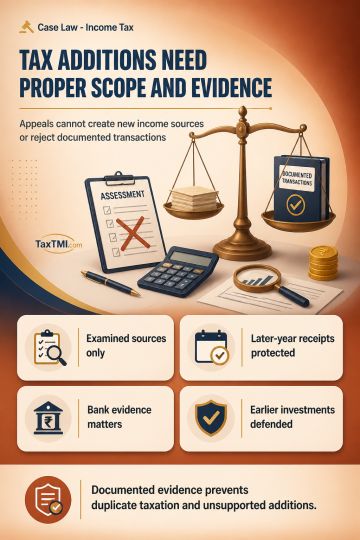
Appellate enhancement limits protect against new income sources, while documented credits and prior-year investments resist unexplained-income additions.
Contents
Summary
Note
Bookmark
Share
✓ Copied successfully !
Print
Print Options
For full text, please login
Login to TaxTMI
Verification Pending
The Email Id has not been verified. Click on the link we have sent on
Appellate enhancement is confined to income sources examined in assessment and cannot introduce sale consideration as a new taxable source where only related expenditure was scrutinised. Advance rental receipts already offered in later years are not taxable again absent accrual in the relevant year, preventing double taxation. Recorded bank credits, loans and advances supported by ledgers, confirmations and banking evidence cannot be treated as unexplained without adverse material. Likewise, no unexplained-investment addition arises for shareholdings acquired in earlier years, while documentary proof of disclosed cash sources and individual-to-HUF transfers shifts the evidentiary burden to the Revenue.
Appellate enhancement is confined to income sources examined in assessment and cannot introduce sale consideration as a new taxable source where only related expenditure was scrutinised. Advance rental receipts already offered in later years are not taxable again absent accrual in the relevant year, preventing double taxation. Recorded bank credits, loans and advances supported by ledgers, confirmations and banking evidence cannot be treated as unexplained without adverse material. Likewise, no unexplained-investment addition arises for shareholdings acquired in earlier years, while documentary proof of disclosed cash sources and individual-to-HUF transfers shifts the evidentiary burden to the Revenue.
Note: It is a system-generated summary and is for quick reference only.
 TaxTMI
  TaxTMI
 of 4881