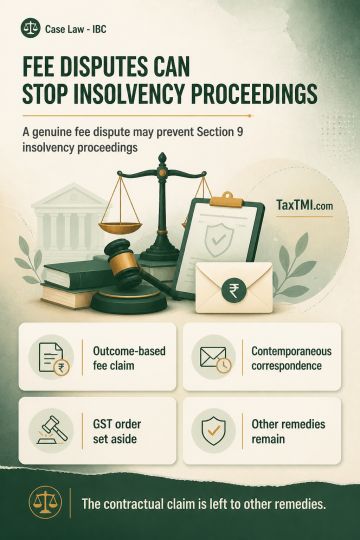
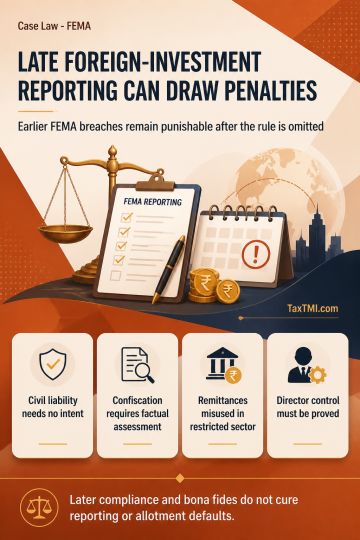
Pre-existing disputes over outcome-based professional fees can bar Section 9 insolvency proceedings where contractual entitlement requires investigati...
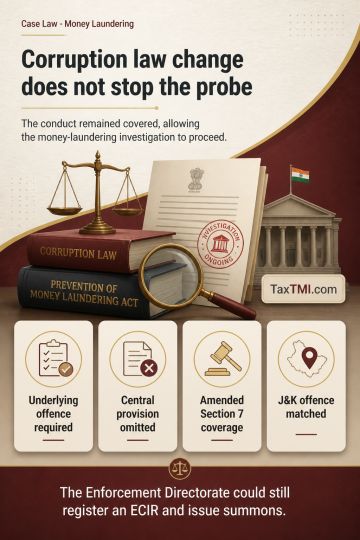
Corresponding scheduled offences preserve money-laundering jurisdiction despite repeal of the central corruption provision where conduct remains cover...
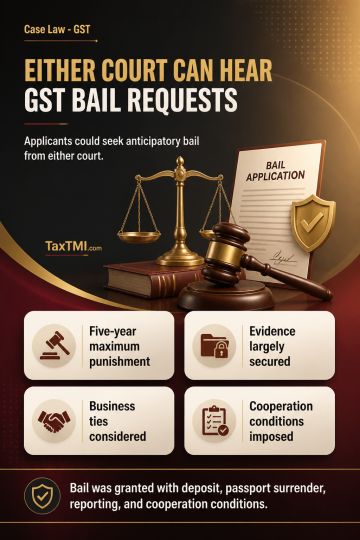
Concurrent anticipatory-bail jurisdiction permits applications before either forum, while secured evidence may negate custodial interrogation in GST e...
Page of 4881
Press 'Enter' after typing page number.
621 to 640 of 97618 Results
❮
❯
❯❯
0 / 200
Expand Note
Add to Folder
No Folders have been created
+
Are you sure you want to delete "My most important" ?
Revenue must establish tariff reclassification through evidence of each imported article's objective characteristics, applicable tariff entries, Section Notes and Explanatory Notes; representative sampling, undisclosed website material and unreasoned end-use assertions were insufficient. The proposed reclassification and consequential denial of concessional duty failed. Extended limitation required pleaded and proven collusion, wilful misstatement or suppression; a corrigendum could not add new articles or bills of entry, and charges first introduced through it ran from its date. The extended-period demand was unavailable. Duty determination had to reconcile annexures and appropriate verified payments, so the unreconciled demand failed. Incorrect tariff classification without false description or exemption breach did not justify confiscation, redemption fine, penalty or consequential interest; these were set aside, subject to any timely verified residual short-payment determination.
Revenue must establish tariff reclassification through evidence of each imported article's objective characteristics, applicable tariff entries, Section Notes and Explanatory Notes; representative sampling, undisclosed website material and unreasoned end-use assertions were insufficient. The proposed reclassification and consequential denial of concessional duty failed. Extended limitation required pleaded and proven collusion, wilful misstatement or suppression; a corrigendum could not add new articles or bills of entry, and charges first introduced through it ran from its date. The extended-period demand was unavailable. Duty determination had to reconcile annexures and appropriate verified payments, so the unreconciled demand failed. Incorrect tariff classification without false description or exemption breach did not justify confiscation, redemption fine, penalty or consequential interest; these were set aside, subject to any timely verified residual short-payment determination.
Note: It is a system-generated summary and is for quick reference only.
 TaxTMI
  TaxTMI
 of 4881