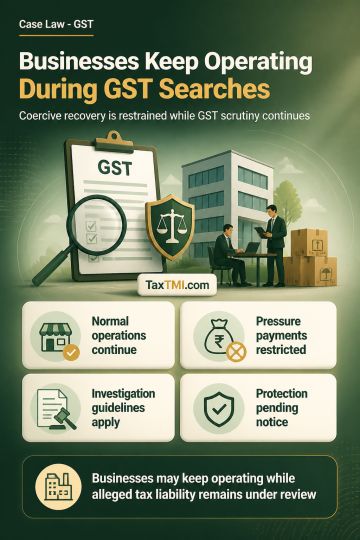
Coercive recovery during GST searches is restrained pending scrutiny, preserving normal business operations and requiring adherence to investigation g...
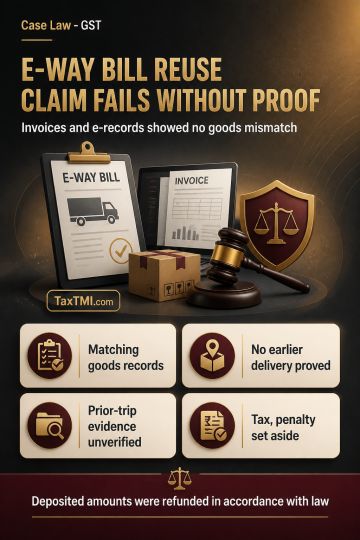
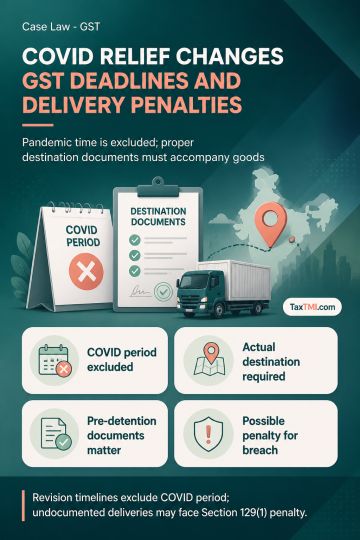
COVID-19 limitation exclusion and destination-specific e-way bills govern revisional timelines and penalties for undocumented third-party plywood deli...
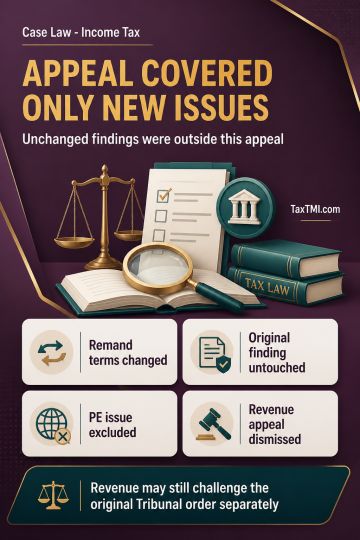
Questions arising from miscellaneous application orders cannot challenge unaltered Tribunal findings, leaving the original order separately challengea...
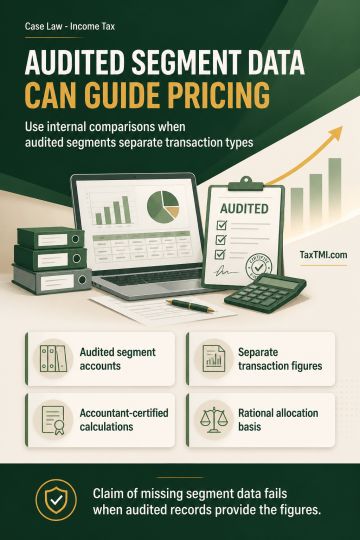
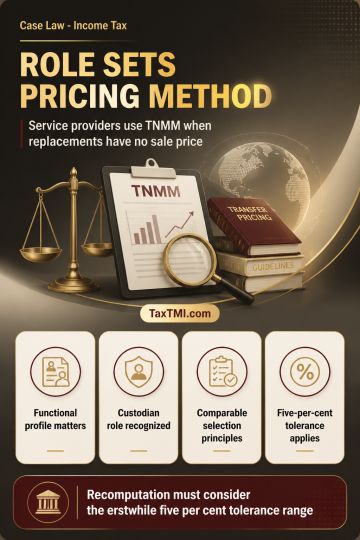
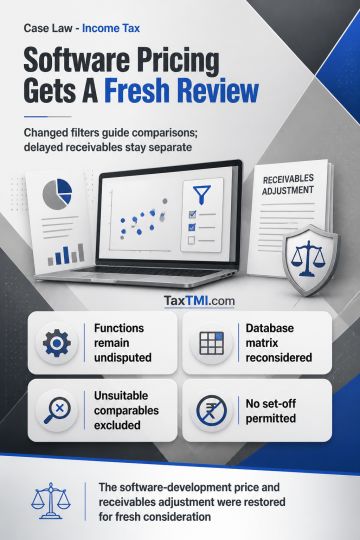
Transfer-pricing comparability filters require fresh arm's-length analysis, while delayed receivables need separate reconsideration with working-capit...
Page of 4879
Press 'Enter' after typing page number.
421 to 440 of 97567 Results
❮
❯
❯❯
0 / 200
Expand Note
Add to Folder
No Folders have been created
+
Are you sure you want to delete "My most important" ?
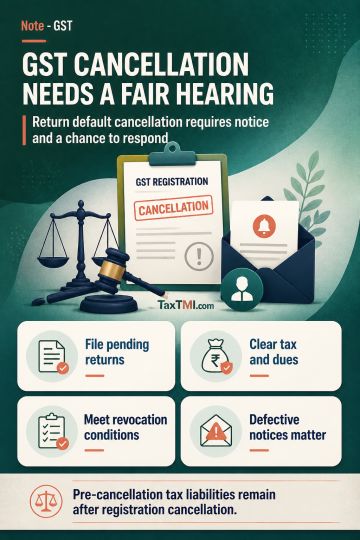
GST registration may be cancelled for continuous non-filing of returns under Section 29, but cancellation does not extinguish pre-cancellation tax liabilities. Rule 22 requires notice and an opportunity to respond; where pending returns are filed and tax, interest and late fee are fully paid before cancellation, the officer must drop proceedings. Post-cancellation revocation under Rule 23 requires compliance with prescribed filing, payment and limitation conditions, while appellate authorities cannot exceed statutory condonation limits. Defective notices, absence of reasons, denial of meaningful hearing, or unexplained retrospective cancellation may invalidate the process. Conditional restoration may be available in appropriate non-fraud cases upon full regularisation of returns, tax, interest, late fee and penalty.
GST registration may be cancelled for continuous non-filing of returns under Section 29, but cancellation does not extinguish pre-cancellation tax liabilities. Rule 22 requires notice and an opportunity to respond; where pending returns are filed and tax, interest and late fee are fully paid before cancellation, the officer must drop proceedings. Post-cancellation revocation under Rule 23 requires compliance with prescribed filing, payment and limitation conditions, while appellate authorities cannot exceed statutory condonation limits. Defective notices, absence of reasons, denial of meaningful hearing, or unexplained retrospective cancellation may invalidate the process. Conditional restoration may be available in appropriate non-fraud cases upon full regularisation of returns, tax, interest, late fee and penalty.
Note: It is a system-generated summary and is for quick reference only.
 TaxTMI
  TaxTMI
 of 4879