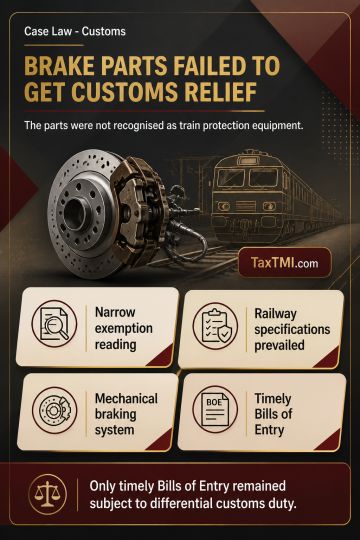
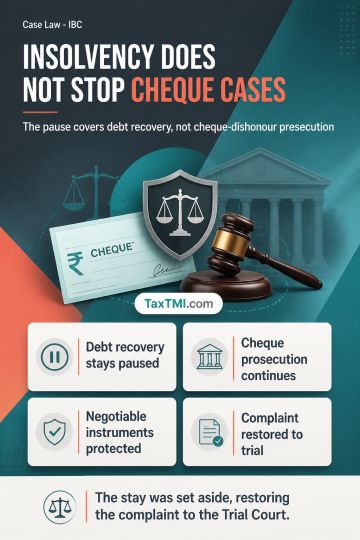
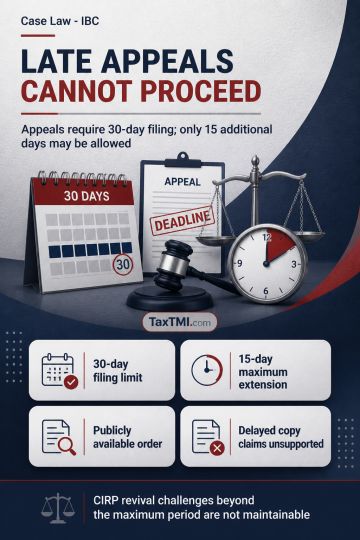
Strict construction of customs exemptions denied concession for brake components, while limitation restricted differential duty to timely Bills of Ent...
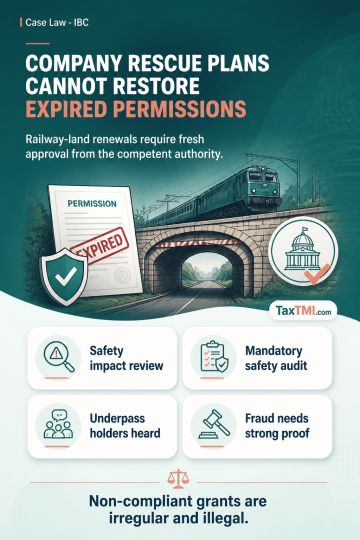
Way Leave Permissions cannot be retrospectively revived through insolvency plans, and affected infrastructure holders require safety review and hearin...
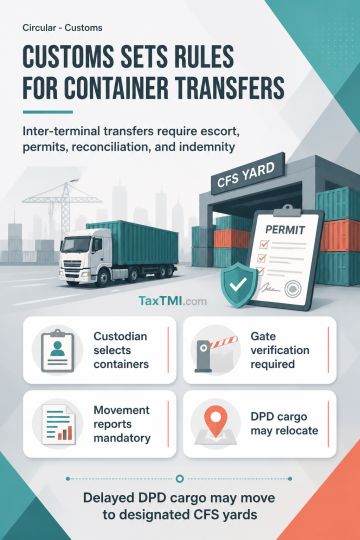
Inter-terminal container movement requires customs escort, permit reconciliation, and indemnity, while delayed DPD cargo may move to designated CFS ya...
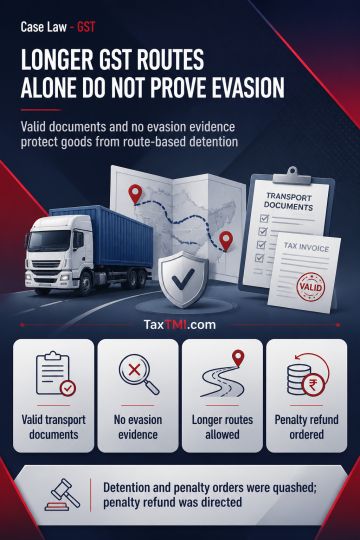
GST law does not require a transporter to declare or follow a particular route. Transporting goods by a longer route for logistical safety reasons, while carrying valid documents, does not establish mala fide intent to evade tax without material showing an intended diversion or other tax evasion. Route-based obligations under earlier VAT regimes do not apply under the GST Acts or Rules. Accordingly, detention of goods and penalty under section 129 were unsustainable solely because a longer route was used; the detention-penalty orders were quashed and refund of the penalty paid under protest was directed in accordance with law.
GST law does not require a transporter to declare or follow a particular route. Transporting goods by a longer route for logistical safety reasons, while carrying valid documents, does not establish mala fide intent to evade tax without material showing an intended diversion or other tax evasion. Route-based obligations under earlier VAT regimes do not apply under the GST Acts or Rules. Accordingly, detention of goods and penalty under section 129 were unsustainable solely because a longer route was used; the detention-penalty orders were quashed and refund of the penalty paid under protest was directed in accordance with law.
Note: It is a system-generated summary and is for quick reference only.
 TaxTMI
  TaxTMI
 of 4881