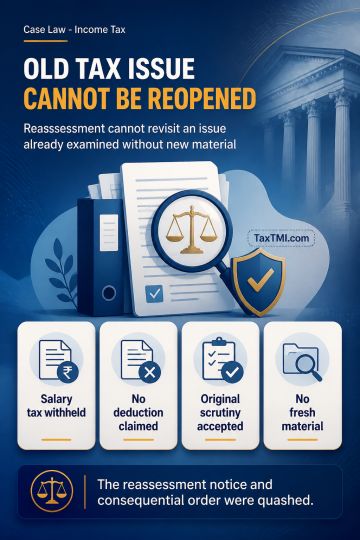
Capital-gains exemption for charitable trusts extends to qualifying fixed deposits, while unrecoverable TDS write-offs may constitute income applicati...
India-UK treaty characterisation of telecom-service receipts as business profits withstands unilateral domestic-law amendments for Indian tax purposes...
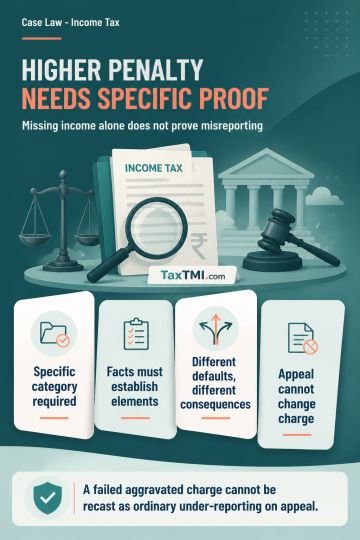
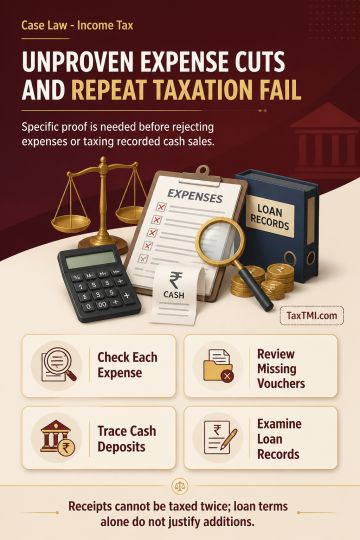
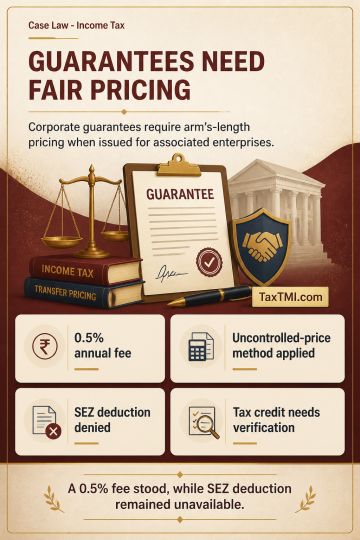
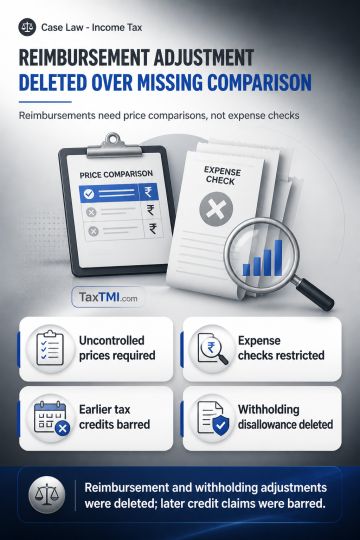
Transfer-pricing reimbursement adjustments require uncontrolled comparables and cannot become expense-genuineness reviews, resulting in deletion of th...
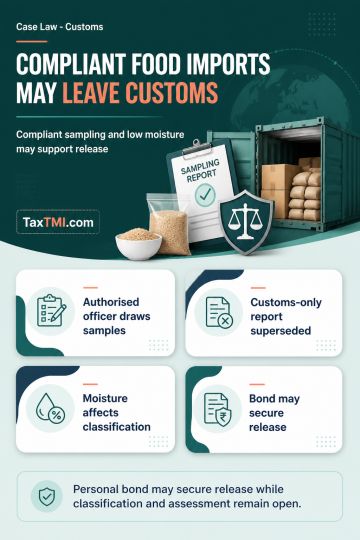
Food import sampling requirements support provisional release where unseized consignments conform to standards and raw areca classification is unestab...
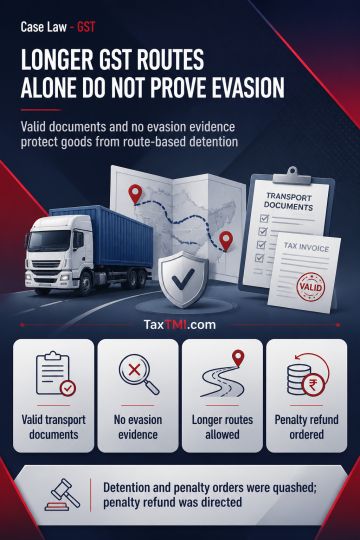
GST law does not require a transporter to declare or follow a particular route. Transporting goods by a longer route for logistical safety reasons, while carrying valid documents, does not establish mala fide intent to evade tax without material showing an intended diversion or other tax evasion. Route-based obligations under earlier VAT regimes do not apply under the GST Acts or Rules. Accordingly, detention of goods and penalty under section 129 were unsustainable solely because a longer route was used; the detention-penalty orders were quashed and refund of the penalty paid under protest was directed in accordance with law.
GST law does not require a transporter to declare or follow a particular route. Transporting goods by a longer route for logistical safety reasons, while carrying valid documents, does not establish mala fide intent to evade tax without material showing an intended diversion or other tax evasion. Route-based obligations under earlier VAT regimes do not apply under the GST Acts or Rules. Accordingly, detention of goods and penalty under section 129 were unsustainable solely because a longer route was used; the detention-penalty orders were quashed and refund of the penalty paid under protest was directed in accordance with law.
Note: It is a system-generated summary and is for quick reference only.
 TaxTMI
  TaxTMI
 of 4879