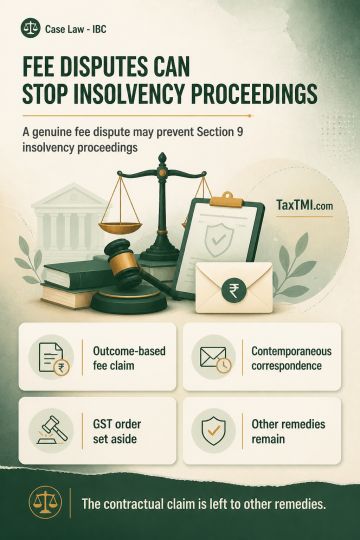
Pre-existing disputes over outcome-based professional fees can bar Section 9 insolvency proceedings where contractual entitlement requires investigati...
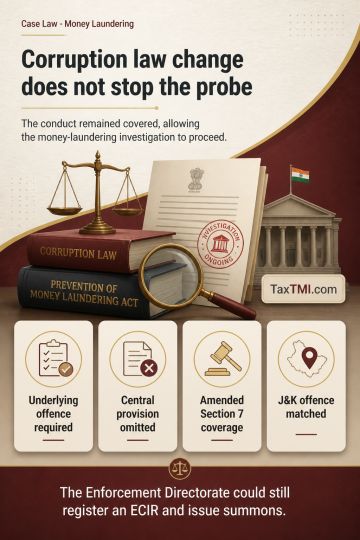
Corresponding scheduled offences preserve money-laundering jurisdiction despite repeal of the central corruption provision where conduct remains cover...
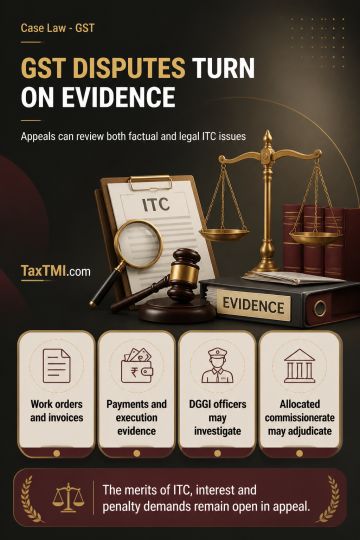
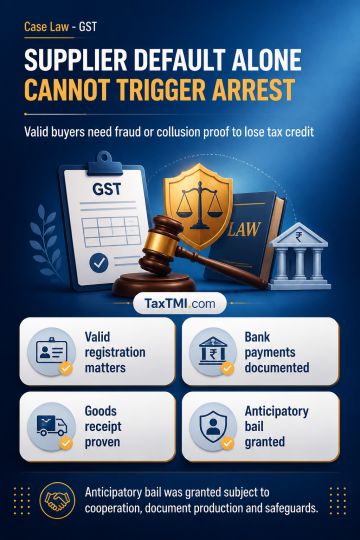
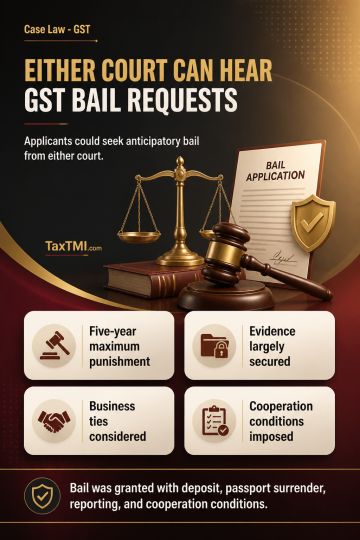
Concurrent anticipatory-bail jurisdiction permits applications before either forum, while secured evidence may negate custodial interrogation in GST e...
Page of 4881
Press 'Enter' after typing page number.
621 to 640 of 97618 Results
❮
❯
❯❯
0 / 200
Expand Note
Add to Folder
No Folders have been created
+
Are you sure you want to delete "My most important" ?
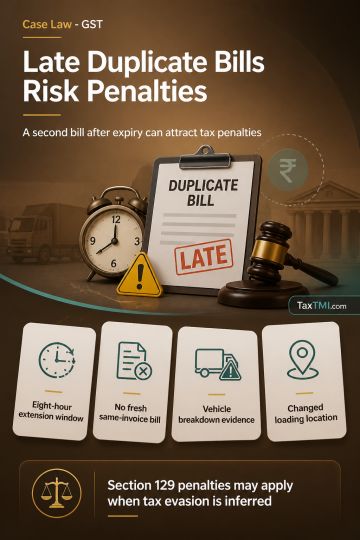
Rule 138 permits extension of an e-way bill only within eight hours after expiry and does not authorise a fresh e-way bill on the same invoice. A second bill generated after expiry may be treated as fraudulent where the claimed vehicle breakdown, repair, and subsequent goods movement lack reliable evidence. Unexplained delay, a different loading location, and modification of invoice details to generate another bill are indicators supporting an inference of intent to evade tax on a preponderance of probabilities. Such transportation may attract penalty under section 129.
Rule 138 permits extension of an e-way bill only within eight hours after expiry and does not authorise a fresh e-way bill on the same invoice. A second bill generated after expiry may be treated as fraudulent where the claimed vehicle breakdown, repair, and subsequent goods movement lack reliable evidence. Unexplained delay, a different loading location, and modification of invoice details to generate another bill are indicators supporting an inference of intent to evade tax on a preponderance of probabilities. Such transportation may attract penalty under section 129.
Note: It is a system-generated summary and is for quick reference only.
 TaxTMI
  TaxTMI
 of 4881