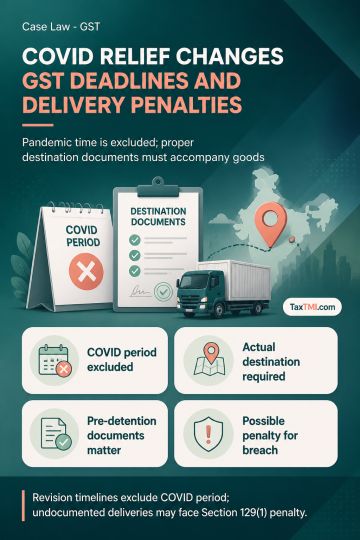
COVID-19 limitation exclusion and destination-specific e-way bills govern revisional timelines and penalties for undocumented third-party plywood deli...
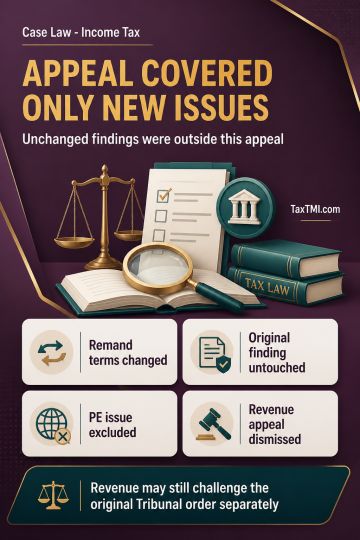
Questions arising from miscellaneous application orders cannot challenge unaltered Tribunal findings, leaving the original order separately challengea...
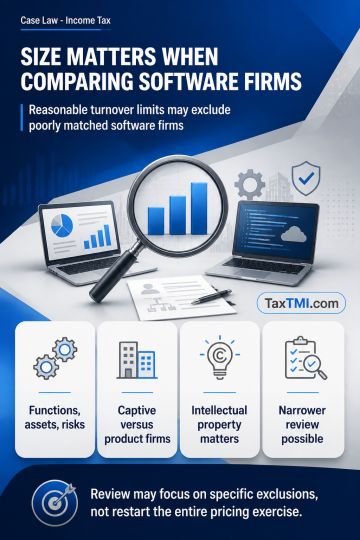
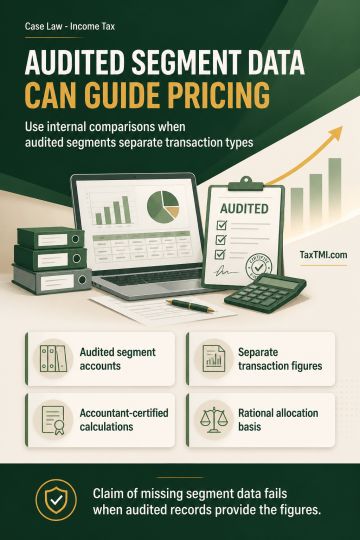
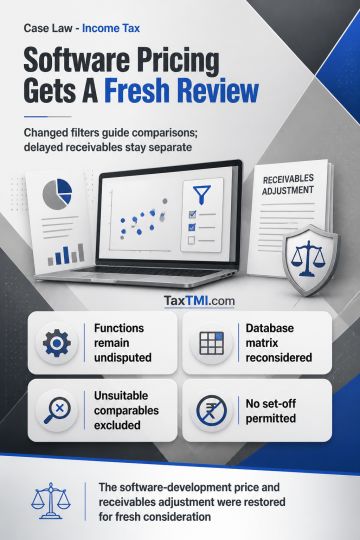
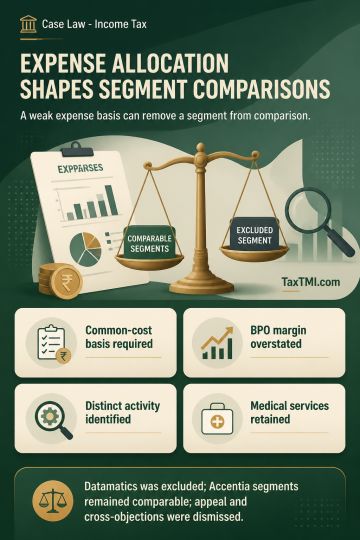
Transfer-pricing comparability filters require fresh arm's-length analysis, while delayed receivables need separate reconsideration with working-capit...
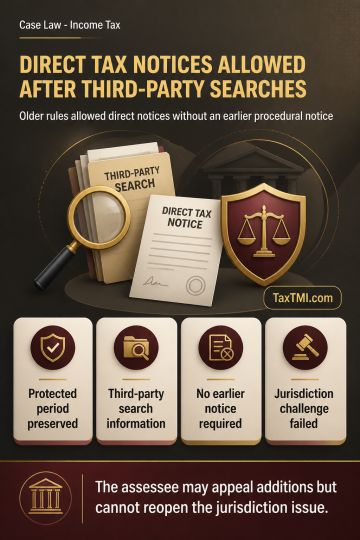
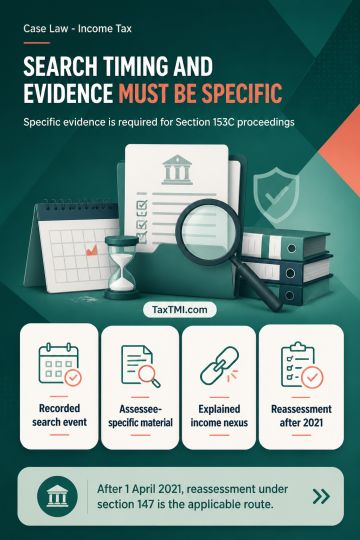
Section 153C jurisdiction requires timely deemed search and assessee-specific satisfaction material; otherwise reassessment must use the proper statut...
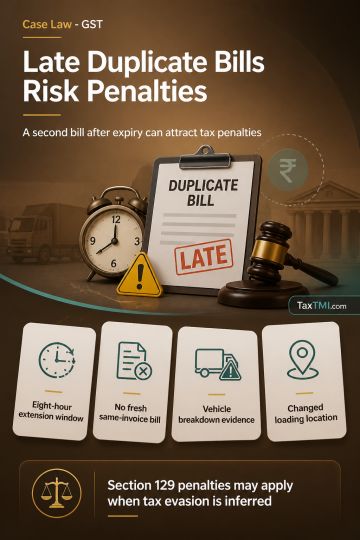
Rule 138 permits extension of an e-way bill only within eight hours after expiry and does not authorise a fresh e-way bill on the same invoice. A second bill generated after expiry may be treated as fraudulent where the claimed vehicle breakdown, repair, and subsequent goods movement lack reliable evidence. Unexplained delay, a different loading location, and modification of invoice details to generate another bill are indicators supporting an inference of intent to evade tax on a preponderance of probabilities. Such transportation may attract penalty under section 129.
Rule 138 permits extension of an e-way bill only within eight hours after expiry and does not authorise a fresh e-way bill on the same invoice. A second bill generated after expiry may be treated as fraudulent where the claimed vehicle breakdown, repair, and subsequent goods movement lack reliable evidence. Unexplained delay, a different loading location, and modification of invoice details to generate another bill are indicators supporting an inference of intent to evade tax on a preponderance of probabilities. Such transportation may attract penalty under section 129.
Note: It is a system-generated summary and is for quick reference only.
 TaxTMI
  TaxTMI
 of 4881