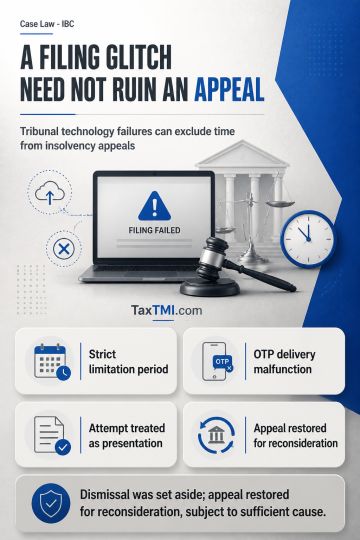
E-filing system failure permits exclusion of affected time in insolvency appeals, preventing tribunal technology defects from defeating timely filings...
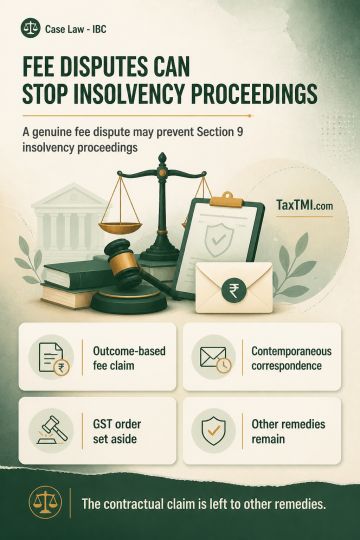
Pre-existing disputes over outcome-based professional fees can bar Section 9 insolvency proceedings where contractual entitlement requires investigati...
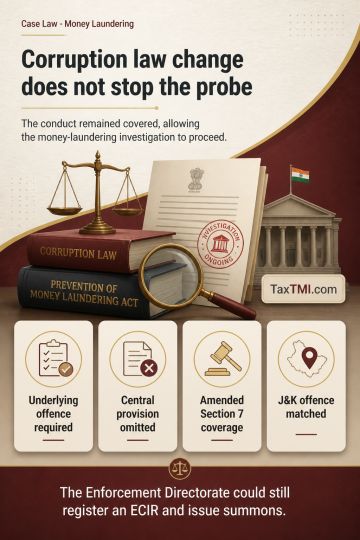
Corresponding scheduled offences preserve money-laundering jurisdiction despite repeal of the central corruption provision where conduct remains cover...
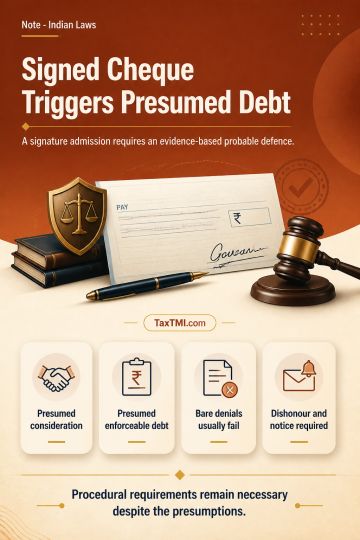
Admission of a cheque signature activates the presumptions of consideration and legally enforceable debt or liability under Sections 118(a) and 139 of the Negotiable Instruments Act. The drawer then bears an evidentiary burden to raise a probable, evidence-based defence on the preponderance of probabilities; bare denials, unsupported claims of misuse, or a blank-cheque plea ordinarily do not rebut the presumptions. Financial capacity of the complainant becomes material only after a credible and specific challenge. These presumptions do not remove the requirement to establish the procedural ingredients of Section 138, including dishonour, timely demand notice, non-payment, and timely complaint.
Admission of a cheque signature activates the presumptions of consideration and legally enforceable debt or liability under Sections 118(a) and 139 of the Negotiable Instruments Act. The drawer then bears an evidentiary burden to raise a probable, evidence-based defence on the preponderance of probabilities; bare denials, unsupported claims of misuse, or a blank-cheque plea ordinarily do not rebut the presumptions. Financial capacity of the complainant becomes material only after a credible and specific challenge. These presumptions do not remove the requirement to establish the procedural ingredients of Section 138, including dishonour, timely demand notice, non-payment, and timely complaint.
Note: It is a system-generated summary and is for quick reference only.
 TaxTMI
  TaxTMI
 of 4891