Business expenditure and depreciation rules allow operational outgoings while limiting disallowances for personal elements and unsupported third-party...
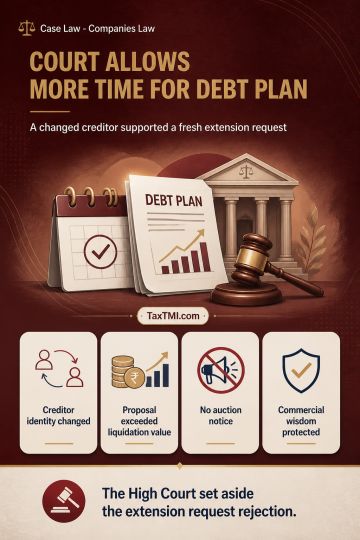
Compromise-and-arrangement extensions may accommodate debt assignment where creditor commercial judgment supports value maximisation and avoids proced...
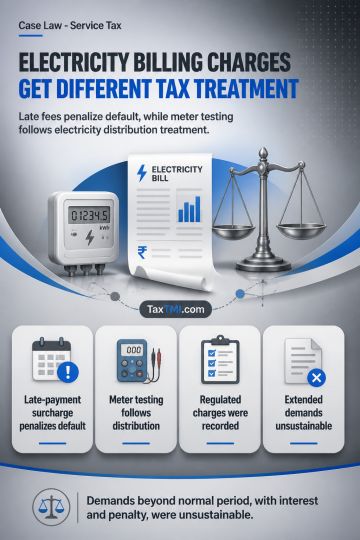
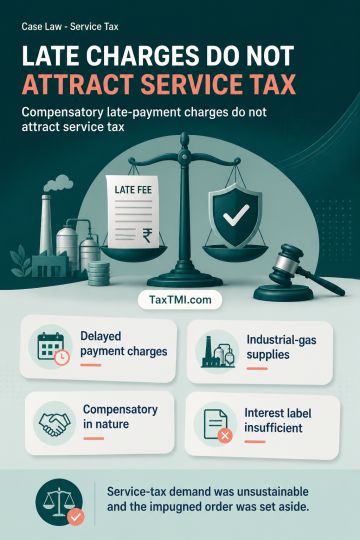
Delayed-payment surcharge is not taxable tolerance consideration where it penalises default, while meter testing follows electricity distribution trea...
Sufficient cause for delayed revenue income-tax appeals requires bona fides, due diligence and a credible explanation; otherwise limitation bars appea...
Inverted-duty-structure refunds remain available for unchanged-rate apparel supplies despite trader status and require tax-period-specific computation...
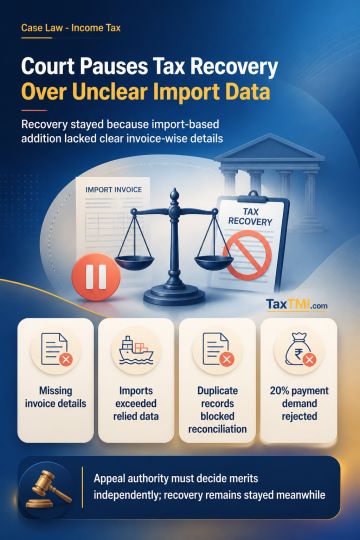
Natural justice was prima facie breached where an unexplained-expenditure addition based on import data was made without meaningful invoice-wise or bill-of-entry-wise particulars. Recorded imports supplied by the assessee exceeded the aggregate data relied on, and apparent duplication in departmental data prevented reconciliation. The High Court treated the addition as raising strong triable issues and stayed recovery pending first appeal, while requiring the appellate authority to decide independently on merits. Administrative directions concerning deposit of a prescribed demand percentage did not fetter the Court's stay power; Revenue's insistence on a 20% payment was rejected. The assessment observations remained confined to the prima facie stay determination.
Natural justice was prima facie breached where an unexplained-expenditure addition based on import data was made without meaningful invoice-wise or bill-of-entry-wise particulars. Recorded imports supplied by the assessee exceeded the aggregate data relied on, and apparent duplication in departmental data prevented reconciliation. The High Court treated the addition as raising strong triable issues and stayed recovery pending first appeal, while requiring the appellate authority to decide independently on merits. Administrative directions concerning deposit of a prescribed demand percentage did not fetter the Court's stay power; Revenue's insistence on a 20% payment was rejected. The assessment observations remained confined to the prima facie stay determination.
Note: It is a system-generated summary and is for quick reference only.
 TaxTMI
  TaxTMI
 of 4888