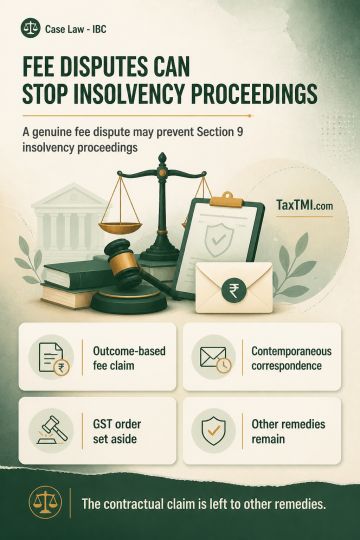
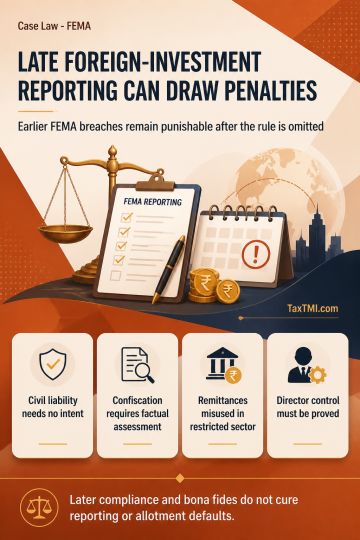
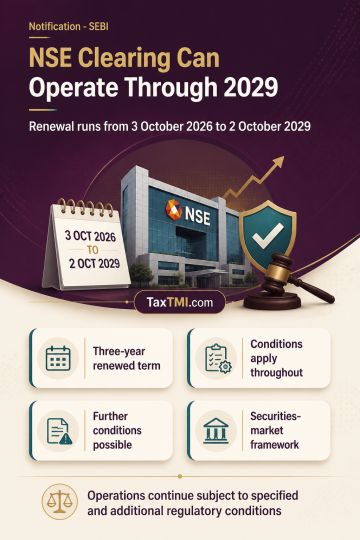
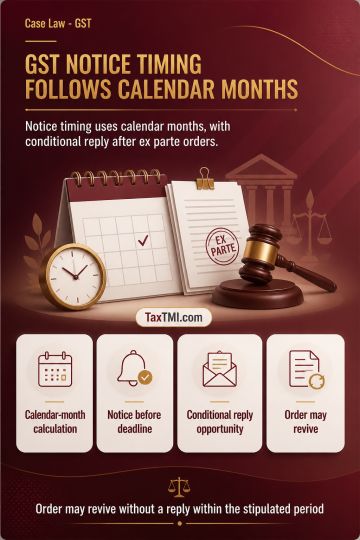
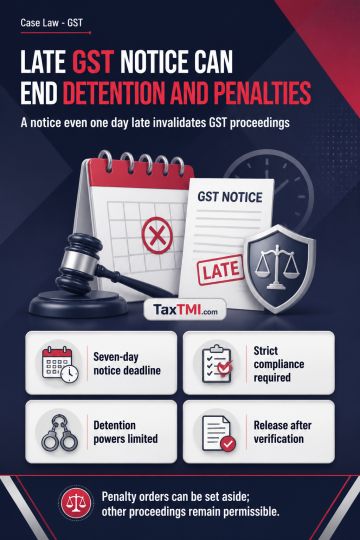
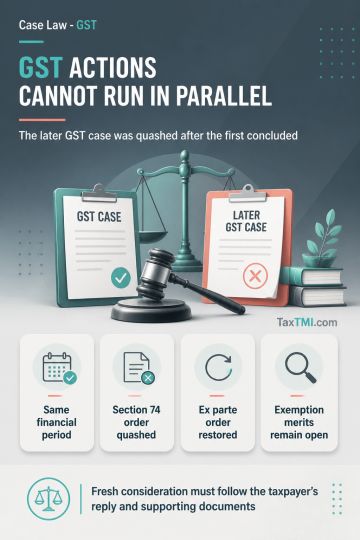
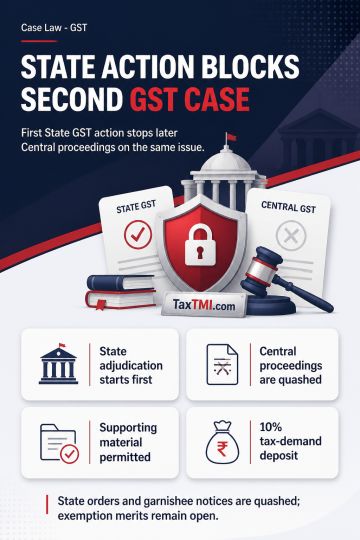
Pre-existing disputes over outcome-based professional fees can bar Section 9 insolvency proceedings where contractual entitlement requires investigati...
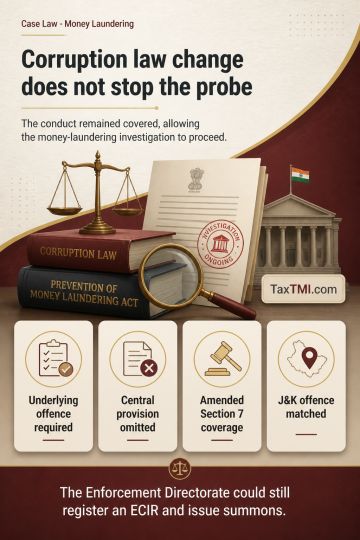
Corresponding scheduled offences preserve money-laundering jurisdiction despite repeal of the central corruption provision where conduct remains cover...
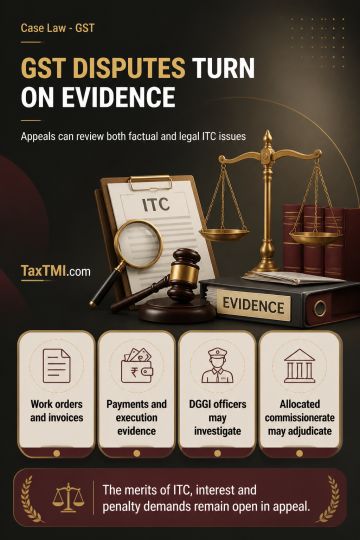
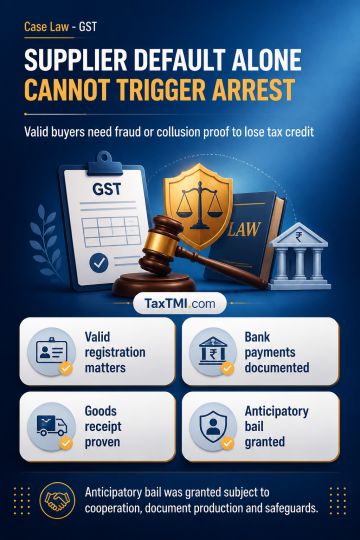
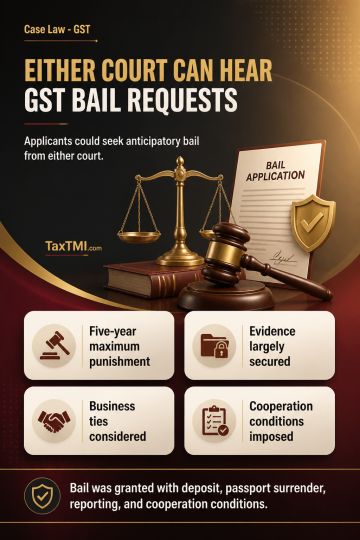
Concurrent anticipatory-bail jurisdiction permits applications before either forum, while secured evidence may negate custodial interrogation in GST e...
Page of 4881
Press 'Enter' after typing page number.
621 to 640 of 97618 Results
❮
❯
❯❯
0 / 200
Expand Note
Add to Folder
No Folders have been created
+
Are you sure you want to delete "My most important" ?
Section 115BBE applies only where income is validly assessable...
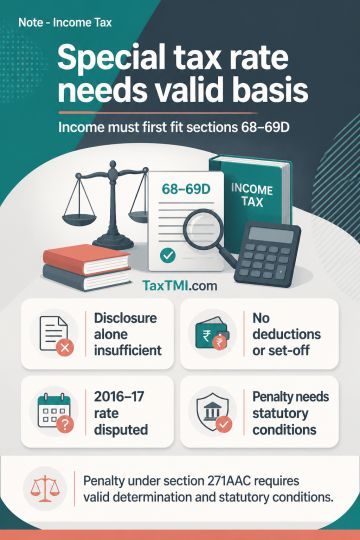
Section 115BBE classification requires a valid deeming-provision basis before special taxation, while the enhanced rate's temporal application remains disputed.
Contents
Summary
Note
Bookmark
Share
✓ Copied successfully !
Print
Print Options
For full text, please login
Login to TaxTMI
Verification Pending
The Email Id has not been verified. Click on the link we have sent on
Section 115BBE applies only where income is validly assessable under sections 68 to 69D; a disclosure, surrender, cash deposit or addition alone does not establish that prerequisite. Qualifying income is subject to the special rate and cannot be reduced by expenditure, allowances or loss set-off. The 2016 substitution raising the principal rate from 30% to 60% expressly operates from 1 April 2017. Under the prospective approach, financial year 2016-17 remains taxable at 30%, while a contrary approach applies the revised rate to assessments for the following assessment year. Classification under a deeming provision must therefore precede rate application. Penalty under section 271AAC depends on a valid section 115BBE determination and satisfaction of its statutory conditions.
Section 115BBE applies only where income is validly assessable under sections 68 to 69D; a disclosure, surrender, cash deposit or addition alone does not establish that prerequisite. Qualifying income is subject to the special rate and cannot be reduced by expenditure, allowances or loss set-off. The 2016 substitution raising the principal rate from 30% to 60% expressly operates from 1 April 2017. Under the prospective approach, financial year 2016-17 remains taxable at 30%, while a contrary approach applies the revised rate to assessments for the following assessment year. Classification under a deeming provision must therefore precede rate application. Penalty under section 271AAC depends on a valid section 115BBE determination and satisfaction of its statutory conditions.
Note: It is a system-generated summary and is for quick reference only.
 TaxTMI
  TaxTMI
 of 4881