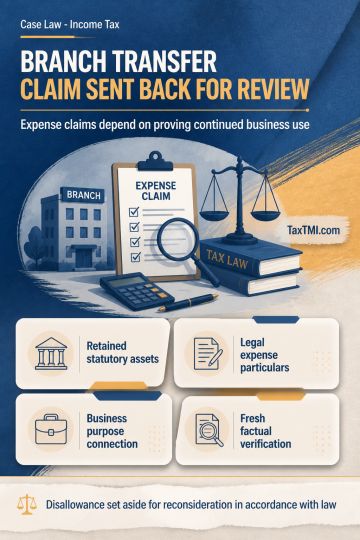
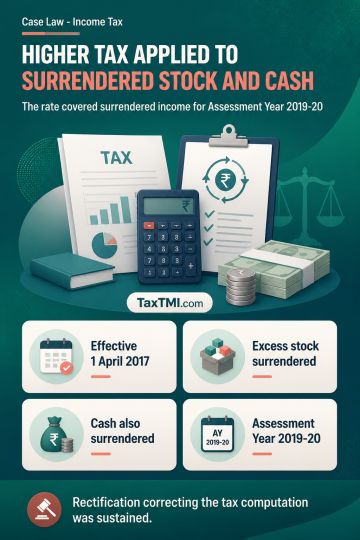
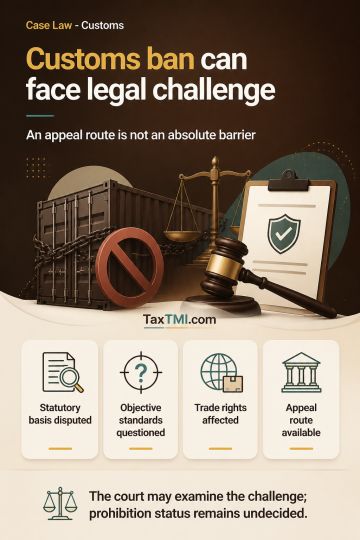
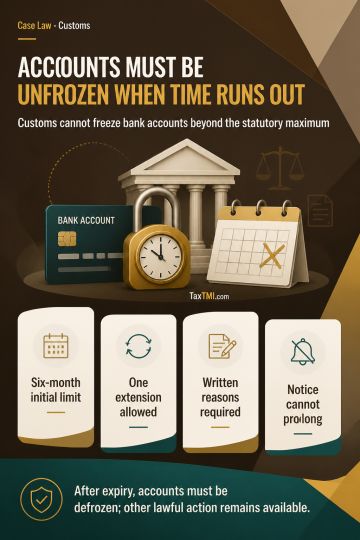
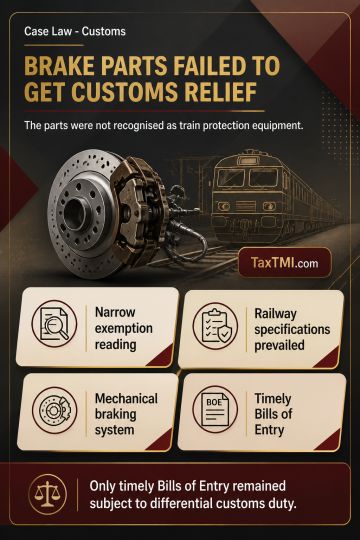
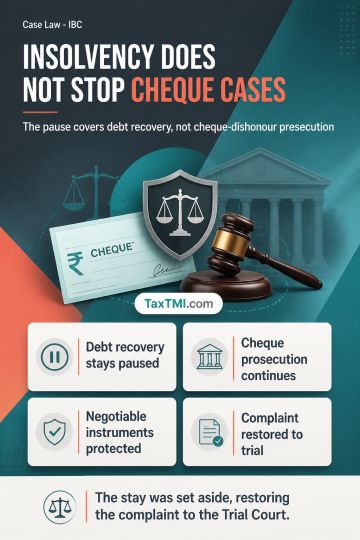
Strict construction of customs exemptions denied concession for brake components, while limitation restricted differential duty to timely Bills of Ent...
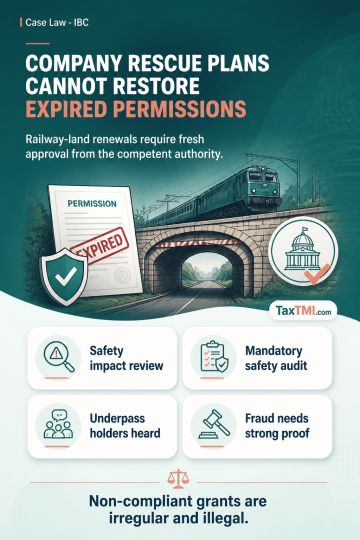
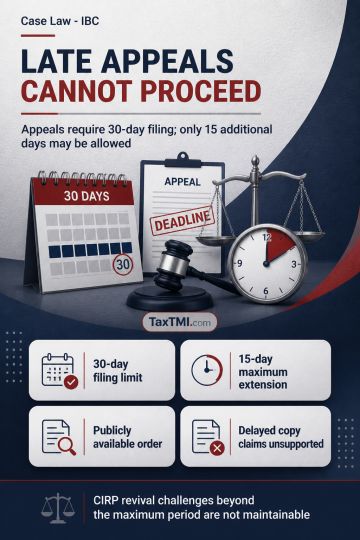
Way Leave Permissions cannot be retrospectively revived through insolvency plans, and affected infrastructure holders require safety review and hearin...
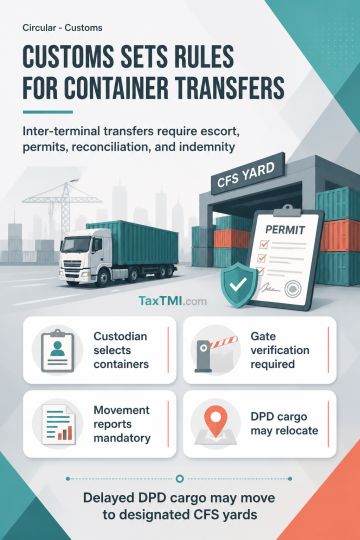
Inter-terminal container movement requires customs escort, permit reconciliation, and indemnity, while delayed DPD cargo may move to designated CFS ya...
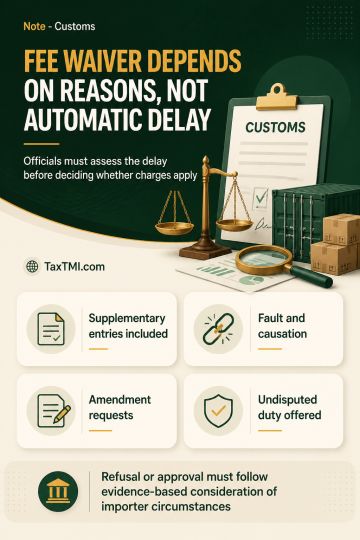
Late-presentation charges for a Bill of Entry arise only where the proper officer, after assessing the reasons for delay, is satisfied that no sufficient cause exists. Regulation 4(3) prescribes the charging framework and permits waiver where the reasons are satisfactory; automated calculation cannot replace this statutory assessment. For supplementary Bills of Entry covering excess cargo subsequently identified as part of a timely declared consignment, waiver depends on causation, importer fault, bona fide and prompt corrective action, amendment requests, and willingness to discharge undisputed duty. A legally sustainable refusal or grant of waiver requires a reasoned evaluation of evidence rather than mechanical reliance on delayed filing.
Late-presentation charges for a Bill of Entry arise only where the proper officer, after assessing the reasons for delay, is satisfied that no sufficient cause exists. Regulation 4(3) prescribes the charging framework and permits waiver where the reasons are satisfactory; automated calculation cannot replace this statutory assessment. For supplementary Bills of Entry covering excess cargo subsequently identified as part of a timely declared consignment, waiver depends on causation, importer fault, bona fide and prompt corrective action, amendment requests, and willingness to discharge undisputed duty. A legally sustainable refusal or grant of waiver requires a reasoned evaluation of evidence rather than mechanical reliance on delayed filing.
Note: It is a system-generated summary and is for quick reference only.
 TaxTMI
  TaxTMI
 of 4881