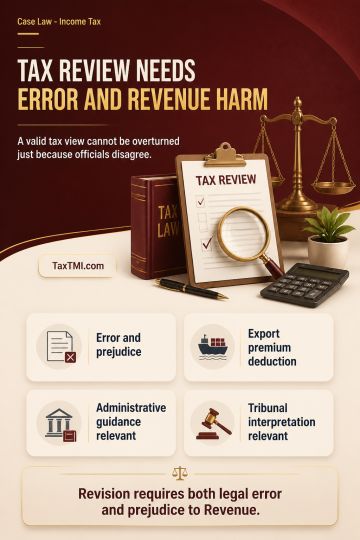
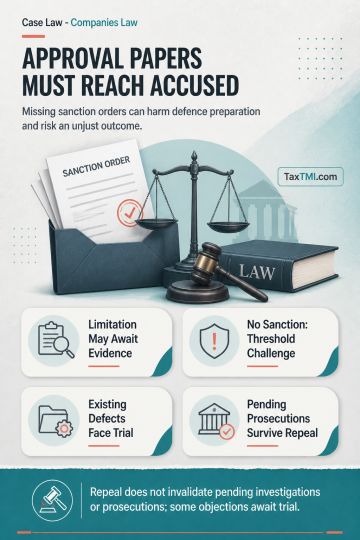
Revisional jurisdiction over export quota premium deductions requires both error and Revenue prejudice; a permissible assessment view cannot be displa...
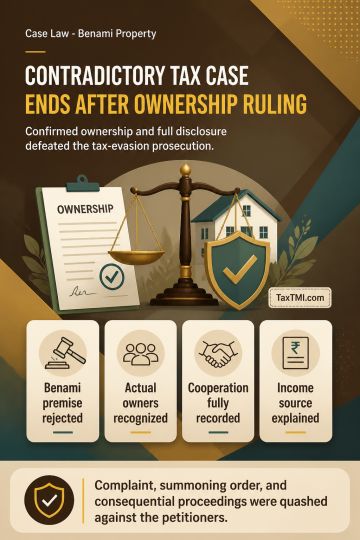
Final benami adjudication bars contradictory tax-evasion prosecution where settlement findings confirm full disclosure and cooperation without conceal...
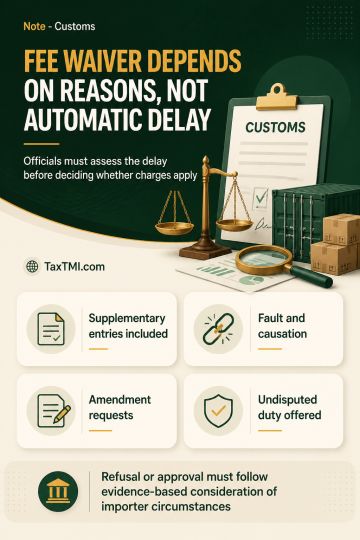
Late-presentation charges for a Bill of Entry arise only where the proper officer, after assessing the reasons for delay, is satisfied that no sufficient cause exists. Regulation 4(3) prescribes the charging framework and permits waiver where the reasons are satisfactory; automated calculation cannot replace this statutory assessment. For supplementary Bills of Entry covering excess cargo subsequently identified as part of a timely declared consignment, waiver depends on causation, importer fault, bona fide and prompt corrective action, amendment requests, and willingness to discharge undisputed duty. A legally sustainable refusal or grant of waiver requires a reasoned evaluation of evidence rather than mechanical reliance on delayed filing.
Late-presentation charges for a Bill of Entry arise only where the proper officer, after assessing the reasons for delay, is satisfied that no sufficient cause exists. Regulation 4(3) prescribes the charging framework and permits waiver where the reasons are satisfactory; automated calculation cannot replace this statutory assessment. For supplementary Bills of Entry covering excess cargo subsequently identified as part of a timely declared consignment, waiver depends on causation, importer fault, bona fide and prompt corrective action, amendment requests, and willingness to discharge undisputed duty. A legally sustainable refusal or grant of waiver requires a reasoned evaluation of evidence rather than mechanical reliance on delayed filing.
Note: It is a system-generated summary and is for quick reference only.
 TaxTMI
  TaxTMI
 of 4879