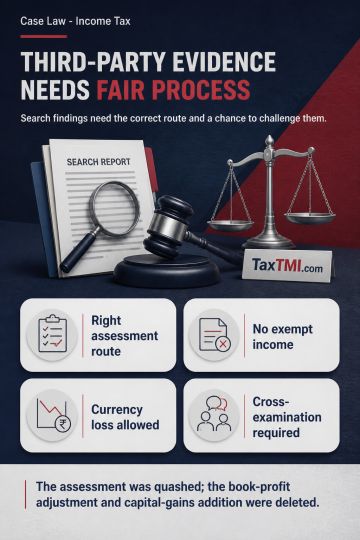
Income-tax prosecution fails when appellate remand removes its factual foundation; directors require company arraignment for vicarious criminal liabil...
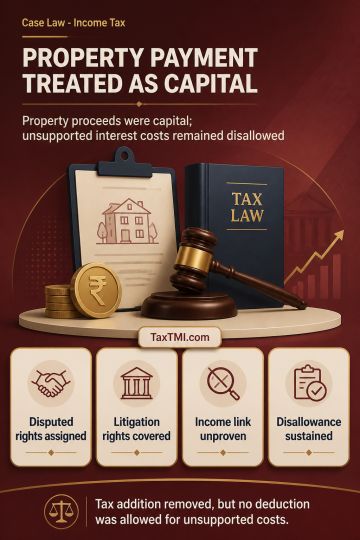
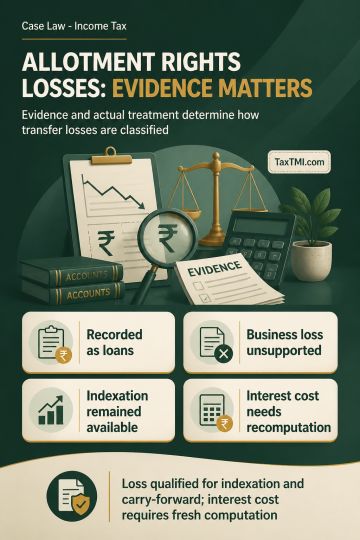
Capital character of assignment consideration prevents taxation as residuary income, while unsupported interest-related expenditure remains non-deduct...
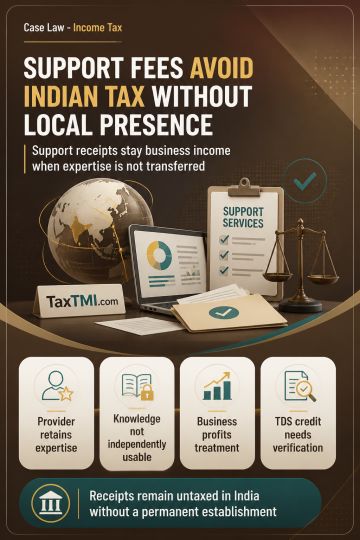
Make-available condition shields regional support-service receipts from Indian taxation where no independent capability or permanent establishment exi...
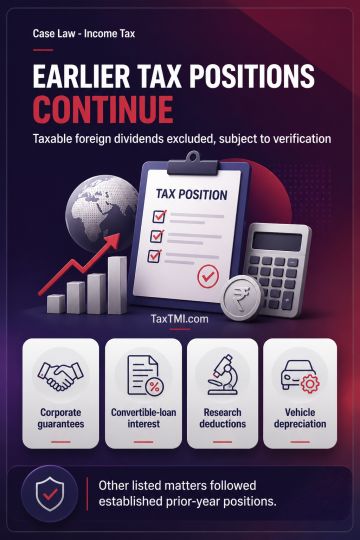
Transfer-pricing treatment of corporate guarantees and convertible loans followed prior-year consistency, with taxable foreign dividends excluded from...
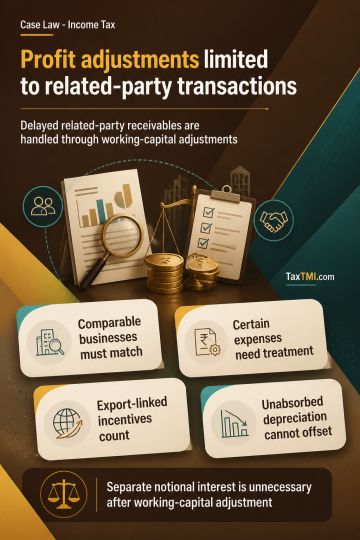
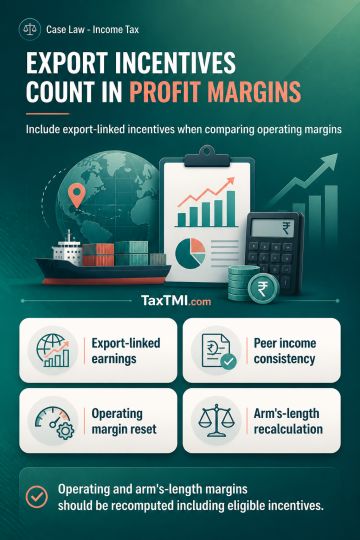
Transfer-pricing benchmarking confines adjustments to associated-enterprise transactions and integrates delayed receivables through TNMM working-capit...
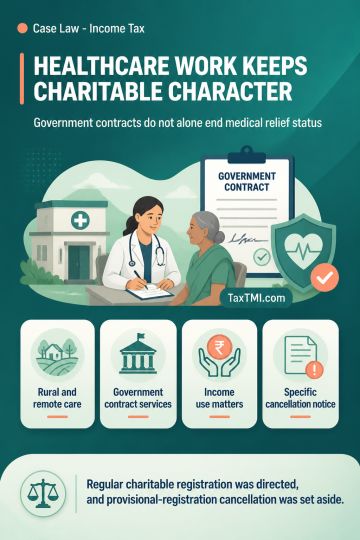
Medical relief status protects government-contracted mobile healthcare from commercial classification, while provisional registration cancellation req...
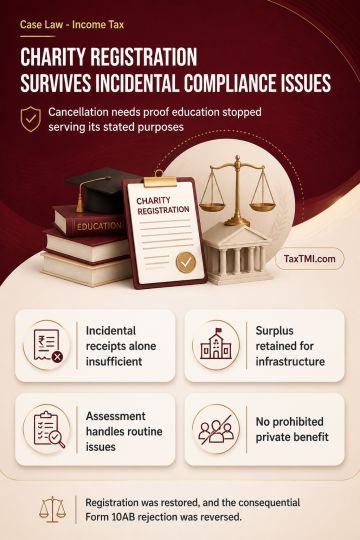
Charitable registration cancellation requires proof that educational activities abandoned their objects; incidental receipts and retained surplus are ...
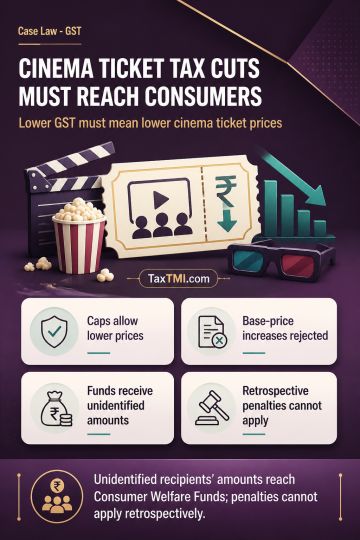
GST rate reductions on cinema admission tickets must be passed to consumers through a commensurate price reduction, even where State rules prescribe maximum ticket prices. A maximum-price cap does not prevent lower pricing. Retaining cum-tax ticket prices while increasing the base price, without cogent justification and without challenging the computation, constituted failure to pass on the tax benefit; cost and market factors were immaterial. Where ticket recipients cannot be identified, the profiteered amount, with interest, is payable in equal shares to the Central and State Consumer Welfare Funds. An anti-profiteering penalty cannot be imposed retrospectively where the penalty provision entered into force after the investigated period.
GST rate reductions on cinema admission tickets must be passed to consumers through a commensurate price reduction, even where State rules prescribe maximum ticket prices. A maximum-price cap does not prevent lower pricing. Retaining cum-tax ticket prices while increasing the base price, without cogent justification and without challenging the computation, constituted failure to pass on the tax benefit; cost and market factors were immaterial. Where ticket recipients cannot be identified, the profiteered amount, with interest, is payable in equal shares to the Central and State Consumer Welfare Funds. An anti-profiteering penalty cannot be imposed retrospectively where the penalty provision entered into force after the investigated period.
Note: It is a system-generated summary and is for quick reference only.
 TaxTMI
  TaxTMI
 of 4884