Infrastructure-development deduction remains available to EPC contractors when substantive statutory conditions outweigh contractor labels in agreemen...
Explained Investment Sources: documented gifts and traceable salary savings supported deletion of additions for property and mutual-fund SIP investmen...
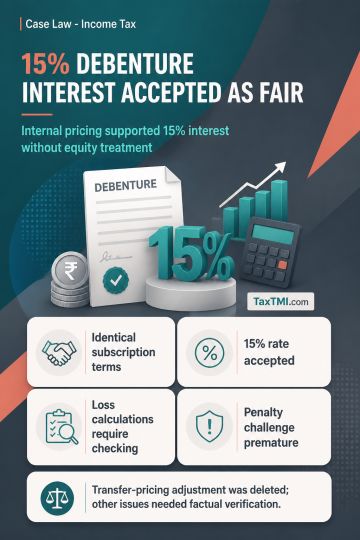
Internal comparable pricing supports arm's-length interest on compulsorily convertible debentures, preventing their recharacterisation as equity for t...
Nominee director protection shields independent financial-institution appointees from criminal liability where they lack involvement in deposit defaul...
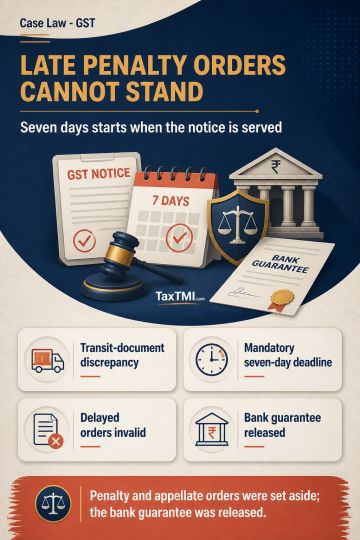
Section 129(3) of the CGST/KGST Act imposes a mandatory seven-day period, measured from service of notice, for issuing a detention-penalty order concerning a transit-document discrepancy. The term "shall" requires strict compliance because the provision authorises coercive detention and seizure; the absence of an express consequence for delay does not make the limit directory. An order passed after the prescribed period is illegal and without jurisdiction, with consequential setting aside of the penalty and appellate orders and release of the bank guarantee.
Section 129(3) of the CGST/KGST Act imposes a mandatory seven-day period, measured from service of notice, for issuing a detention-penalty order concerning a transit-document discrepancy. The term "shall" requires strict compliance because the provision authorises coercive detention and seizure; the absence of an express consequence for delay does not make the limit directory. An order passed after the prescribed period is illegal and without jurisdiction, with consequential setting aside of the penalty and appellate orders and release of the bank guarantee.
Note: It is a system-generated summary and is for quick reference only.
 TaxTMI
  TaxTMI
 of 4881