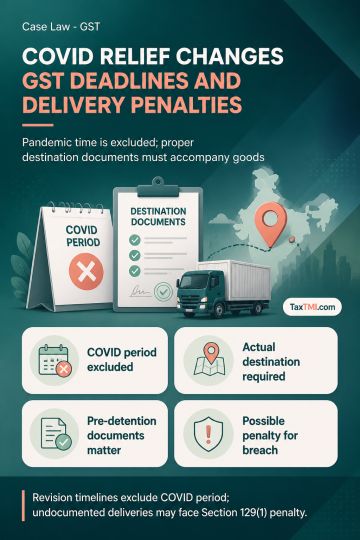
COVID-19 limitation exclusion and destination-specific e-way bills govern revisional timelines and penalties for undocumented third-party plywood deli...
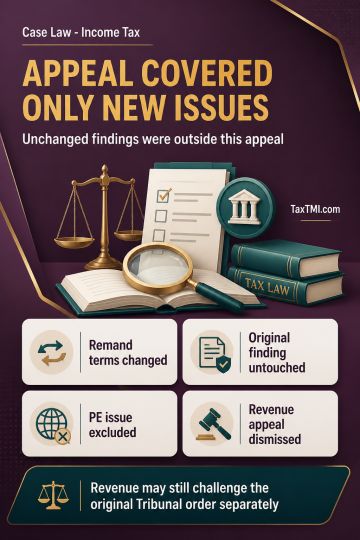
Questions arising from miscellaneous application orders cannot challenge unaltered Tribunal findings, leaving the original order separately challengea...
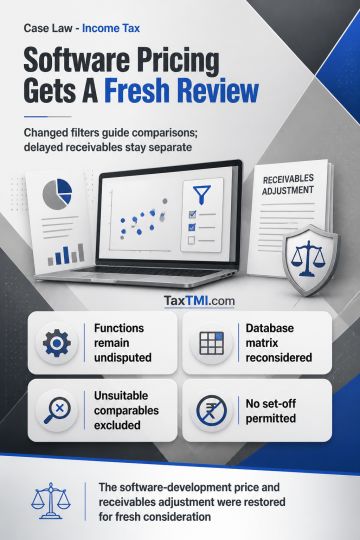
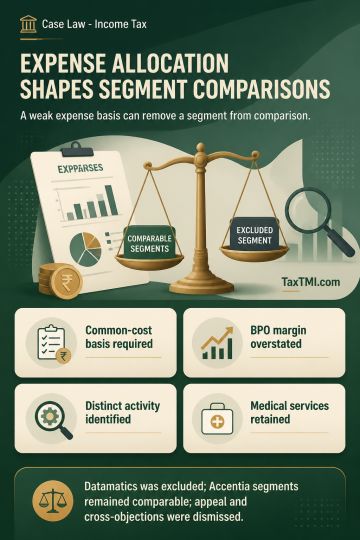
Transfer-pricing comparability filters require fresh arm's-length analysis, while delayed receivables need separate reconsideration with working-capit...
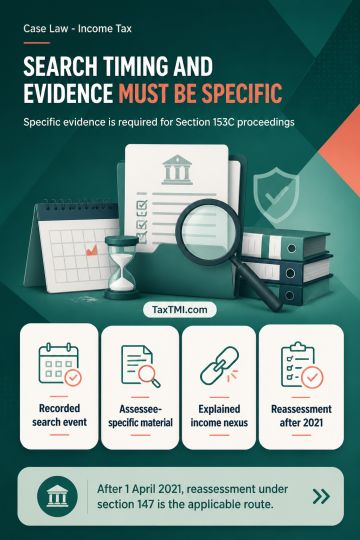
Section 153C jurisdiction requires timely deemed search and assessee-specific satisfaction material; otherwise reassessment must use the proper statut...
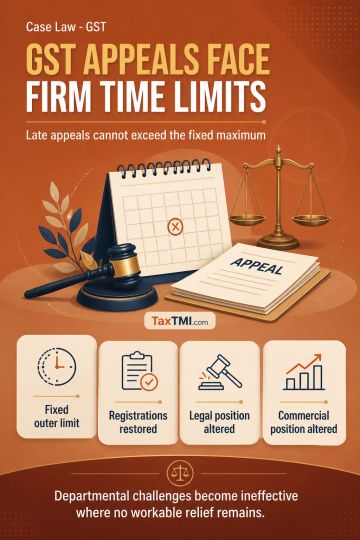
Section 107(4) of the GST law fixes an outer limit on an appellate authority's power to condone delay in appeals against cancellation of registration. Extraordinary writ jurisdiction cannot enlarge that statutory appellate jurisdiction; condonation beyond the prescribed maximum is legally unsustainable. Where the Department has implemented appellate directions by restoring cancelled GST registrations, it cannot seek annulment without addressing the resulting alteration of the taxpayers' legal and commercial position. The departmental appeals consequently become infructuous where no effective or workable relief remains available.
Section 107(4) of the GST law fixes an outer limit on an appellate authority's power to condone delay in appeals against cancellation of registration. Extraordinary writ jurisdiction cannot enlarge that statutory appellate jurisdiction; condonation beyond the prescribed maximum is legally unsustainable. Where the Department has implemented appellate directions by restoring cancelled GST registrations, it cannot seek annulment without addressing the resulting alteration of the taxpayers' legal and commercial position. The departmental appeals consequently become infructuous where no effective or workable relief remains available.
Note: It is a system-generated summary and is for quick reference only.
 TaxTMI
  TaxTMI
 of 4881