Pre-existing disputes over outcome-based professional fees can bar Section 9 insolvency proceedings where contractual entitlement requires investigati...
Corresponding scheduled offences preserve money-laundering jurisdiction despite repeal of the central corruption provision where conduct remains cover...
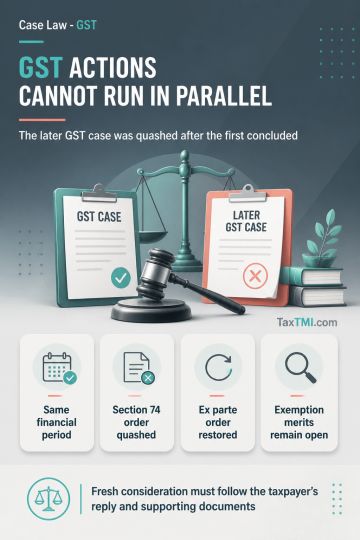
Concurrent anticipatory-bail jurisdiction permits applications before either forum, while secured evidence may negate custodial interrogation in GST e...
Page of 4881
Press 'Enter' after typing page number.
621 to 640 of 97618 Results
❮
❯
❯❯
0 / 200
Expand Note
Add to Folder
No Folders have been created
+
Are you sure you want to delete "My most important" ?
Fraudulent removal and replacement of financed, hypothecated machinery with lower-value machinery can establish fraudulent trading through cumulative documentary and circumstantial evidence. Financing records, invoices, hypothecation, independent valuations, physical indications of removal, lack of creditor consent, and an unsupported explanation for substituted machinery supported the inference of fraudulent intent. A technical dispute over the machinery's identity did not remove the Adjudicating Authority's jurisdiction. The Appellate Tribunal upheld fraudulent trading under the Code and affirmed the contribution direction, finding no basis to treat the quantified depletion of the corporate debtor's assets as arbitrary; depreciation and realisable-value arguments did not displace that finding.
Fraudulent removal and replacement of financed, hypothecated machinery with lower-value machinery can establish fraudulent trading through cumulative documentary and circumstantial evidence. Financing records, invoices, hypothecation, independent valuations, physical indications of removal, lack of creditor consent, and an unsupported explanation for substituted machinery supported the inference of fraudulent intent. A technical dispute over the machinery's identity did not remove the Adjudicating Authority's jurisdiction. The Appellate Tribunal upheld fraudulent trading under the Code and affirmed the contribution direction, finding no basis to treat the quantified depletion of the corporate debtor's assets as arbitrary; depreciation and realisable-value arguments did not displace that finding.
Note: It is a system-generated summary and is for quick reference only.
 TaxTMI
  TaxTMI
 of 4881