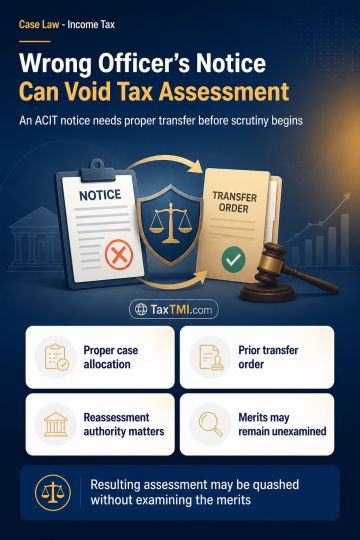
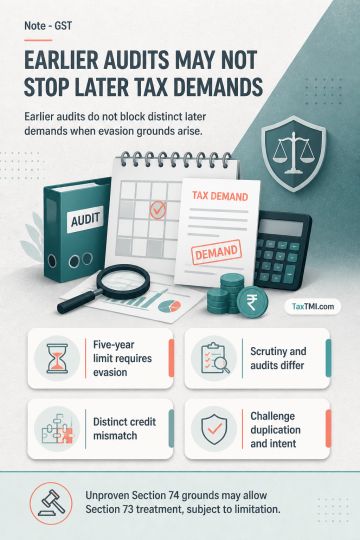
Transfer-pricing aggregation of distinct support-service and subcontract transactions was rejected, while debt-free receivables attracted no notional ...
Customs exemptions cover photovoltaic assembly machinery and PVF backsheets, while fully declared cleared imports may avoid confiscation and penalties...
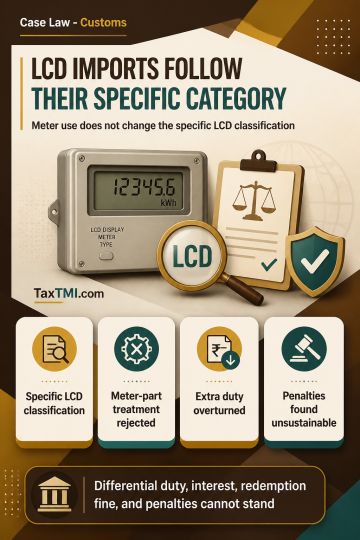
Specific tariff classification for LCD devices overrides treatment as electricity-meter parts, defeating differential duty, extended limitation, and p...
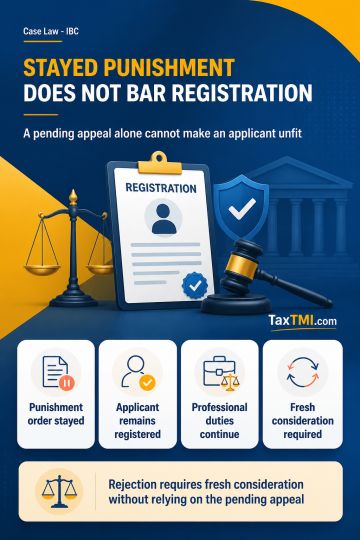
Stayed disciplinary punishment does not establish unfitness for insolvency professional registration; reconsideration must disregard mere pendency of ...
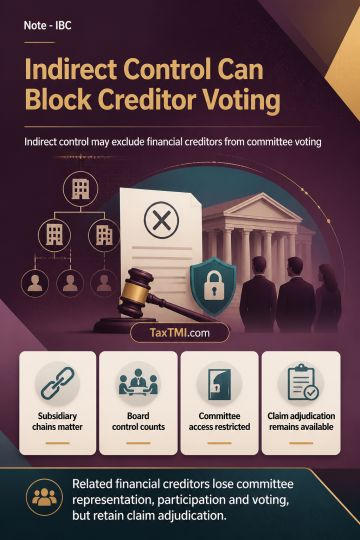
Indirect corporate control can create related-party status, excluding financial creditors from Committee of Creditors representation, participation an...
Scientific research association approval requires continuing SIRO status, annual donation reporting, and donor certificates for the approved foundatio...
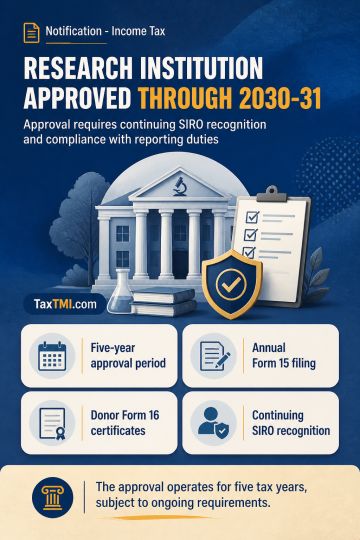
Scientific research institution approval is conditional on SIRO recognition, annual donation reporting, donor certification, and prescribed compliance...
Fraudulent removal and replacement of financed, hypothecated machinery with lower-value machinery can establish fraudulent trading through cumulative documentary and circumstantial evidence. Financing records, invoices, hypothecation, independent valuations, physical indications of removal, lack of creditor consent, and an unsupported explanation for substituted machinery supported the inference of fraudulent intent. A technical dispute over the machinery's identity did not remove the Adjudicating Authority's jurisdiction. The Appellate Tribunal upheld fraudulent trading under the Code and affirmed the contribution direction, finding no basis to treat the quantified depletion of the corporate debtor's assets as arbitrary; depreciation and realisable-value arguments did not displace that finding.
Fraudulent removal and replacement of financed, hypothecated machinery with lower-value machinery can establish fraudulent trading through cumulative documentary and circumstantial evidence. Financing records, invoices, hypothecation, independent valuations, physical indications of removal, lack of creditor consent, and an unsupported explanation for substituted machinery supported the inference of fraudulent intent. A technical dispute over the machinery's identity did not remove the Adjudicating Authority's jurisdiction. The Appellate Tribunal upheld fraudulent trading under the Code and affirmed the contribution direction, finding no basis to treat the quantified depletion of the corporate debtor's assets as arbitrary; depreciation and realisable-value arguments did not displace that finding.
Note: It is a system-generated summary and is for quick reference only.
 TaxTMI
  TaxTMI
 of 4886