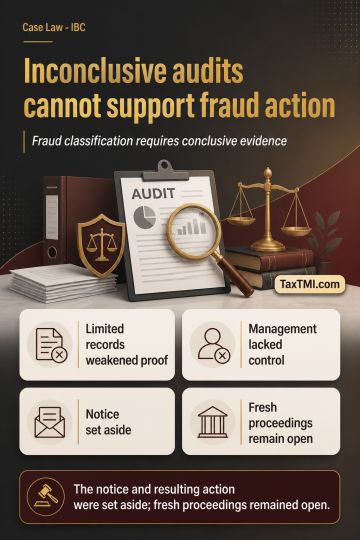
Fraud classification show-cause notices founded on inconclusive forensic audit material cannot sustain action, permitting fresh proceedings on conclus...
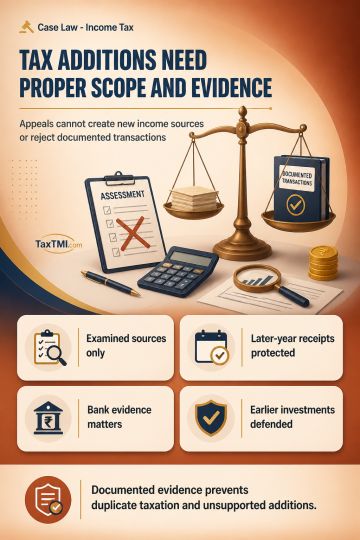
Appellate enhancement limits protect against new income sources, while documented credits and prior-year investments resist unexplained-income additio...
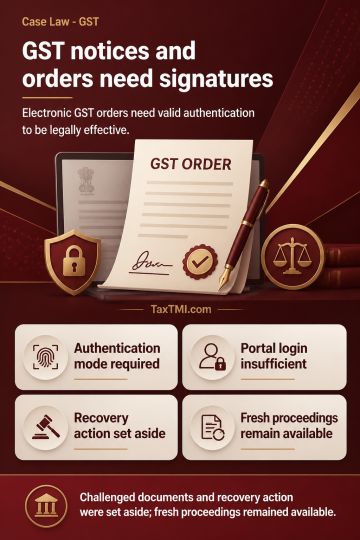
Mandatory authentication under Rule 26(3) requires every electronic GST notice and adjudication order to bear a digital signature, e-signature, or another notified verification mode. An officer's portal login authenticates access only; it does not authenticate or attribute a document's contents. Electronic documents issued without a signature or notified authentication mode lack legal existence, and the defect is jurisdictional rather than curable. The unsigned show cause notice, adjudication order, and consequential recovery action were set aside, while fresh proceedings remained available in accordance with law. A statutory appeal does not bar writ jurisdiction where the challenged order lacks legal existence.
Mandatory authentication under Rule 26(3) requires every electronic GST notice and adjudication order to bear a digital signature, e-signature, or another notified verification mode. An officer's portal login authenticates access only; it does not authenticate or attribute a document's contents. Electronic documents issued without a signature or notified authentication mode lack legal existence, and the defect is jurisdictional rather than curable. The unsigned show cause notice, adjudication order, and consequential recovery action were set aside, while fresh proceedings remained available in accordance with law. A statutory appeal does not bar writ jurisdiction where the challenged order lacks legal existence.
Note: It is a system-generated summary and is for quick reference only.
 TaxTMI
  TaxTMI
 of 4886