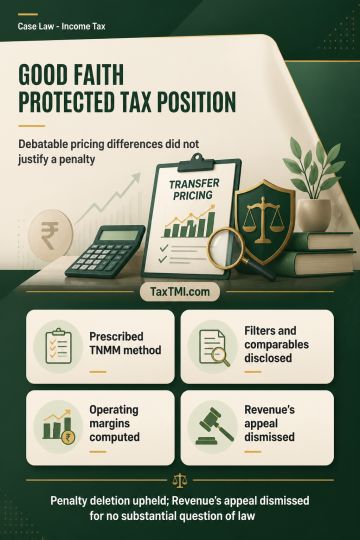
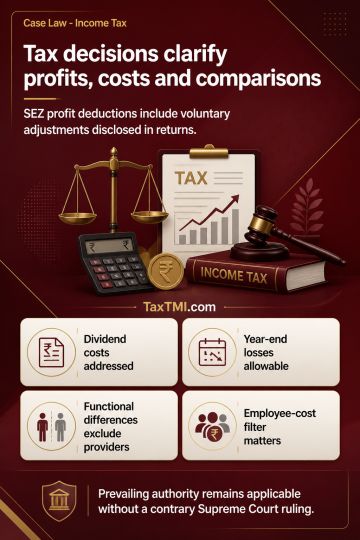
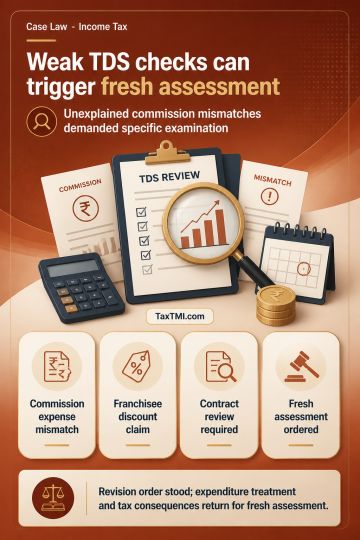
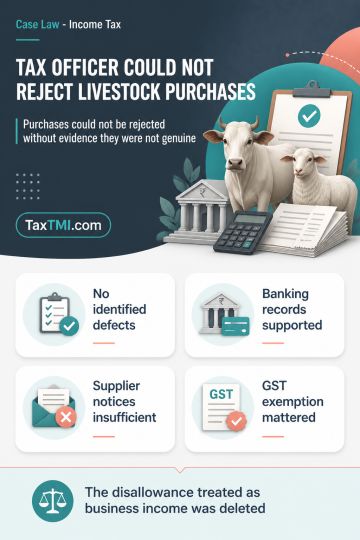
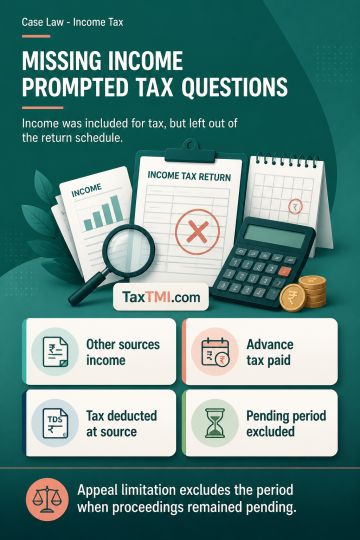
SEZ-unit profit deduction covers voluntary transfer-pricing adjustments, while exempt-income costs, foreign-exchange loss and ITeS comparables are exa...
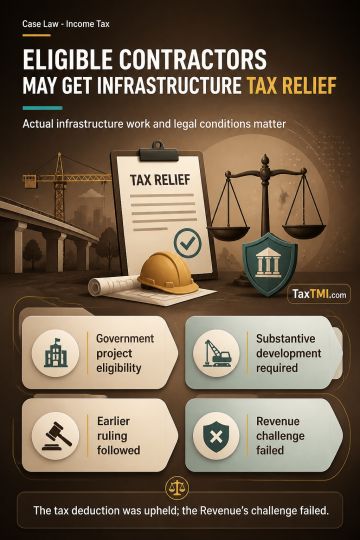
Infrastructure-development deduction remains available to EPC contractors when substantive statutory conditions outweigh contractor labels in agreemen...
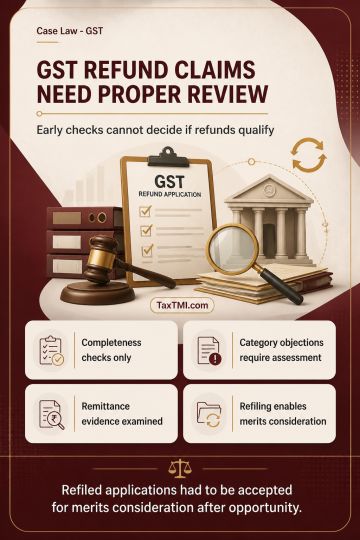
Rule 90(2) limits scrutiny of a GST refund application to its completeness under Rule 89(2), (3) and (4); it does not permit a deficiency memo to decide merits. Objections concerning the correct refund category, required statutory statements, adequacy of foreign-remittance evidence, or limitation require substantive examination by the competent authority. An Advice of Foreign Inward Remittance cannot be rejected solely by its label without assessing whether its contents meet the purpose of a Bank Realisation Certificate or FIRC. Deficiency memos on those grounds were unsustainable, and refiled applications had to be accepted for merits consideration after the applicable opportunity.
Rule 90(2) limits scrutiny of a GST refund application to its completeness under Rule 89(2), (3) and (4); it does not permit a deficiency memo to decide merits. Objections concerning the correct refund category, required statutory statements, adequacy of foreign-remittance evidence, or limitation require substantive examination by the competent authority. An Advice of Foreign Inward Remittance cannot be rejected solely by its label without assessing whether its contents meet the purpose of a Bank Realisation Certificate or FIRC. Deficiency memos on those grounds were unsustainable, and refiled applications had to be accepted for merits consideration after the applicable opportunity.
Note: It is a system-generated summary and is for quick reference only.
 TaxTMI
  TaxTMI
 of 4886