Business expenditure and depreciation rules allow operational outgoings while limiting disallowances for personal elements and unsupported third-party...
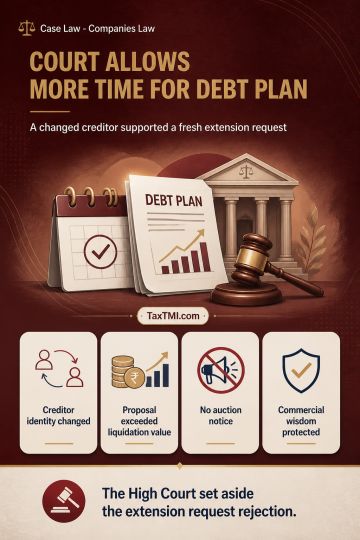
Compromise-and-arrangement extensions may accommodate debt assignment where creditor commercial judgment supports value maximisation and avoids proced...
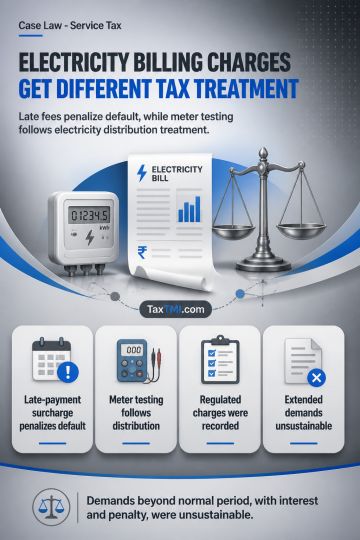
Delayed-payment surcharge is not taxable tolerance consideration where it penalises default, while meter testing follows electricity distribution trea...
Page of 4886
Press 'Enter' after typing page number.
861 to 880 of 97705 Results
❮
❯
❯❯
0 / 200
Expand Note
Add to Folder
No Folders have been created
+
Are you sure you want to delete "My most important" ?
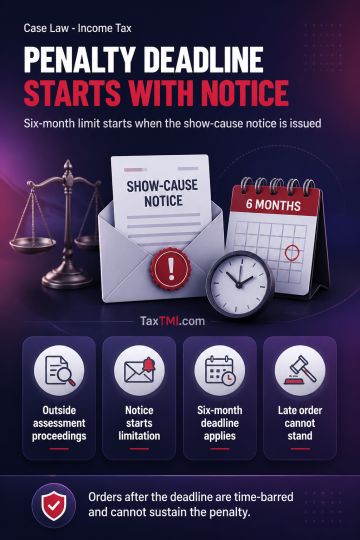
Penalty proceedings under section 271D that are not initiated during an assessment or other proceeding fall outside the first alternative limitation period in section 275(1)(c). In that situation, the show-cause notice constitutes the latest point at which action to impose the penalty is regarded as initiated. The penalty order must therefore be made within six months from the end of the month in which that notice is issued. An order made after that deadline is time-barred and cannot sustain the penalty.
Penalty proceedings under section 271D that are not initiated during an assessment or other proceeding fall outside the first alternative limitation period in section 275(1)(c). In that situation, the show-cause notice constitutes the latest point at which action to impose the penalty is regarded as initiated. The penalty order must therefore be made within six months from the end of the month in which that notice is issued. An order made after that deadline is time-barred and cannot sustain the penalty.
Note: It is a system-generated summary and is for quick reference only.
 TaxTMI
  TaxTMI
 of 4886