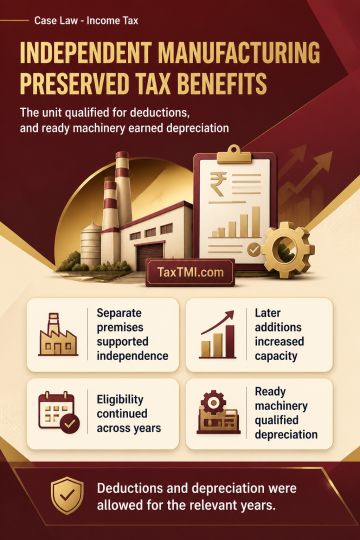
Independent manufacturing undertaking eligibility preserves Section 80IA/80IB deductions, while machinery kept ready for use qualifies for depreciatio...
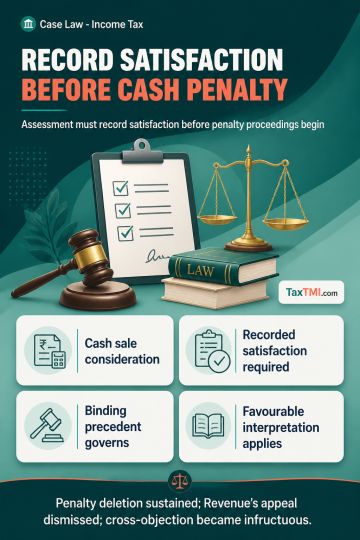
Assessing Officer Satisfaction Requirement Bars Penalty for Cash Receipt in Immovable-Property Sale Cases Where Initiation Lacks Recorded Satisfaction...
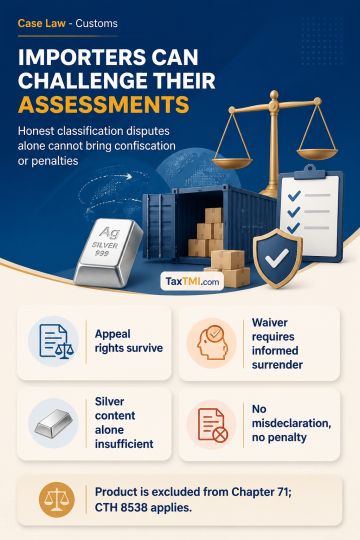
Self-assessed import entries remain appealable, while bona fide classification disputes without misdeclaration cannot justify confiscation or penaltie...
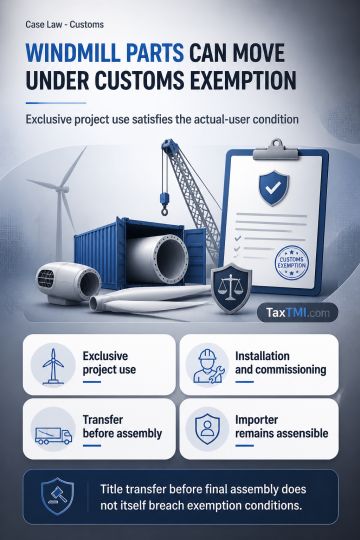
Actual-user customs exemption conditions permit turnkey project transfers when imported windmill components are exclusively used for installation and ...
Customs offence disqualification excludes civil contraventions, preventing refusal of a private bonded warehouse licence based solely on monetary pena...
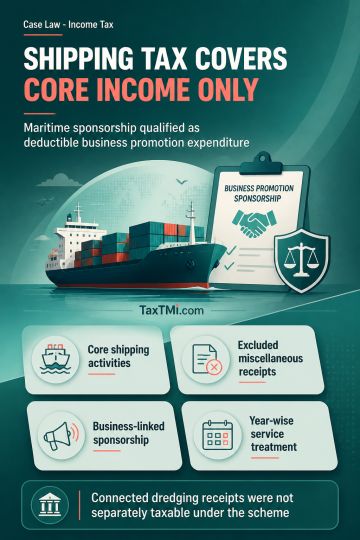
The Tonnage Tax Scheme confines relevant shipping income to profits from specified core and prescribed incidental shipping activities. Receipts from tender-document sales, contractor-delay damages, leased quarters, training fees, other operating income, and salary recoveries from resigned employees fell outside that scope, whereas scrap and empties sales, exchange differences, waste-oil sales, insurance claims, and provision reversals were treated as connected with dredging operations or not separately taxable. Service charges received differing treatment across assessment years in line with earlier determinations. Sponsorship for a maritime investment event qualified as business promotion expenditure because it had a direct business nexus and met commercial expediency, notwithstanding its accounting classification as donation; under the scheme, its debit or disallowance did not affect taxable-profit computation.
The Tonnage Tax Scheme confines relevant shipping income to profits from specified core and prescribed incidental shipping activities. Receipts from tender-document sales, contractor-delay damages, leased quarters, training fees, other operating income, and salary recoveries from resigned employees fell outside that scope, whereas scrap and empties sales, exchange differences, waste-oil sales, insurance claims, and provision reversals were treated as connected with dredging operations or not separately taxable. Service charges received differing treatment across assessment years in line with earlier determinations. Sponsorship for a maritime investment event qualified as business promotion expenditure because it had a direct business nexus and met commercial expediency, notwithstanding its accounting classification as donation; under the scheme, its debit or disallowance did not affect taxable-profit computation.
Note: It is a system-generated summary and is for quick reference only.
 TaxTMI
  TaxTMI
 of 4881