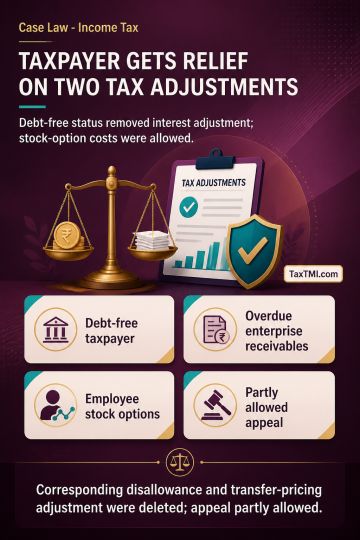
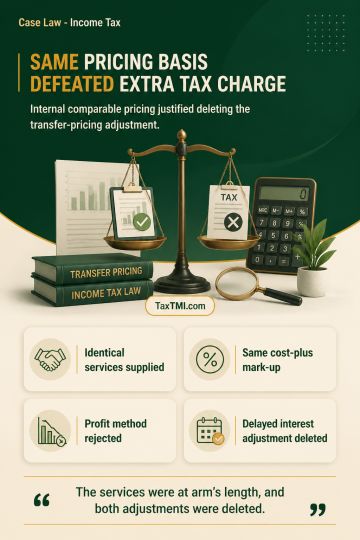
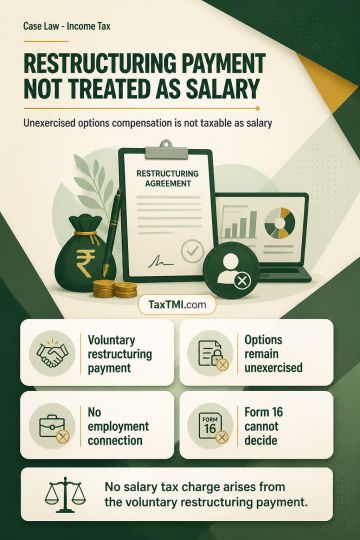
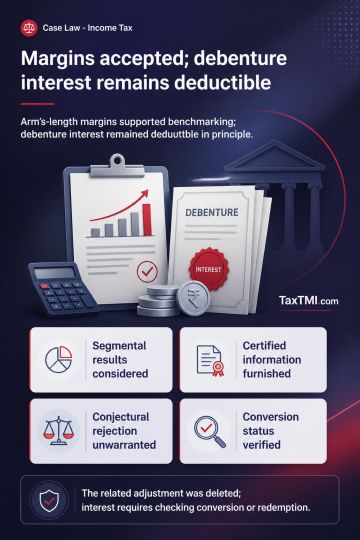
Overdue associated-enterprise receivables: debt-free status defeated notional-interest adjustment, while employee stock-option costs qualified as busi...
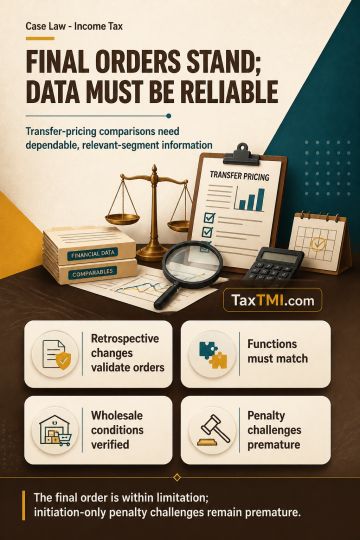
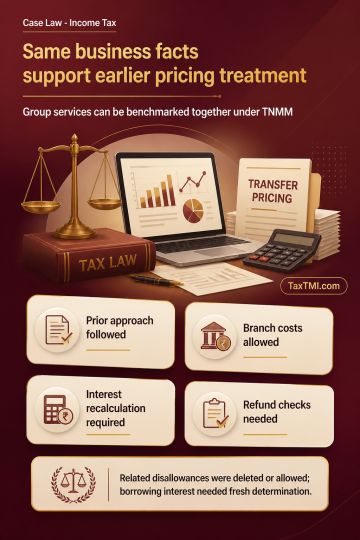
Retrospective assessment-limitation amendments validate final orders while contemporaneous segment data governs transfer-pricing comparability and tol...
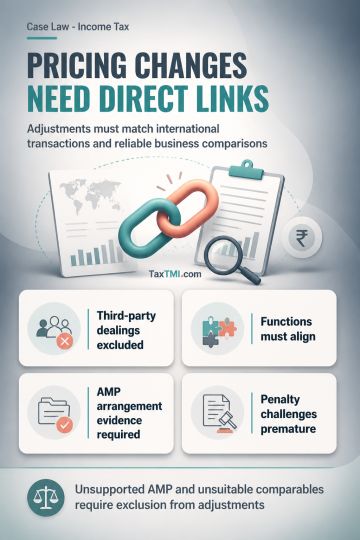
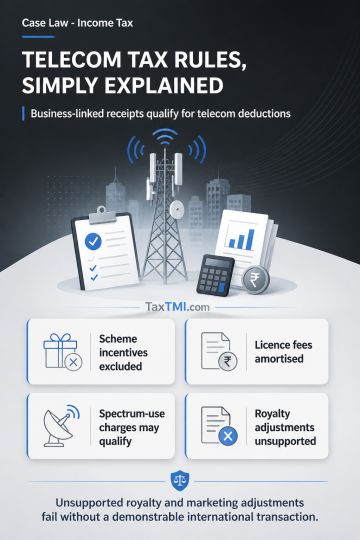
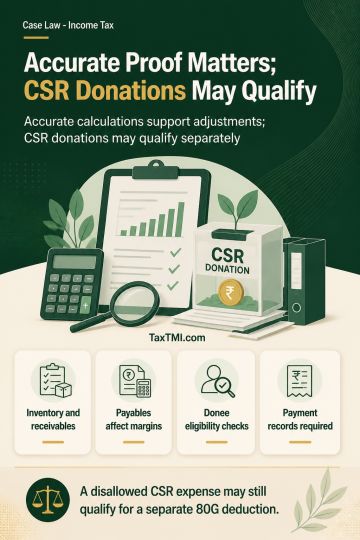
Transfer pricing adjustments must track international transactions, while unsupported AMP adjustments and unsuitable manufacturing comparables require...
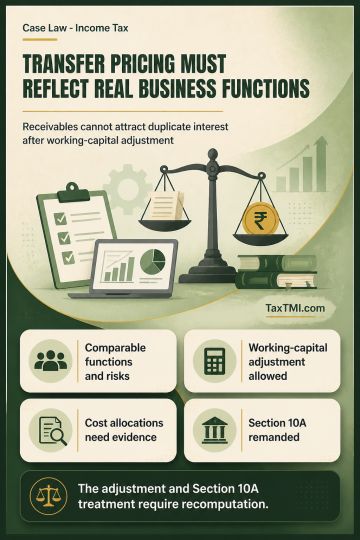
Transfer-pricing adjustments must reflect functional comparability, working-capital effects, and avoid duplicating interest on associated-enterprise r...
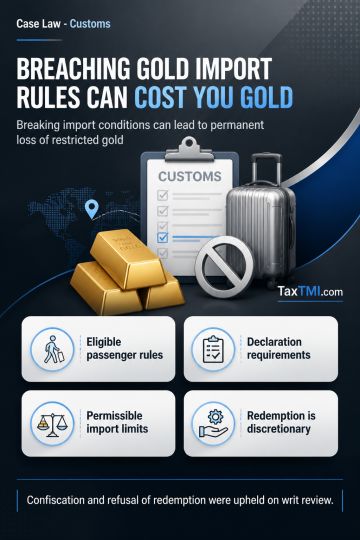
Restricted gold import conditions: breach permits absolute confiscation, while redemption remains discretionary and is rarely disturbed on writ review...
Page of 4886
Press 'Enter' after typing page number.
1041 to 1060 of 97711 Results
❮
❯
❯❯
0 / 200
Expand Note
Add to Folder
No Folders have been created
+
Are you sure you want to delete "My most important" ?
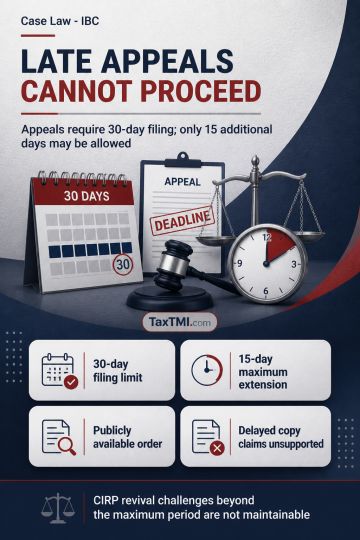
Limitation for appeals under the Insolvency and Bankruptcy Code requires filing within 30 days of the impugned order. The appellate forum may condone delay only for a further period not exceeding 15 days on sufficient cause and has no jurisdiction to entertain an appeal beyond that maximum period. Availability of the order in the public domain on the date of pronouncement defeats a contrary assertion of delayed upload, while unsupported claims regarding delayed receipt of a certified copy do not establish sufficient cause. Knowledge of the order is not an independent basis for extending limitation under the insolvency regime. An appeal filed beyond the maximum condonable period against revival of the corporate insolvency resolution process is therefore not maintainable.
Limitation for appeals under the Insolvency and Bankruptcy Code requires filing within 30 days of the impugned order. The appellate forum may condone delay only for a further period not exceeding 15 days on sufficient cause and has no jurisdiction to entertain an appeal beyond that maximum period. Availability of the order in the public domain on the date of pronouncement defeats a contrary assertion of delayed upload, while unsupported claims regarding delayed receipt of a certified copy do not establish sufficient cause. Knowledge of the order is not an independent basis for extending limitation under the insolvency regime. An appeal filed beyond the maximum condonable period against revival of the corporate insolvency resolution process is therefore not maintainable.
Note: It is a system-generated summary and is for quick reference only.
 TaxTMI
  TaxTMI
 of 4886