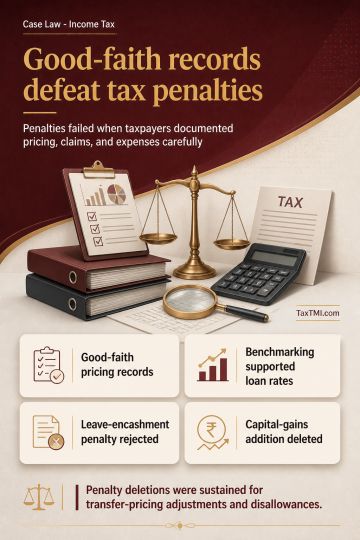
Inaccurate-particulars penalties fail where transfer-pricing documentation shows good faith and due diligence, and underlying capital-gains additions ...
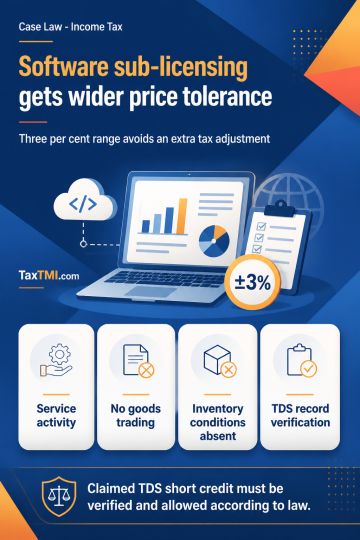
Transfer-pricing tolerance for software sub-licensing falls within the services range, eliminating the adjustment and requiring TDS-credit verificatio...
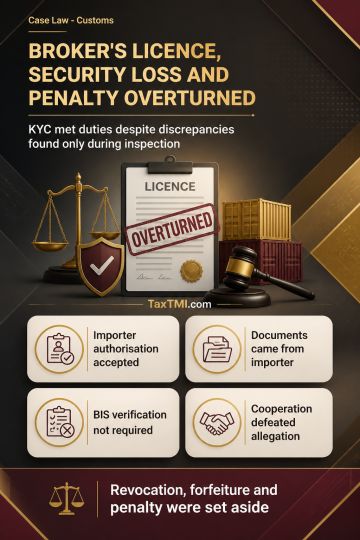
Customs Broker due diligence requires prescribed KYC, not detecting misdeclarations discoverable only through physical examination, defeating licence ...
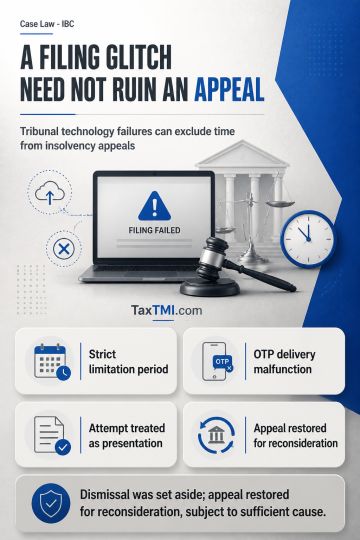
E-filing system failure permits exclusion of affected time in insolvency appeals, preventing tribunal technology defects from defeating timely filings...
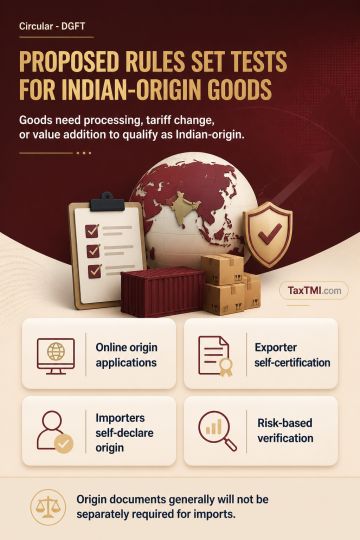
Proposed non-preferential Rules of Origin would require exported goods using imported inputs to undergo processing beyond specified minimal operations before being treated as Indian-origin. Exporters would apply online for non-preferential Certificates of Origin, while manufacturer exporters holding Status Holder recognition could self-certify qualifying goods. Back-to-back certificates could support re-exports, trans-shipment and merchanting trade for foreign-origin goods. For imports, agricultural goods would generally be origin-determined by wholly obtained or produced status, subject to a de-minimis tolerance, while other goods would require either a change in tariff heading or prescribed value addition. Importers would self-declare origin; separate origin documents would generally not be required, with risk-based verification permitted.
Proposed non-preferential Rules of Origin would require exported goods using imported inputs to undergo processing beyond specified minimal operations before being treated as Indian-origin. Exporters would apply online for non-preferential Certificates of Origin, while manufacturer exporters holding Status Holder recognition could self-certify qualifying goods. Back-to-back certificates could support re-exports, trans-shipment and merchanting trade for foreign-origin goods. For imports, agricultural goods would generally be origin-determined by wholly obtained or produced status, subject to a de-minimis tolerance, while other goods would require either a change in tariff heading or prescribed value addition. Importers would self-declare origin; separate origin documents would generally not be required, with risk-based verification permitted.
Note: It is a system-generated summary and is for quick reference only.
 TaxTMI
  TaxTMI
 of 4881