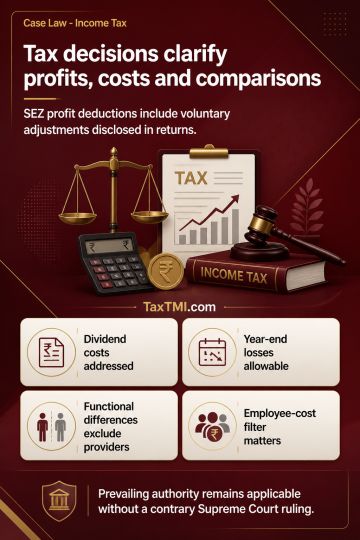
SEZ-unit profit deduction covers voluntary transfer-pricing adjustments, while exempt-income costs, foreign-exchange loss and ITeS comparables are exa...
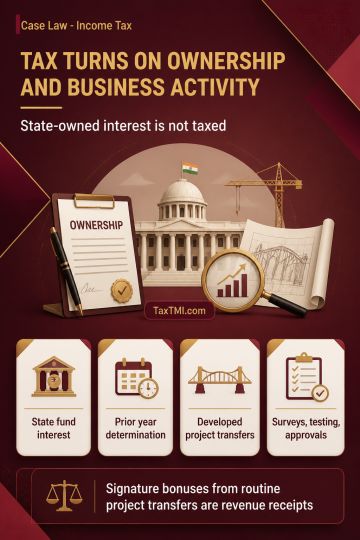
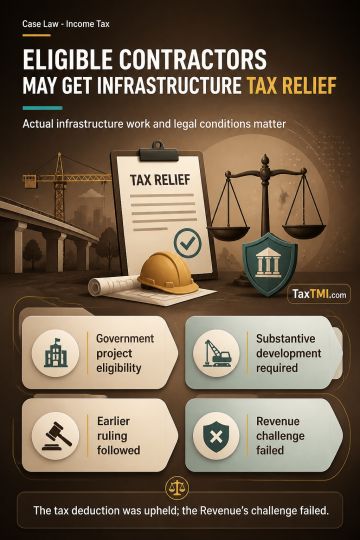
Infrastructure-development deduction remains available to EPC contractors when substantive statutory conditions outweigh contractor labels in agreemen...
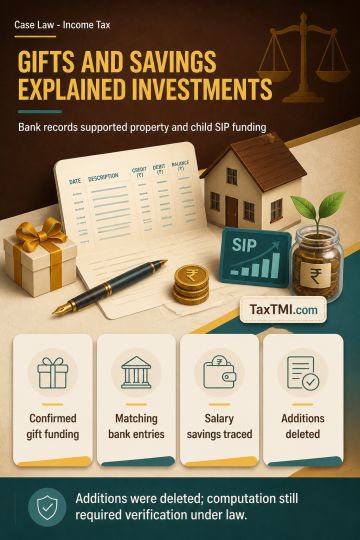
Explained Investment Sources: documented gifts and traceable salary savings supported deletion of additions for property and mutual-fund SIP investmen...
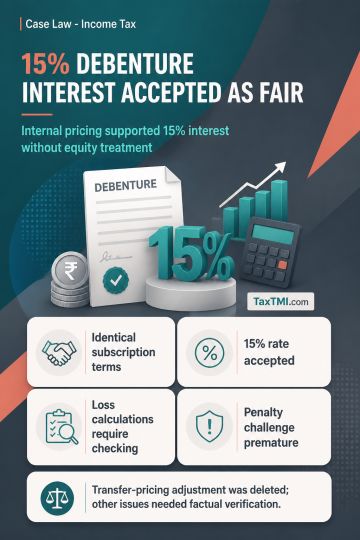
Internal comparable pricing supports arm's-length interest on compulsorily convertible debentures, preventing their recharacterisation as equity for t...
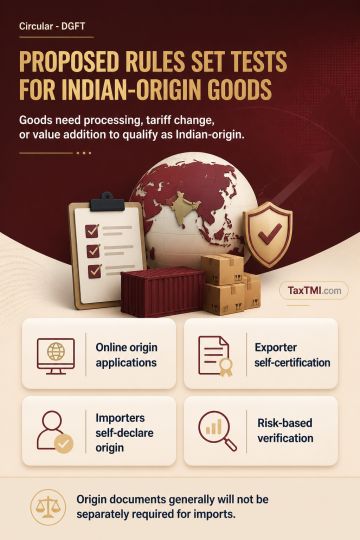
Proposed non-preferential Rules of Origin would require exported goods using imported inputs to undergo processing beyond specified minimal operations before being treated as Indian-origin. Exporters would apply online for non-preferential Certificates of Origin, while manufacturer exporters holding Status Holder recognition could self-certify qualifying goods. Back-to-back certificates could support re-exports, trans-shipment and merchanting trade for foreign-origin goods. For imports, agricultural goods would generally be origin-determined by wholly obtained or produced status, subject to a de-minimis tolerance, while other goods would require either a change in tariff heading or prescribed value addition. Importers would self-declare origin; separate origin documents would generally not be required, with risk-based verification permitted.
Proposed non-preferential Rules of Origin would require exported goods using imported inputs to undergo processing beyond specified minimal operations before being treated as Indian-origin. Exporters would apply online for non-preferential Certificates of Origin, while manufacturer exporters holding Status Holder recognition could self-certify qualifying goods. Back-to-back certificates could support re-exports, trans-shipment and merchanting trade for foreign-origin goods. For imports, agricultural goods would generally be origin-determined by wholly obtained or produced status, subject to a de-minimis tolerance, while other goods would require either a change in tariff heading or prescribed value addition. Importers would self-declare origin; separate origin documents would generally not be required, with risk-based verification permitted.
Note: It is a system-generated summary and is for quick reference only.
 TaxTMI
  TaxTMI
 of 4888