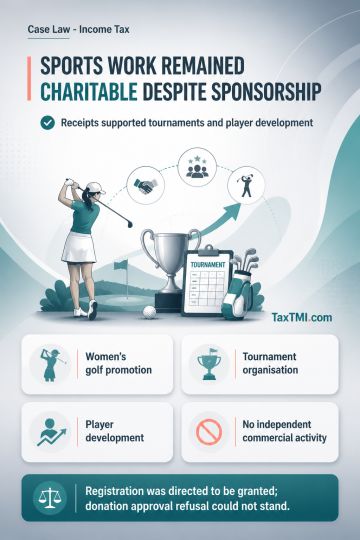
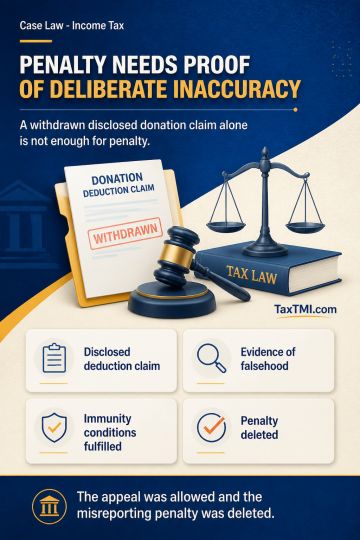
Charitable sports promotion: sponsorship receipts alone did not defeat registration where funds supported tournaments and player development activitie...
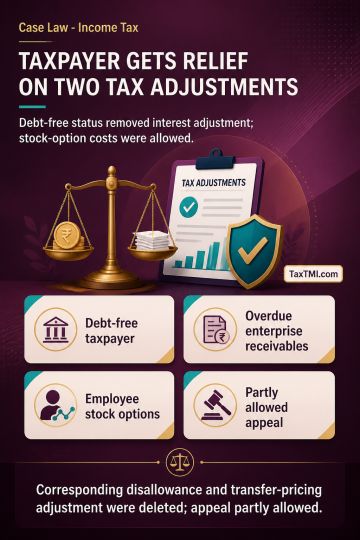
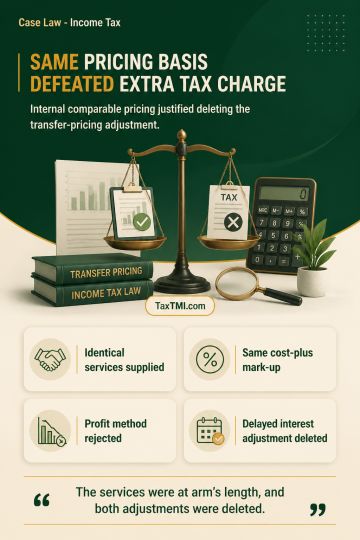
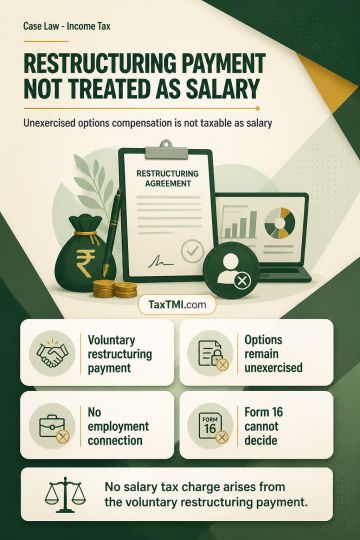
Overdue associated-enterprise receivables: debt-free status defeated notional-interest adjustment, while employee stock-option costs qualified as busi...
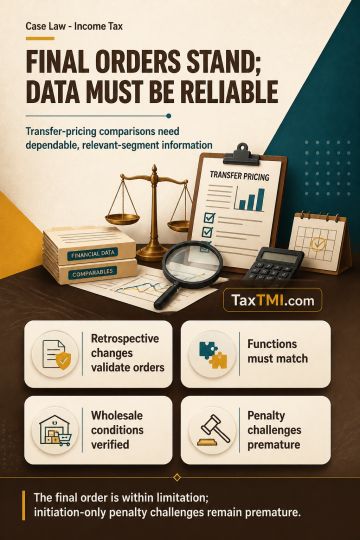
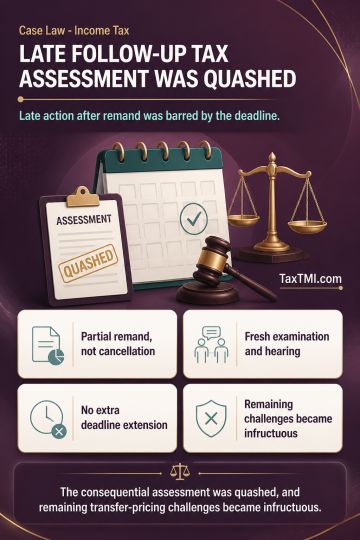
Retrospective assessment-limitation amendments validate final orders while contemporaneous segment data governs transfer-pricing comparability and tol...
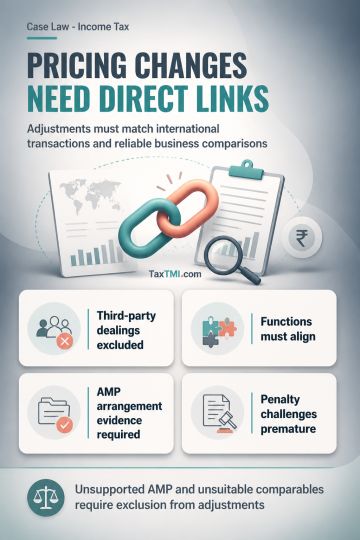
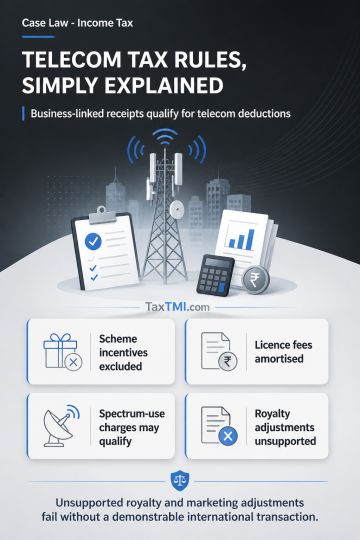
Transfer pricing adjustments must track international transactions, while unsupported AMP adjustments and unsuitable manufacturing comparables require...
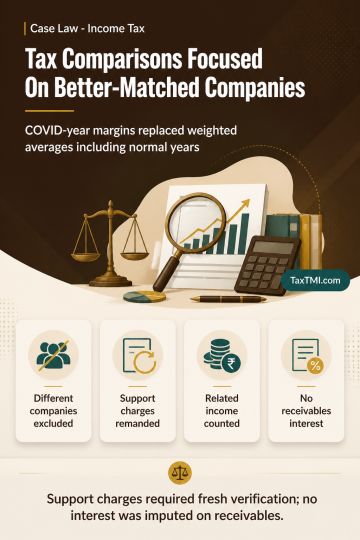
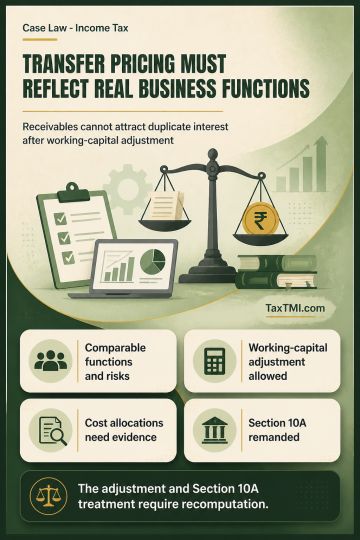
Transfer-pricing adjustments must reflect functional comparability, working-capital effects, and avoid duplicating interest on associated-enterprise r...
Page of 4884
Press 'Enter' after typing page number.
981 to 1000 of 97661 Results
❮
❯
❯❯
0 / 200
Expand Note
Add to Folder
No Folders have been created
+
Are you sure you want to delete "My most important" ?
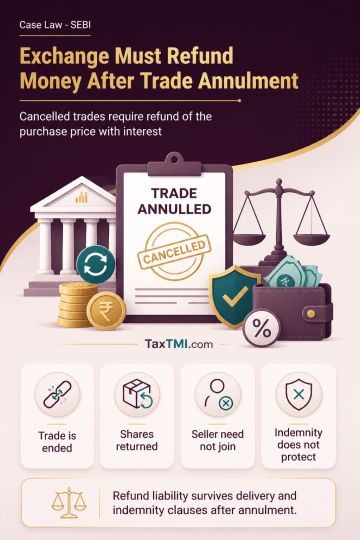
Annulment of a securities trade ends the transaction and makes subsequent physical delivery of the shares purposeless where the shares have been returned to the selling member. The purchaser is entitled to recover the purchase consideration with interest from the Exchange, rather than pursue trading-loss damages. The selling member is not a necessary party because the settlement mechanism creates no direct buyer-seller contract requiring relief against that member after annulment; arbitration and closing-out remedies are therefore inapplicable. An indemnity limited to dispute-resolution references does not grant the Exchange general immunity, and Clearing House non-liability provisions concerning title or validity of securities do not bar refund liability arising from annulment.
Annulment of a securities trade ends the transaction and makes subsequent physical delivery of the shares purposeless where the shares have been returned to the selling member. The purchaser is entitled to recover the purchase consideration with interest from the Exchange, rather than pursue trading-loss damages. The selling member is not a necessary party because the settlement mechanism creates no direct buyer-seller contract requiring relief against that member after annulment; arbitration and closing-out remedies are therefore inapplicable. An indemnity limited to dispute-resolution references does not grant the Exchange general immunity, and Clearing House non-liability provisions concerning title or validity of securities do not bar refund liability arising from annulment.
Note: It is a system-generated summary and is for quick reference only.
 TaxTMI
  TaxTMI
 of 4884