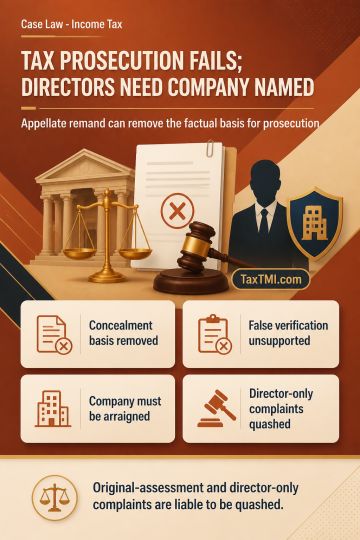
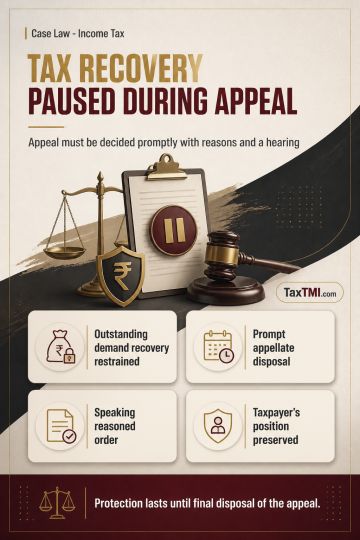
Income-tax prosecution fails when appellate remand removes its factual foundation; directors require company arraignment for vicarious criminal liabil...
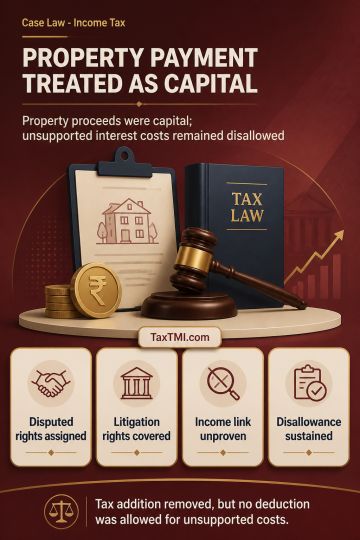
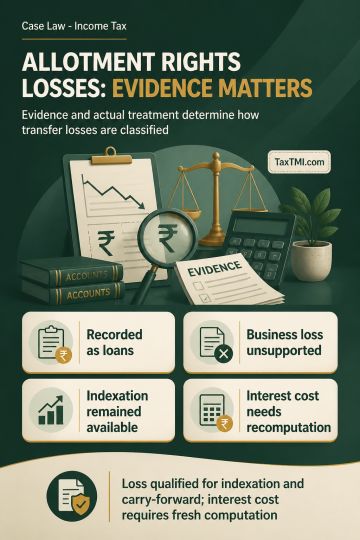
Capital character of assignment consideration prevents taxation as residuary income, while unsupported interest-related expenditure remains non-deduct...
Make-available condition shields regional support-service receipts from Indian taxation where no independent capability or permanent establishment exi...
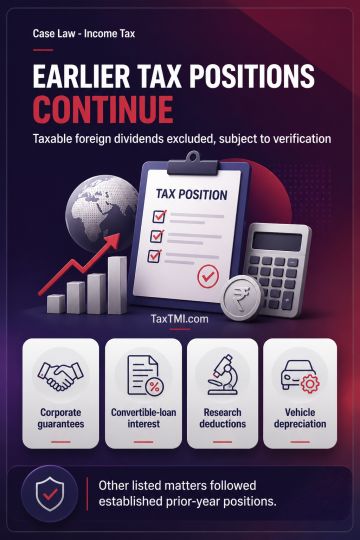
Transfer-pricing treatment of corporate guarantees and convertible loans followed prior-year consistency, with taxable foreign dividends excluded from...
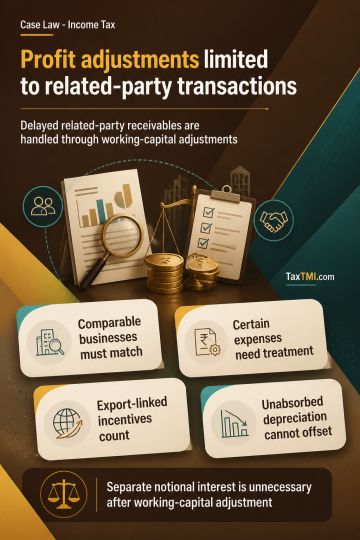
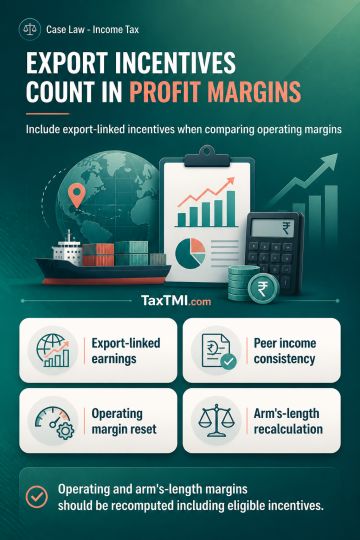
Transfer-pricing benchmarking confines adjustments to associated-enterprise transactions and integrates delayed receivables through TNMM working-capit...
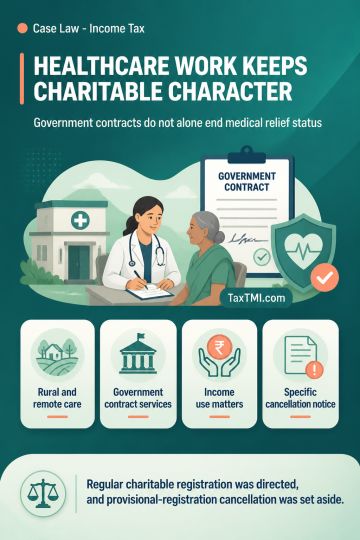
Medical relief status protects government-contracted mobile healthcare from commercial classification, while provisional registration cancellation req...
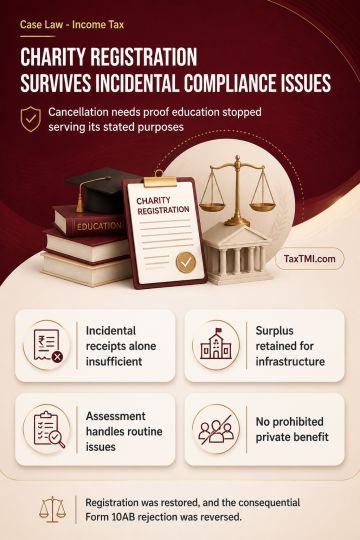
Charitable registration cancellation requires proof that educational activities abandoned their objects; incidental receipts and retained surplus are ...
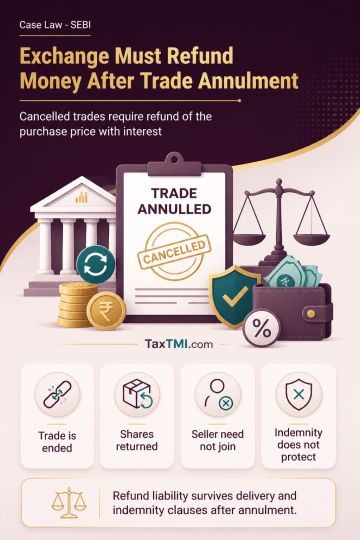
Annulment of a securities trade ends the transaction and makes subsequent physical delivery of the shares purposeless where the shares have been returned to the selling member. The purchaser is entitled to recover the purchase consideration with interest from the Exchange, rather than pursue trading-loss damages. The selling member is not a necessary party because the settlement mechanism creates no direct buyer-seller contract requiring relief against that member after annulment; arbitration and closing-out remedies are therefore inapplicable. An indemnity limited to dispute-resolution references does not grant the Exchange general immunity, and Clearing House non-liability provisions concerning title or validity of securities do not bar refund liability arising from annulment.
Annulment of a securities trade ends the transaction and makes subsequent physical delivery of the shares purposeless where the shares have been returned to the selling member. The purchaser is entitled to recover the purchase consideration with interest from the Exchange, rather than pursue trading-loss damages. The selling member is not a necessary party because the settlement mechanism creates no direct buyer-seller contract requiring relief against that member after annulment; arbitration and closing-out remedies are therefore inapplicable. An indemnity limited to dispute-resolution references does not grant the Exchange general immunity, and Clearing House non-liability provisions concerning title or validity of securities do not bar refund liability arising from annulment.
Note: It is a system-generated summary and is for quick reference only.
 TaxTMI
  TaxTMI
 of 4884