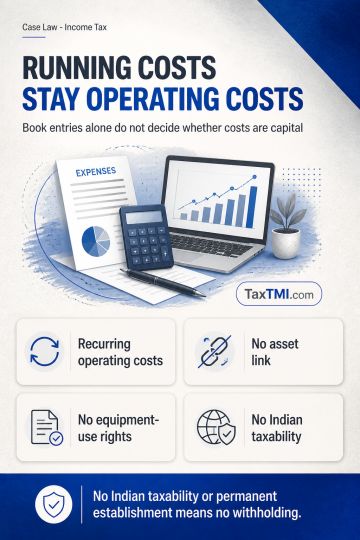
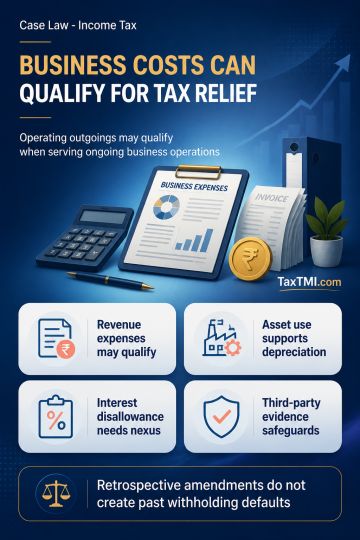
Business expenditure and depreciation rules allow operational outgoings while limiting disallowances for personal elements and unsupported third-party...
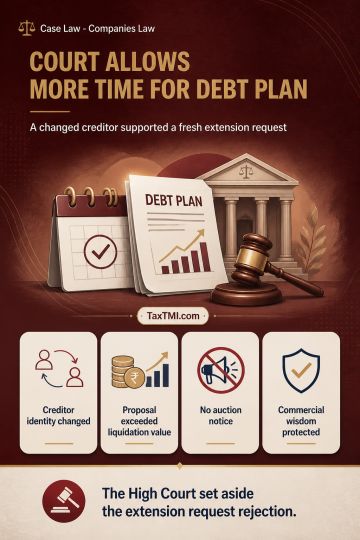
Compromise-and-arrangement extensions may accommodate debt assignment where creditor commercial judgment supports value maximisation and avoids proced...
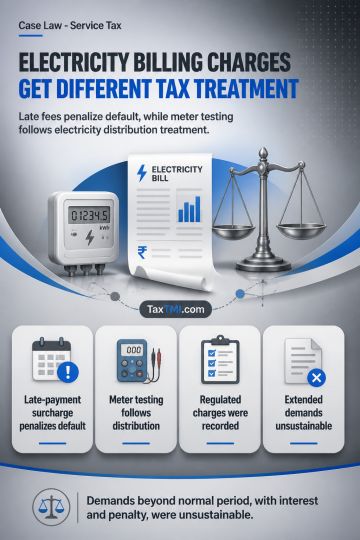
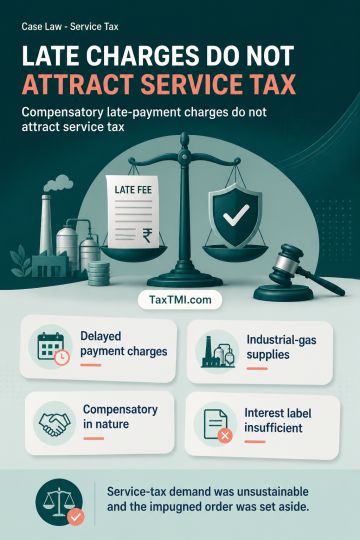
Delayed-payment surcharge is not taxable tolerance consideration where it penalises default, while meter testing follows electricity distribution trea...
Sufficient cause for delayed revenue income-tax appeals requires bona fides, due diligence and a credible explanation; otherwise limitation bars appea...
Inverted-duty-structure refunds remain available for unchanged-rate apparel supplies despite trader status and require tax-period-specific computation...
Page of 4881
Press 'Enter' after typing page number.
781 to 800 of 97618 Results
❮
❯
❯❯
0 / 200
Expand Note
Add to Folder
No Folders have been created
+
Are you sure you want to delete "My most important" ?
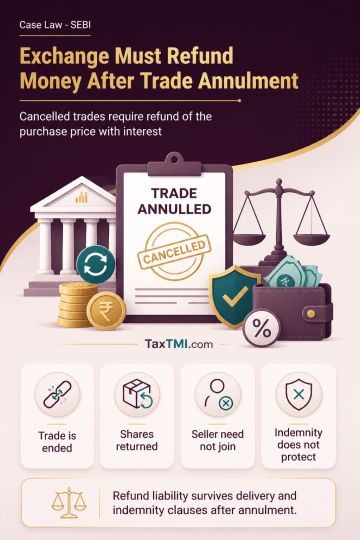
Annulment of a securities trade ends the transaction and makes subsequent physical delivery of the shares purposeless where the shares have been returned to the selling member. The purchaser is entitled to recover the purchase consideration with interest from the Exchange, rather than pursue trading-loss damages. The selling member is not a necessary party because the settlement mechanism creates no direct buyer-seller contract requiring relief against that member after annulment; arbitration and closing-out remedies are therefore inapplicable. An indemnity limited to dispute-resolution references does not grant the Exchange general immunity, and Clearing House non-liability provisions concerning title or validity of securities do not bar refund liability arising from annulment.
Annulment of a securities trade ends the transaction and makes subsequent physical delivery of the shares purposeless where the shares have been returned to the selling member. The purchaser is entitled to recover the purchase consideration with interest from the Exchange, rather than pursue trading-loss damages. The selling member is not a necessary party because the settlement mechanism creates no direct buyer-seller contract requiring relief against that member after annulment; arbitration and closing-out remedies are therefore inapplicable. An indemnity limited to dispute-resolution references does not grant the Exchange general immunity, and Clearing House non-liability provisions concerning title or validity of securities do not bar refund liability arising from annulment.
Note: It is a system-generated summary and is for quick reference only.
 TaxTMI
  TaxTMI
 of 4881