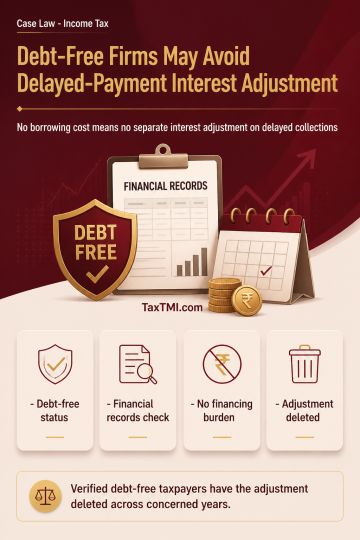
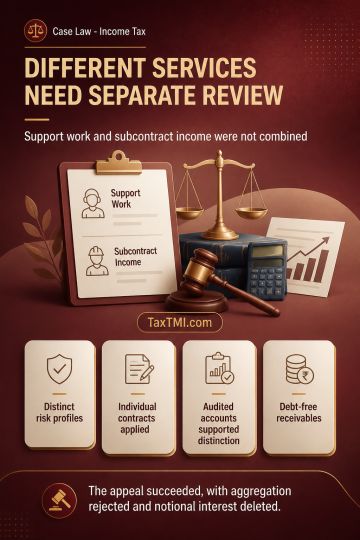
Transfer-pricing aggregation of distinct support-service and subcontract transactions was rejected, while debt-free receivables attracted no notional ...
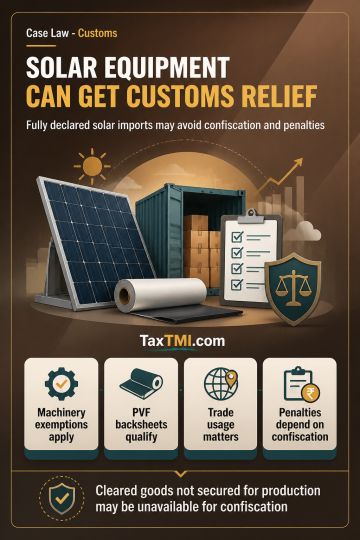
Customs exemptions cover photovoltaic assembly machinery and PVF backsheets, while fully declared cleared imports may avoid confiscation and penalties...
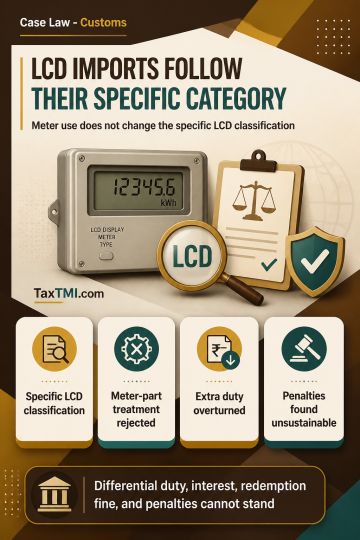
Specific tariff classification for LCD devices overrides treatment as electricity-meter parts, defeating differential duty, extended limitation, and p...
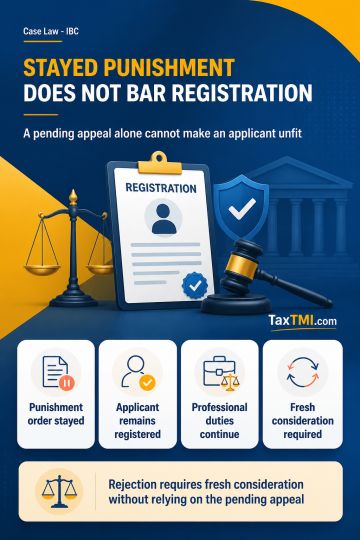
Stayed disciplinary punishment does not establish unfitness for insolvency professional registration; reconsideration must disregard mere pendency of ...
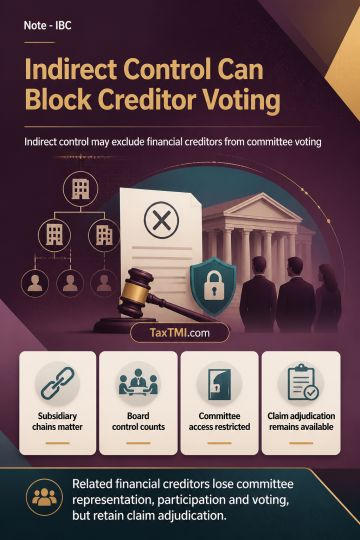
Indirect corporate control can create related-party status, excluding financial creditors from Committee of Creditors representation, participation an...
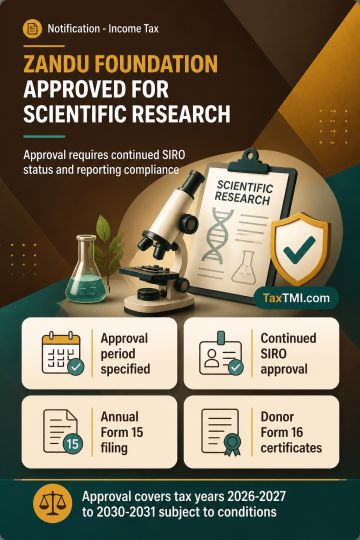
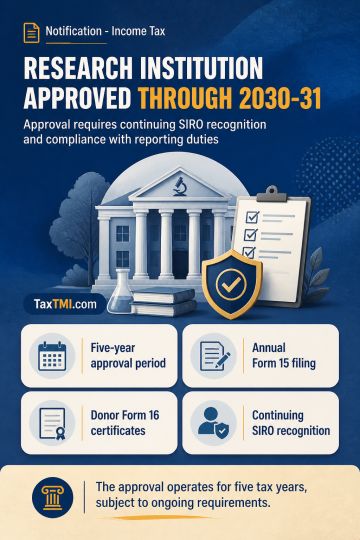
Scientific research association approval requires continuing SIRO status, annual donation reporting, and donor certificates for the approved foundatio...
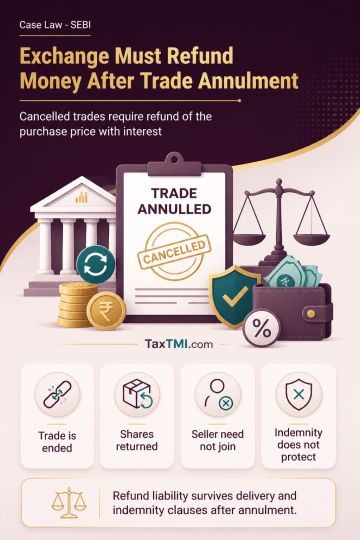
Annulment of a securities trade ends the transaction and makes subsequent physical delivery of the shares purposeless where the shares have been returned to the selling member. The purchaser is entitled to recover the purchase consideration with interest from the Exchange, rather than pursue trading-loss damages. The selling member is not a necessary party because the settlement mechanism creates no direct buyer-seller contract requiring relief against that member after annulment; arbitration and closing-out remedies are therefore inapplicable. An indemnity limited to dispute-resolution references does not grant the Exchange general immunity, and Clearing House non-liability provisions concerning title or validity of securities do not bar refund liability arising from annulment.
Annulment of a securities trade ends the transaction and makes subsequent physical delivery of the shares purposeless where the shares have been returned to the selling member. The purchaser is entitled to recover the purchase consideration with interest from the Exchange, rather than pursue trading-loss damages. The selling member is not a necessary party because the settlement mechanism creates no direct buyer-seller contract requiring relief against that member after annulment; arbitration and closing-out remedies are therefore inapplicable. An indemnity limited to dispute-resolution references does not grant the Exchange general immunity, and Clearing House non-liability provisions concerning title or validity of securities do not bar refund liability arising from annulment.
Note: It is a system-generated summary and is for quick reference only.
 TaxTMI
  TaxTMI
 of 4891