Capital-gains exemption for charitable trusts extends to qualifying fixed deposits, while unrecoverable TDS write-offs may constitute income applicati...
India-UK treaty characterisation of telecom-service receipts as business profits withstands unilateral domestic-law amendments for Indian tax purposes...
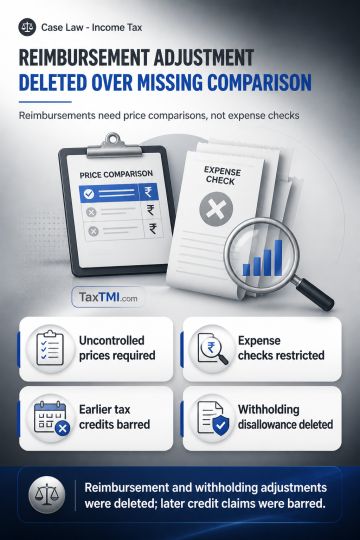
Transfer-pricing reimbursement adjustments require uncontrolled comparables and cannot become expense-genuineness reviews, resulting in deletion of th...
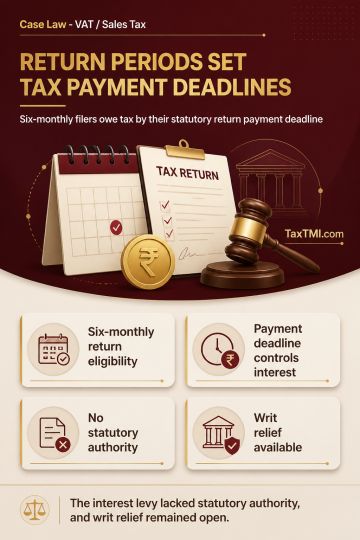
Interest for delayed tax payment under Section 30(2) arises only where tax remains unpaid by the due date fixed under the Act or rules. For a taxpayer entitled to file six-monthly MVAT returns based on the preceding year's undisputed tax liability, that return periodicity determines the payment due date. Turnover, perceived legislative intent, unjust enrichment, or alleged colourable tax planning cannot alter that statutory position. An interest levy imposed contrary to this framework lacks statutory authority. Where no statutory appeal lies against an interest demand, writ jurisdiction remains available; the separate credit-note mismatch challenge was not pursued.
Interest for delayed tax payment under Section 30(2) arises only where tax remains unpaid by the due date fixed under the Act or rules. For a taxpayer entitled to file six-monthly MVAT returns based on the preceding year's undisputed tax liability, that return periodicity determines the payment due date. Turnover, perceived legislative intent, unjust enrichment, or alleged colourable tax planning cannot alter that statutory position. An interest levy imposed contrary to this framework lacks statutory authority. Where no statutory appeal lies against an interest demand, writ jurisdiction remains available; the separate credit-note mismatch challenge was not pursued.
Note: It is a system-generated summary and is for quick reference only.
 TaxTMI
  TaxTMI
 of 4888