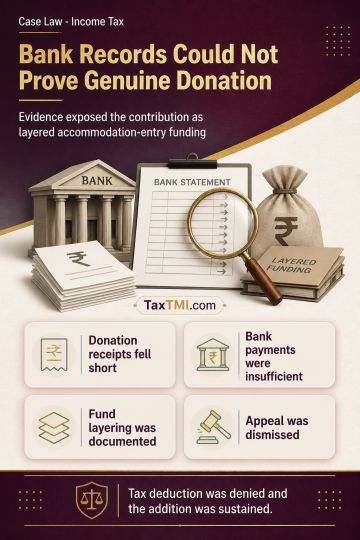
Human-probability test defeats political donation deduction where banking records mask accommodation-entry fund layering and evidence shows non-genuin...
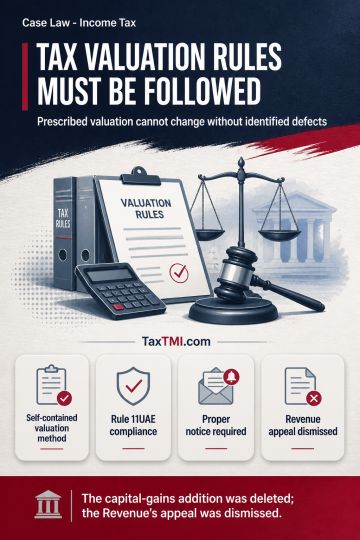
Commercial property status protects capital-gains exemption when residential-house ownership limits are tested, while agricultural-land character gove...
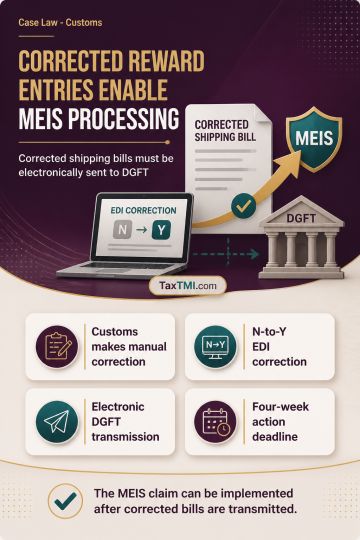
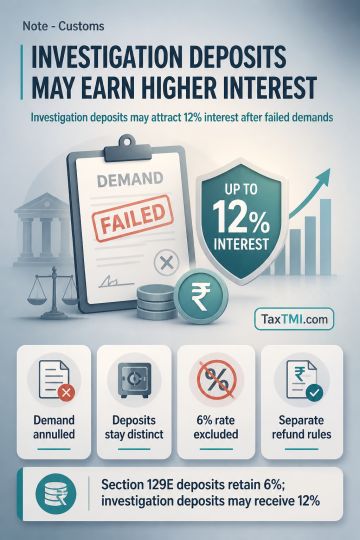
Investigation deposits refunded after failed customs demands fall outside the statutory appellate pre-deposit interest regime and may attract compensa...
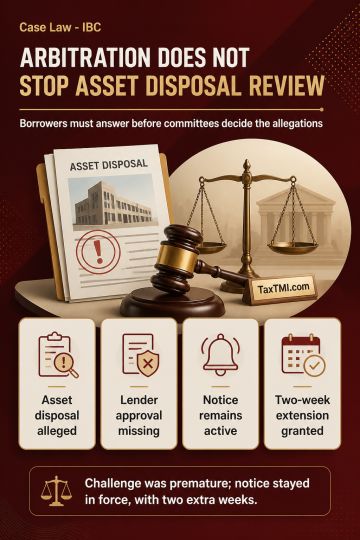
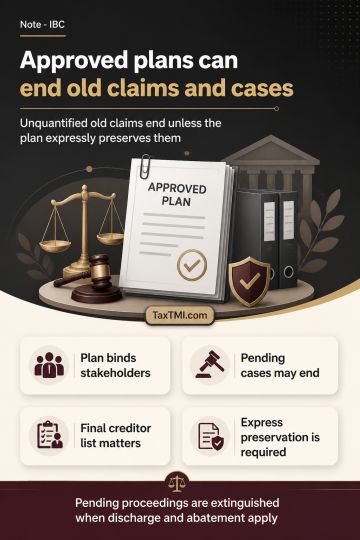
Resolution plan finality extinguishes unquantified operational-creditor claims and pending proceedings unless the approved plan expressly preserves th...
Stakeholder-list modification permits liquidators to update entries on new information, subject to notifying the Adjudicating Authority within prescri...
Sufficient cause for condoning inordinate delay in a revenue...
Sufficient cause for delayed revenue income-tax appeals requires bona fides, due diligence and a credible explanation; otherwise limitation bars appeal.
Contents
Summary
Note
Bookmark
Share
✓ Copied successfully !
Print
Print Options
For full text, please login
Login to TaxTMI
Verification Pending
The Email Id has not been verified. Click on the link we have sent on
Sufficient cause for condoning inordinate delay in a revenue income-tax appeal requires a credible explanation demonstrating bona fides and due diligence. Liberal construction of the limitation standard does not excuse negligence, inaction, departmental workload, difficulty locating records, or unexplained delay after appeal papers are finalised. The duration of delay may be relevant, but the adequacy of the explanation remains decisive. Where substantial delay persists even after exclusion of a limitation extension and the applicant provides only excuses, condonation is unavailable. Failure to establish sufficient cause results in dismissal of the condonation application and the appeal as time-barred.
Sufficient cause for condoning inordinate delay in a revenue income-tax appeal requires a credible explanation demonstrating bona fides and due diligence. Liberal construction of the limitation standard does not excuse negligence, inaction, departmental workload, difficulty locating records, or unexplained delay after appeal papers are finalised. The duration of delay may be relevant, but the adequacy of the explanation remains decisive. Where substantial delay persists even after exclusion of a limitation extension and the applicant provides only excuses, condonation is unavailable. Failure to establish sufficient cause results in dismissal of the condonation application and the appeal as time-barred.
Note: It is a system-generated summary and is for quick reference only.
 TaxTMI
  TaxTMI
 of 4888