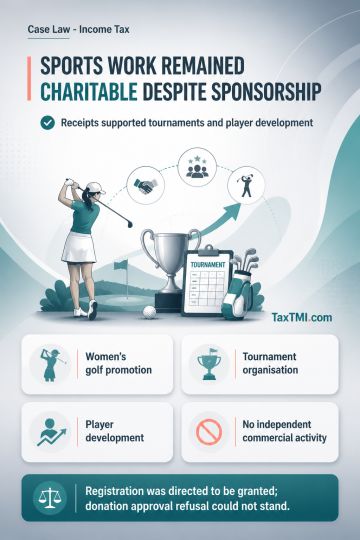
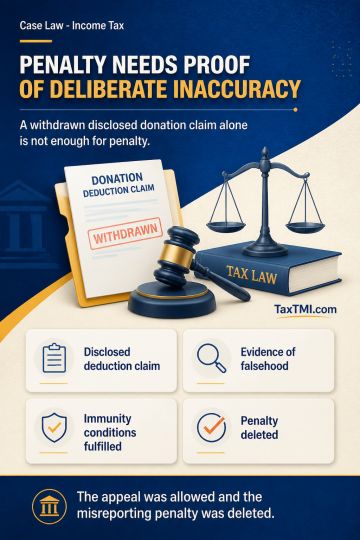
Charitable sports promotion: sponsorship receipts alone did not defeat registration where funds supported tournaments and player development activitie...
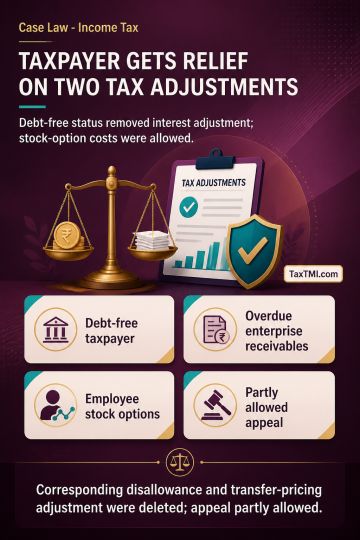
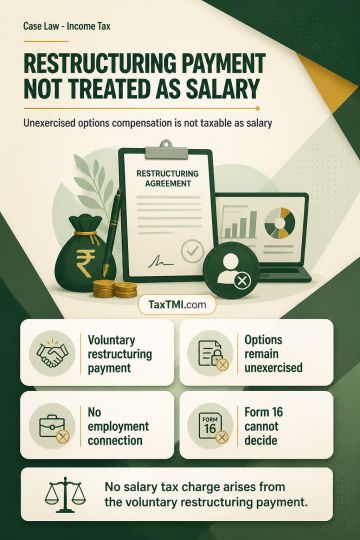
Overdue associated-enterprise receivables: debt-free status defeated notional-interest adjustment, while employee stock-option costs qualified as busi...
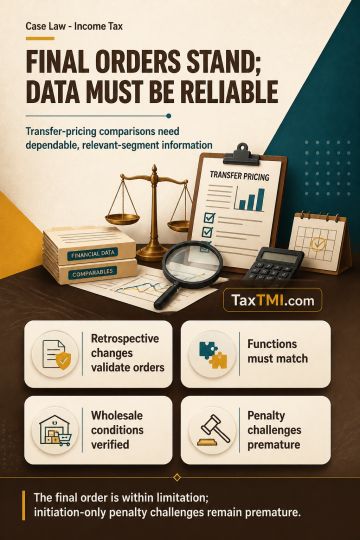
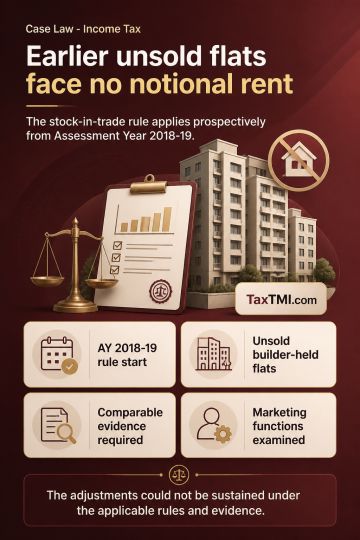
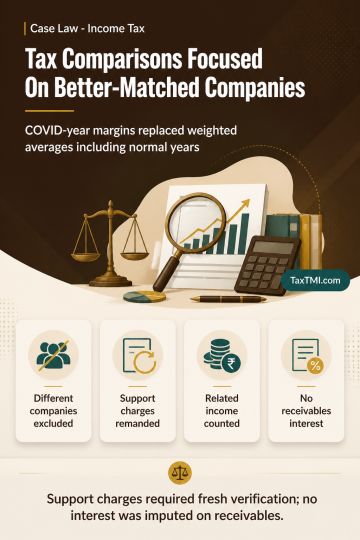
Retrospective assessment-limitation amendments validate final orders while contemporaneous segment data governs transfer-pricing comparability and tol...
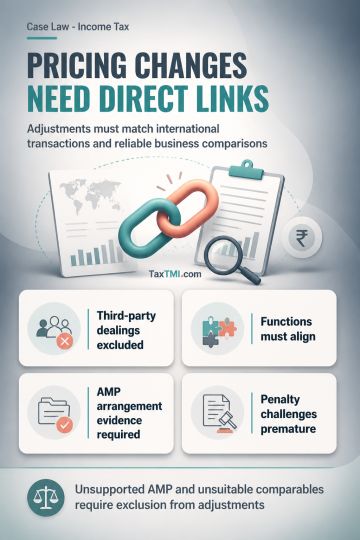
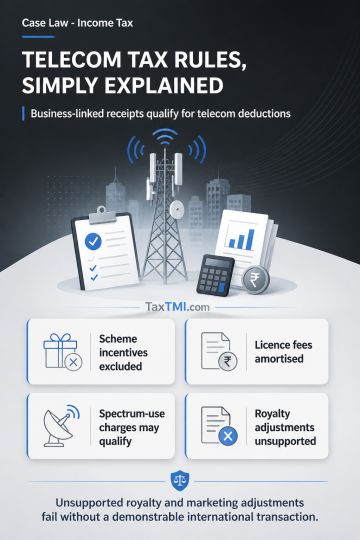
Transfer pricing adjustments must track international transactions, while unsupported AMP adjustments and unsuitable manufacturing comparables require...
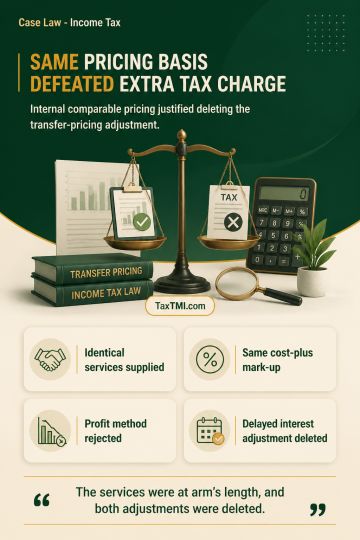
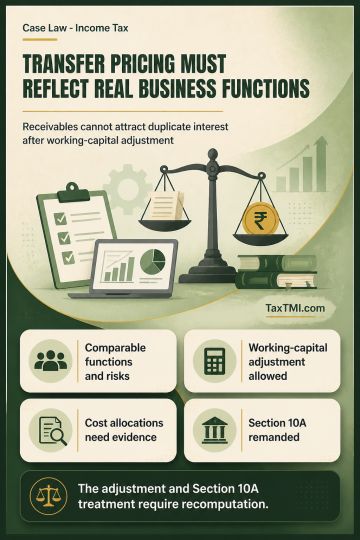
Transfer-pricing adjustments must reflect functional comparability, working-capital effects, and avoid duplicating interest on associated-enterprise r...
Page of 4884
Press 'Enter' after typing page number.
981 to 1000 of 97661 Results
❮
❯
❯❯
0 / 200
Expand Note
Add to Folder
No Folders have been created
+
Are you sure you want to delete "My most important" ?
Section 14 of the Insolvency and Bankruptcy Code, read with its...
Insolvency moratorium bars income-tax revision proceedings against corporate debtors until the moratorium ends, preserving merits for later determination.
Contents
Summary
Note
Bookmark
Share
✓ Copied successfully !
Print
Print Options
For full text, please login
Login to TaxTMI
Verification Pending
The Email Id has not been verified. Click on the link we have sent on
Section 14 of the Insolvency and Bankruptcy Code, read with its overriding provision, prohibits the institution or continuation of proceedings against a corporate debtor during the insolvency moratorium. Income-tax revisional proceedings initiated or continued during that period cannot be sustained. A revisional order passed after commencement of the moratorium was set aside without examination of the proposed revision on merits. The proceedings may be revived and reframed after the moratorium ceases, if permitted by law, with a reasonable opportunity of hearing; all merits issues remain open.
Section 14 of the Insolvency and Bankruptcy Code, read with its overriding provision, prohibits the institution or continuation of proceedings against a corporate debtor during the insolvency moratorium. Income-tax revisional proceedings initiated or continued during that period cannot be sustained. A revisional order passed after commencement of the moratorium was set aside without examination of the proposed revision on merits. The proceedings may be revived and reframed after the moratorium ceases, if permitted by law, with a reasonable opportunity of hearing; all merits issues remain open.
Note: It is a system-generated summary and is for quick reference only.
 TaxTMI
  TaxTMI
 of 4884