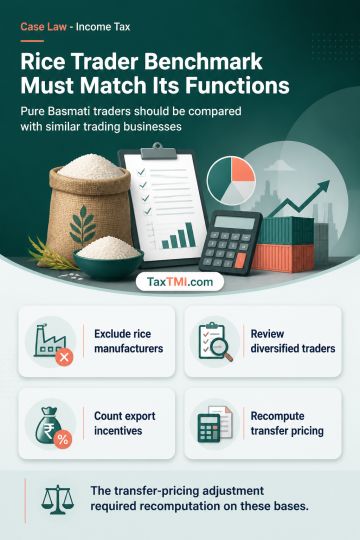
TNMM functional comparability requires excluding rice manufacturers from a pure Basmati rice trader's benchmark and recognising operating export recei...
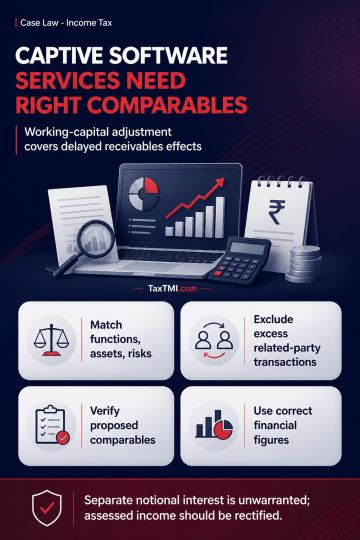
Working-capital adjustment subsumes delayed-receivable effects in TNMM benchmarking of captive software-development services, avoiding separate notion...
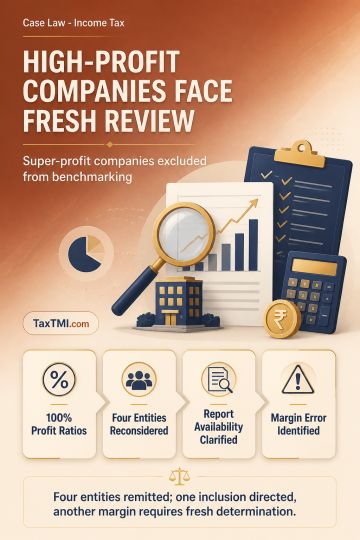
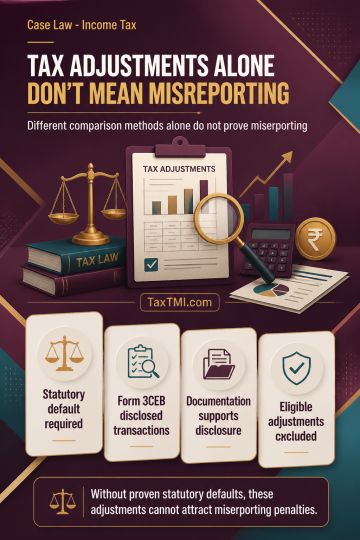
Transfer-pricing comparability requires exclusion of financially illogical super-profit comparables and correction of unsupported annual-report and ma...
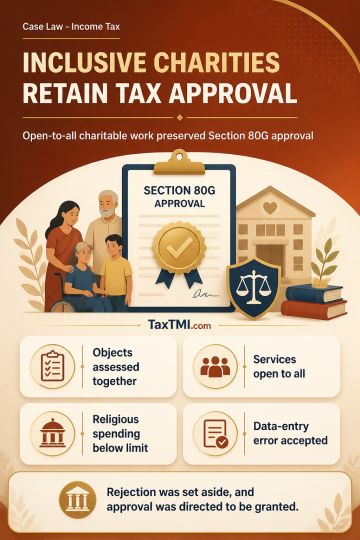
Charitable character assessment preserves Section 80G approval despite inclusive spiritual teachings and incidental religious expenditure within the s...
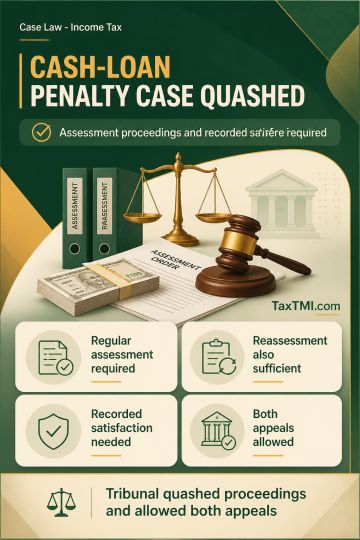
Penalty proceedings for cash-loan acceptance require assessment proceedings and recorded Assessing Officer satisfaction; absent these, the proceedings...
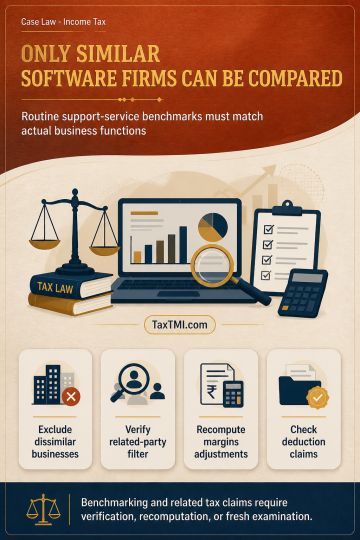
Functional comparability governs software-service benchmarking: dissimilar companies are excluded, while related-party filters, margins and working-ca...
Gold imported outside Reserve Bank of India-authorised bulk-import channels or the passenger-import regime under the Baggage Rules is prohibited goods under the Customs Act, 1962. The definition extends to goods restricted under any law in force and is not limited to prohibitions expressly notified under the Customs Act. Consequently, penalties applicable to improper importation of prohibited goods apply. A penalty order is not jurisdictionally invalid merely because it cites an incorrect provision or does not specify the relevant clause, provided the adjudicating authority had substantive power and its reasoned order identifies the goods as prohibited.
Gold imported outside Reserve Bank of India-authorised bulk-import channels or the passenger-import regime under the Baggage Rules is prohibited goods under the Customs Act, 1962. The definition extends to goods restricted under any law in force and is not limited to prohibitions expressly notified under the Customs Act. Consequently, penalties applicable to improper importation of prohibited goods apply. A penalty order is not jurisdictionally invalid merely because it cites an incorrect provision or does not specify the relevant clause, provided the adjudicating authority had substantive power and its reasoned order identifies the goods as prohibited.
Note: It is a system-generated summary and is for quick reference only.
 TaxTMI
  TaxTMI
 of 4897