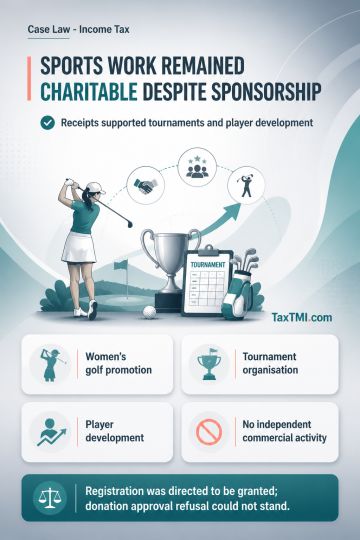
Charitable sports promotion: sponsorship receipts alone did not defeat registration where funds supported tournaments and player development activitie...
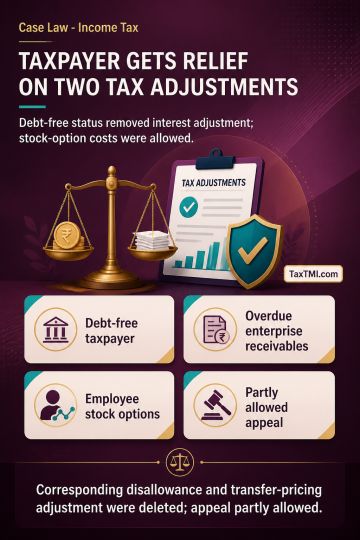
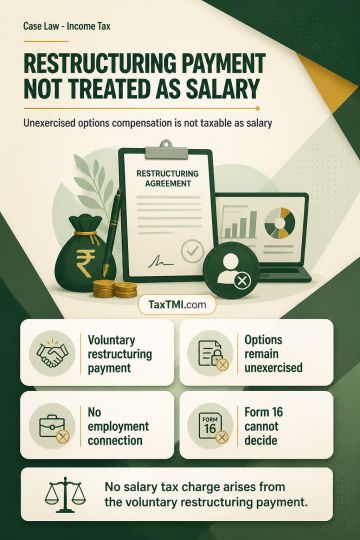
Overdue associated-enterprise receivables: debt-free status defeated notional-interest adjustment, while employee stock-option costs qualified as busi...
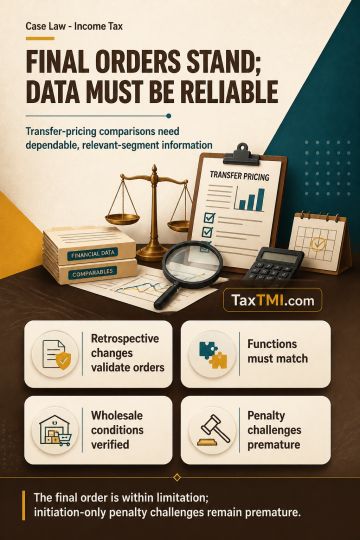
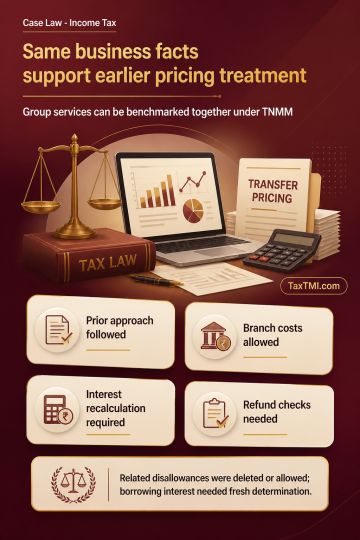
Retrospective assessment-limitation amendments validate final orders while contemporaneous segment data governs transfer-pricing comparability and tol...
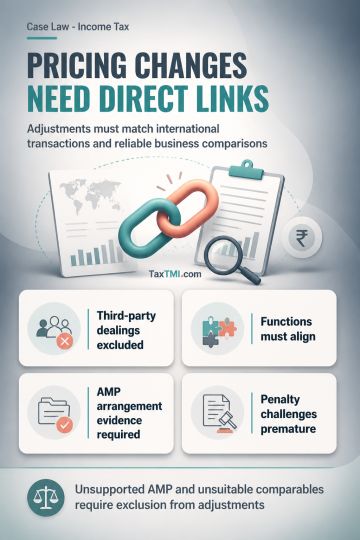
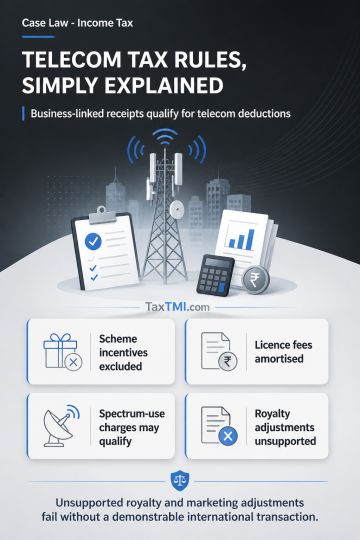
Transfer pricing adjustments must track international transactions, while unsupported AMP adjustments and unsuitable manufacturing comparables require...
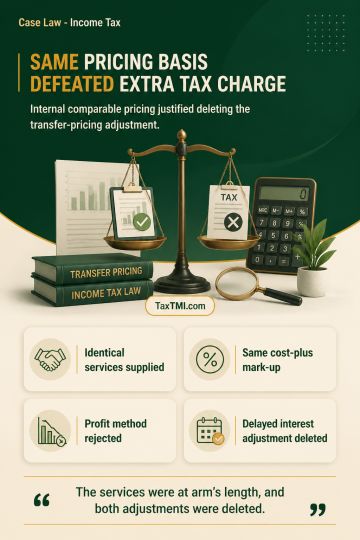
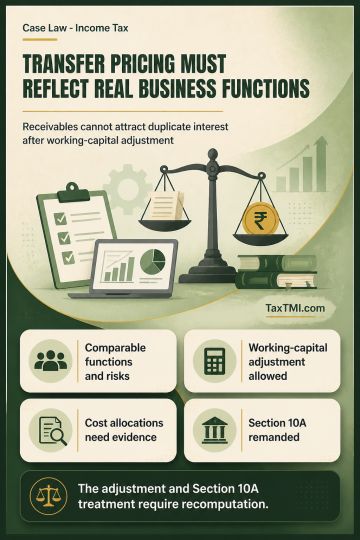
Transfer-pricing adjustments must reflect functional comparability, working-capital effects, and avoid duplicating interest on associated-enterprise r...
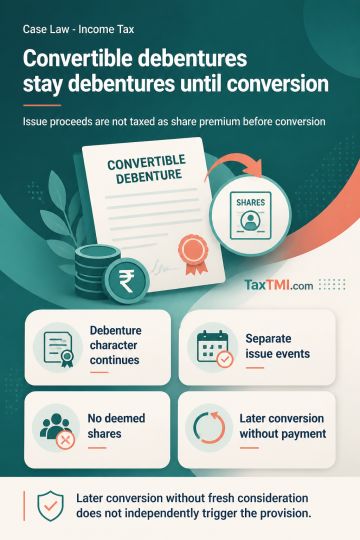
Section 56(2)(viib) applies when consideration is received for the issue of shares. Fully and compulsorily convertible debentures retain their character as debentures until conversion; compulsory future conversion does not treat them as shares on the date consideration is received. Neither section 56(2)(viib) nor Rule 11UA creates a deeming rule that classifies unconverted FCCDs as shares. The original issue of convertible debentures and the later issue of shares on conversion are distinct events, and conversion without fresh consideration does not independently trigger the provision. Regulatory or insolvency classifications cannot expand the charging language of the Income-tax Act.
Section 56(2)(viib) applies when consideration is received for the issue of shares. Fully and compulsorily convertible debentures retain their character as debentures until conversion; compulsory future conversion does not treat them as shares on the date consideration is received. Neither section 56(2)(viib) nor Rule 11UA creates a deeming rule that classifies unconverted FCCDs as shares. The original issue of convertible debentures and the later issue of shares on conversion are distinct events, and conversion without fresh consideration does not independently trigger the provision. Regulatory or insolvency classifications cannot expand the charging language of the Income-tax Act.
Note: It is a system-generated summary and is for quick reference only.
 TaxTMI
  TaxTMI
 of 4881