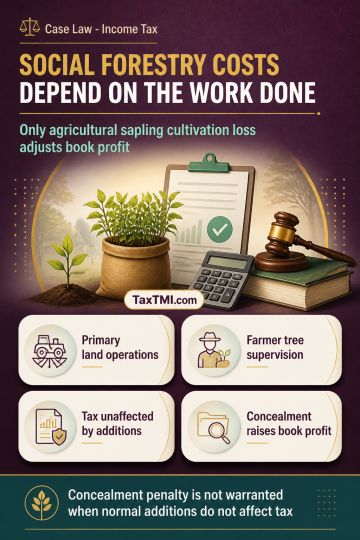
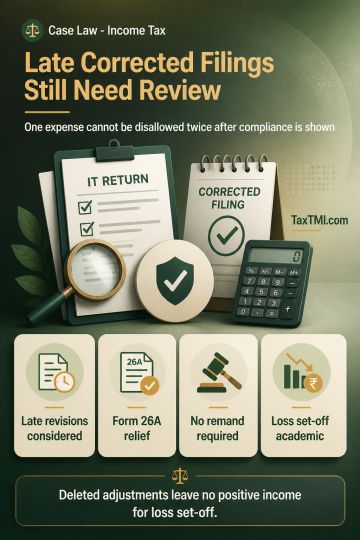
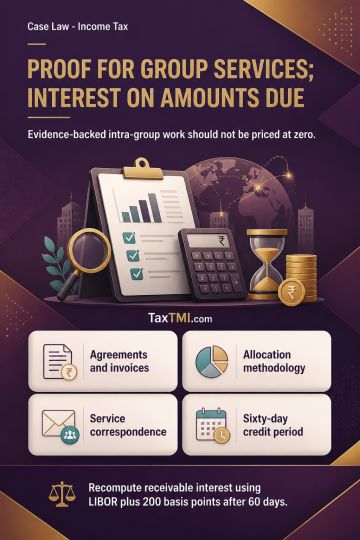
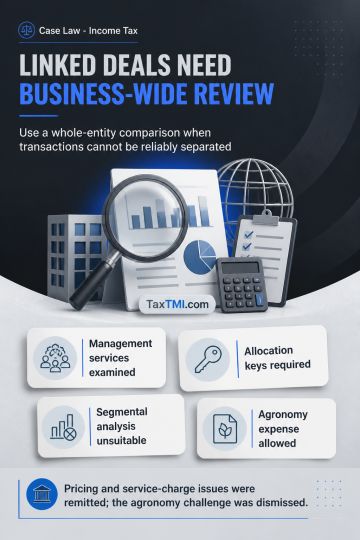
Social forestry expenditure requires activity-based classification, limiting book-profit adjustments and preserving penalty relief where normal additi...
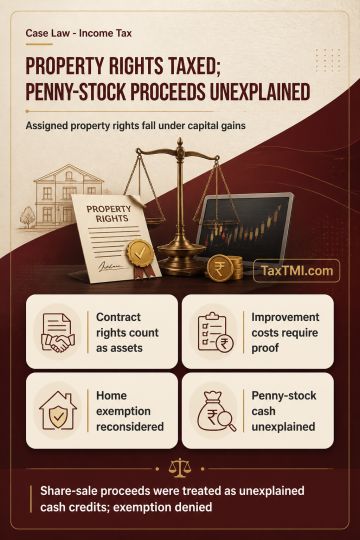
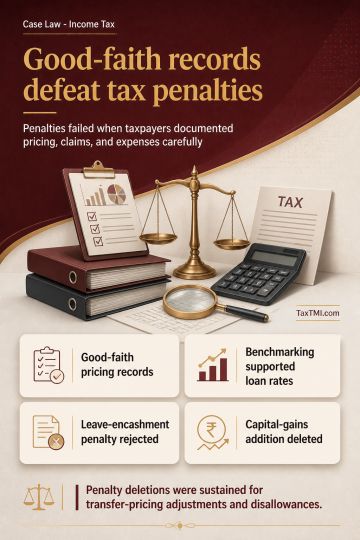
Inaccurate-particulars penalties fail where transfer-pricing documentation shows good faith and due diligence, and underlying capital-gains additions ...
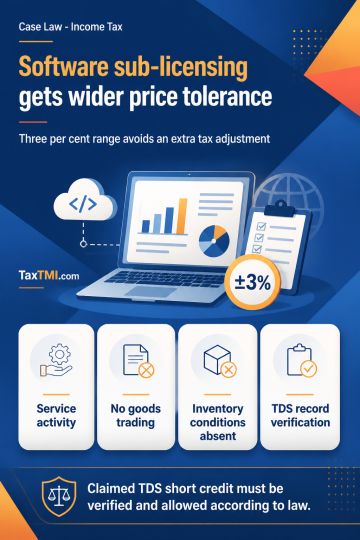
Transfer-pricing tolerance for software sub-licensing falls within the services range, eliminating the adjustment and requiring TDS-credit verificatio...
Customs Broker due diligence requires prescribed KYC, not detecting misdeclarations discoverable only through physical examination, defeating licence ...
Page of 4884
Press 'Enter' after typing page number.
641 to 660 of 97661 Results
❮
❯
❯❯
0 / 200
Expand Note
Add to Folder
No Folders have been created
+
Are you sure you want to delete "My most important" ?
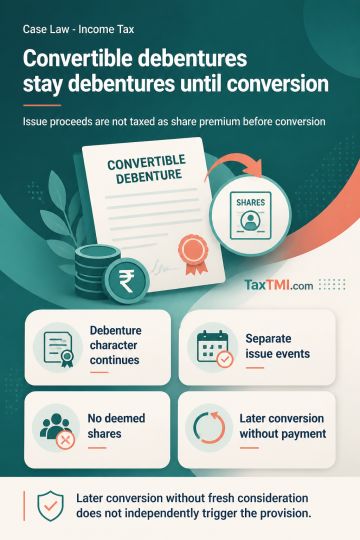
Section 56(2)(viib) applies when consideration is received for the issue of shares. Fully and compulsorily convertible debentures retain their character as debentures until conversion; compulsory future conversion does not treat them as shares on the date consideration is received. Neither section 56(2)(viib) nor Rule 11UA creates a deeming rule that classifies unconverted FCCDs as shares. The original issue of convertible debentures and the later issue of shares on conversion are distinct events, and conversion without fresh consideration does not independently trigger the provision. Regulatory or insolvency classifications cannot expand the charging language of the Income-tax Act.
Section 56(2)(viib) applies when consideration is received for the issue of shares. Fully and compulsorily convertible debentures retain their character as debentures until conversion; compulsory future conversion does not treat them as shares on the date consideration is received. Neither section 56(2)(viib) nor Rule 11UA creates a deeming rule that classifies unconverted FCCDs as shares. The original issue of convertible debentures and the later issue of shares on conversion are distinct events, and conversion without fresh consideration does not independently trigger the provision. Regulatory or insolvency classifications cannot expand the charging language of the Income-tax Act.
Note: It is a system-generated summary and is for quick reference only.
 TaxTMI
  TaxTMI
 of 4884