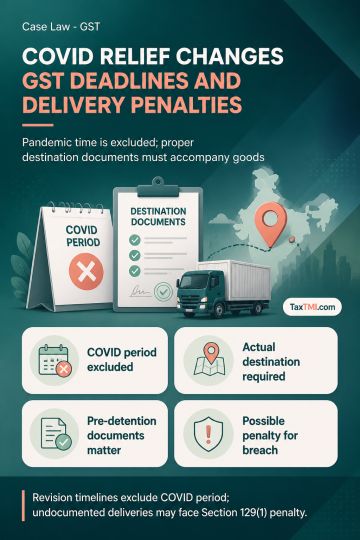
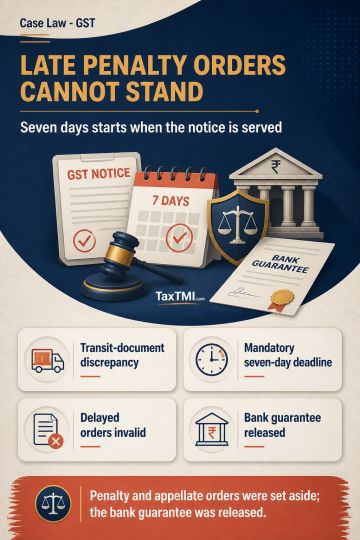
COVID-19 limitation exclusion and destination-specific e-way bills govern revisional timelines and penalties for undocumented third-party plywood deli...
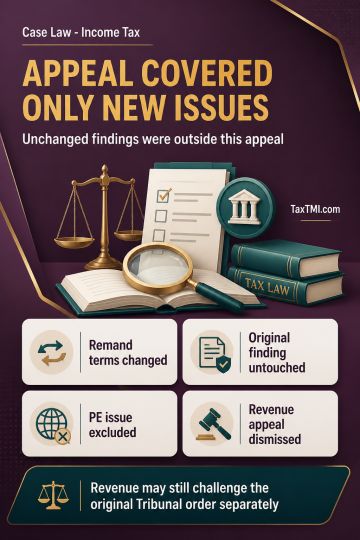
Questions arising from miscellaneous application orders cannot challenge unaltered Tribunal findings, leaving the original order separately challengea...
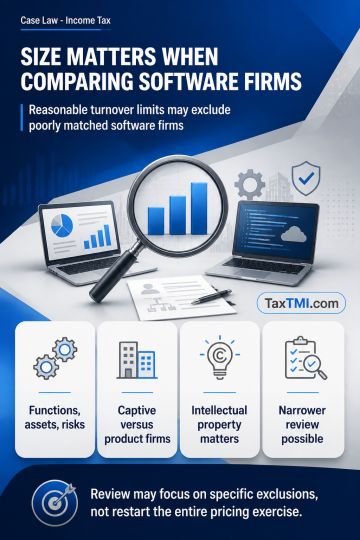
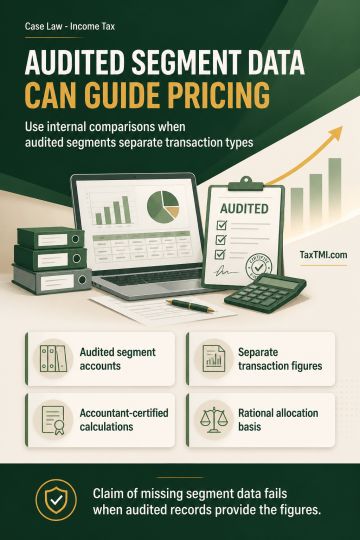
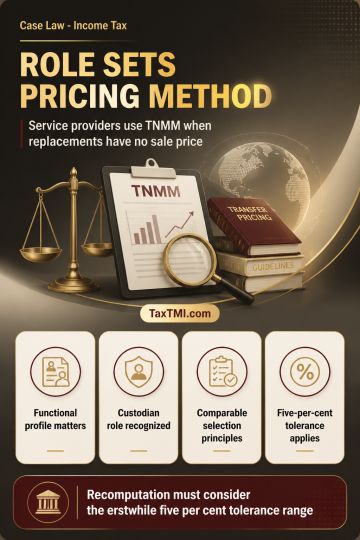
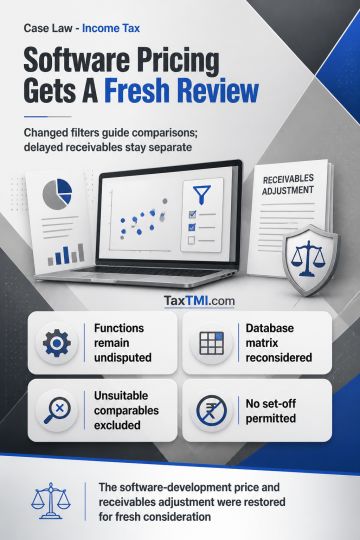
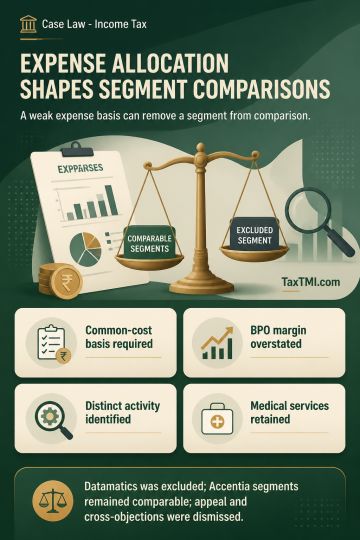
Transfer-pricing comparability filters require fresh arm's-length analysis, while delayed receivables need separate reconsideration with working-capit...
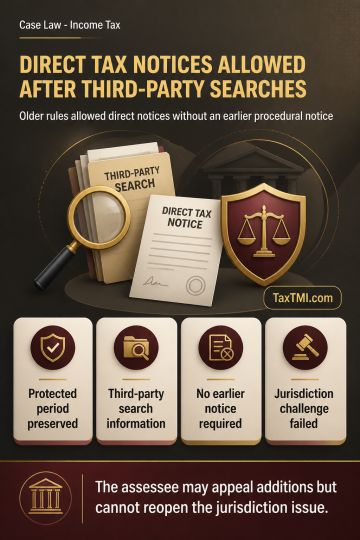
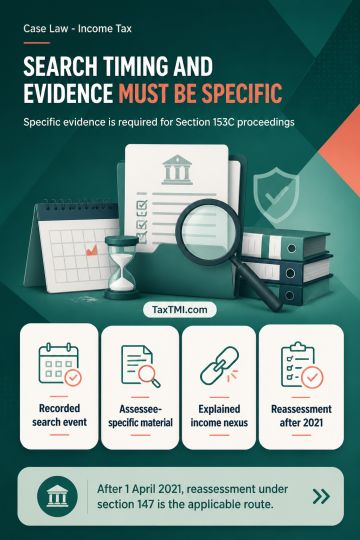
Section 153C jurisdiction requires timely deemed search and assessee-specific satisfaction material; otherwise reassessment must use the proper statut...
Page of 4891
Press 'Enter' after typing page number.
681 to 700 of 97820 Results
❮
❯
❯❯
0 / 200
Expand Note
Add to Folder
No Folders have been created
+
Are you sure you want to delete "My most important" ?
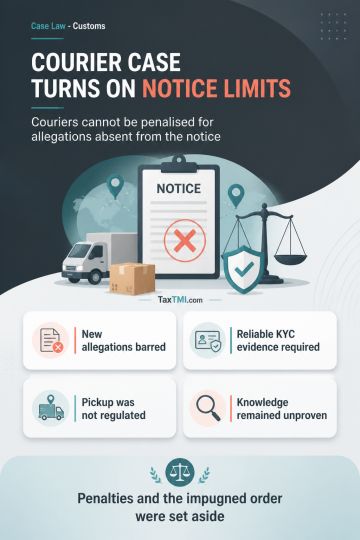
Show-cause notice requirements preclude adjudication on material factual and legal grounds not alleged in the notice. Findings that an authorised courier was the consignor or exporter, lacked consignor authorisation, or knowingly participated in prohibited exports could not stand where the notice alleged only unauthorised outsourcing and deficient KYC compliance. KYC rules required reliable, independent and authentic verification material, not necessarily two identity documents; a genuine driving licence could suffice absent evidence that identity or address was unverifiable. Physical consignment pick-up was not a regulated assessment or clearance function, so its outsourcing did not establish a breach. Mere courier declarations and concealed prohibited goods did not prove knowledge, intent or facilitation; the penalties and impugned order were set aside.
Show-cause notice requirements preclude adjudication on material factual and legal grounds not alleged in the notice. Findings that an authorised courier was the consignor or exporter, lacked consignor authorisation, or knowingly participated in prohibited exports could not stand where the notice alleged only unauthorised outsourcing and deficient KYC compliance. KYC rules required reliable, independent and authentic verification material, not necessarily two identity documents; a genuine driving licence could suffice absent evidence that identity or address was unverifiable. Physical consignment pick-up was not a regulated assessment or clearance function, so its outsourcing did not establish a breach. Mere courier declarations and concealed prohibited goods did not prove knowledge, intent or facilitation; the penalties and impugned order were set aside.
Note: It is a system-generated summary and is for quick reference only.
 TaxTMI
  TaxTMI
 of 4891