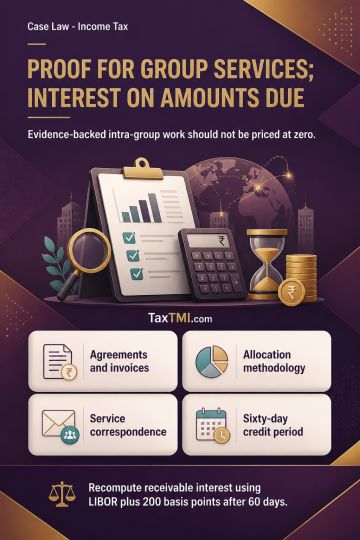
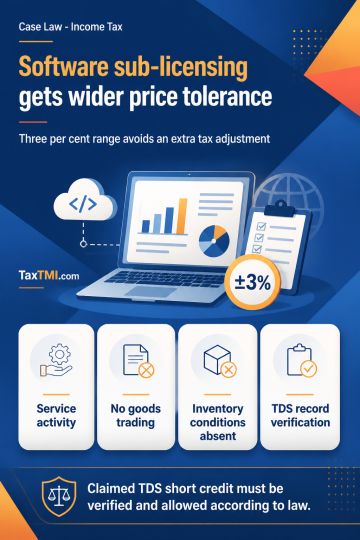
Transfer-pricing tolerance for software sub-licensing falls within the services range, eliminating the adjustment and requiring TDS-credit verificatio...
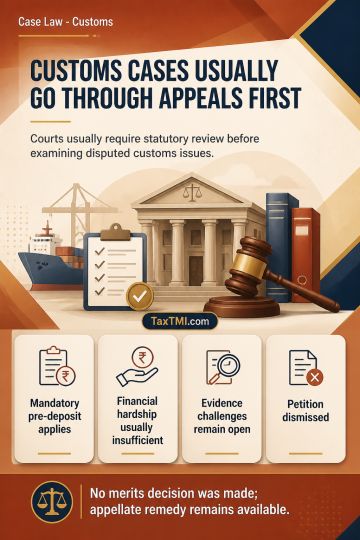
Customs Broker due diligence requires prescribed KYC, not detecting misdeclarations discoverable only through physical examination, defeating licence ...
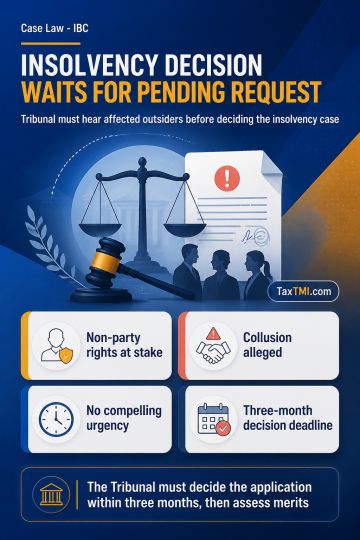
E-filing system failure permits exclusion of affected time in insolvency appeals, preventing tribunal technology defects from defeating timely filings...
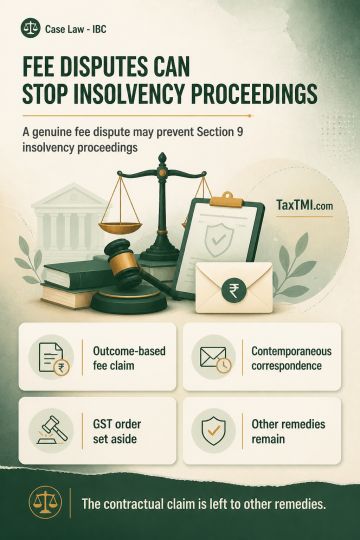
Pre-existing disputes over outcome-based professional fees can bar Section 9 insolvency proceedings where contractual entitlement requires investigati...
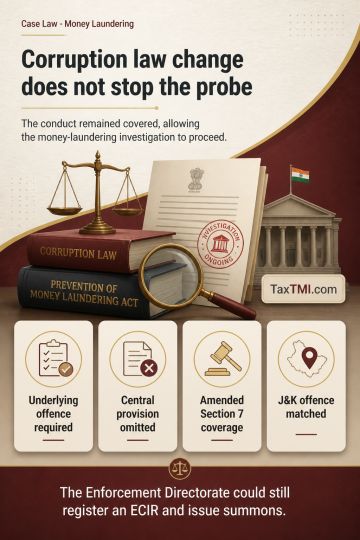
Corresponding scheduled offences preserve money-laundering jurisdiction despite repeal of the central corruption provision where conduct remains cover...
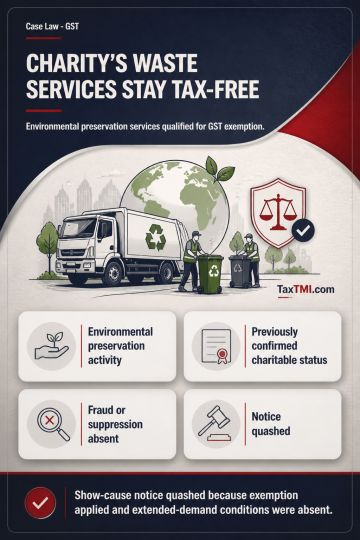
GST exemption applies to effluent and waste-treatment services supplied by a section 12AA-registered entity where those activities constitute charitable preservation of the environment. The specific nil-rate exemption prevails over the taxable entry for sewage and waste collection, treatment and disposal services, particularly where charitable status has been previously determined. Extended demand proceedings require strict proof of fraud, wilful misstatement, or deliberate suppression of material facts with intent to evade tax; a failure to declare tax liability alone is insufficient. A subsequently discontinued exemption claim and later tax payment do not establish prior intent to evade. The show-cause notice was quashed because the exemption was available and the conditions for invoking the extended-demand provision were absent.
GST exemption applies to effluent and waste-treatment services supplied by a section 12AA-registered entity where those activities constitute charitable preservation of the environment. The specific nil-rate exemption prevails over the taxable entry for sewage and waste collection, treatment and disposal services, particularly where charitable status has been previously determined. Extended demand proceedings require strict proof of fraud, wilful misstatement, or deliberate suppression of material facts with intent to evade tax; a failure to declare tax liability alone is insufficient. A subsequently discontinued exemption claim and later tax payment do not establish prior intent to evade. The show-cause notice was quashed because the exemption was available and the conditions for invoking the extended-demand provision were absent.
Note: It is a system-generated summary and is for quick reference only.
 TaxTMI
  TaxTMI
 of 4886