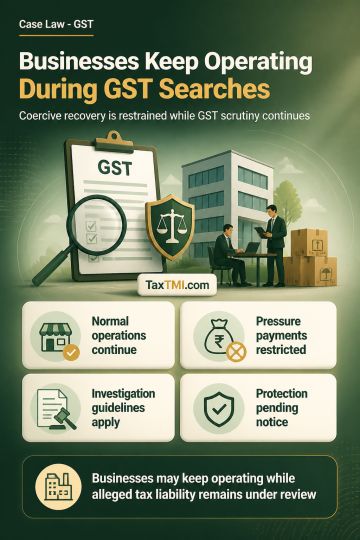
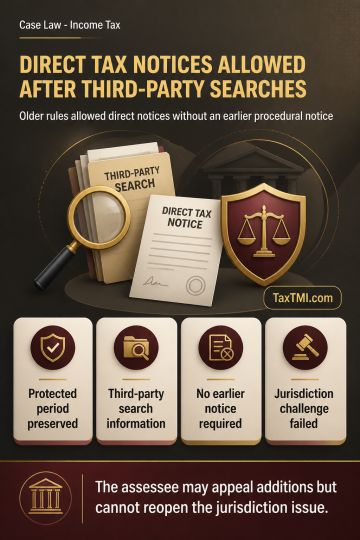
Coercive recovery during GST searches is restrained pending scrutiny, preserving normal business operations and requiring adherence to investigation g...
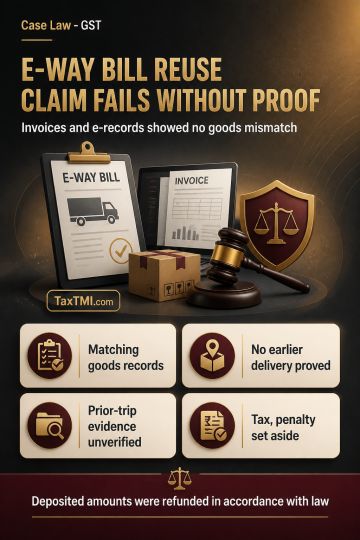
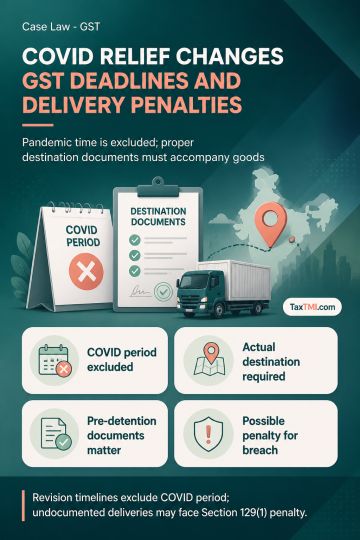
COVID-19 limitation exclusion and destination-specific e-way bills govern revisional timelines and penalties for undocumented third-party plywood deli...
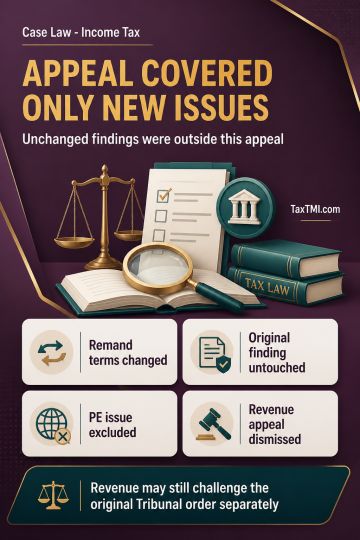
Questions arising from miscellaneous application orders cannot challenge unaltered Tribunal findings, leaving the original order separately challengea...
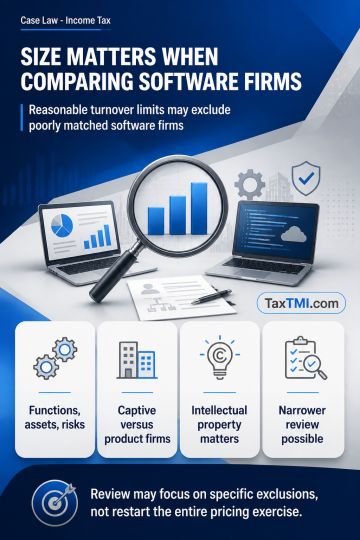
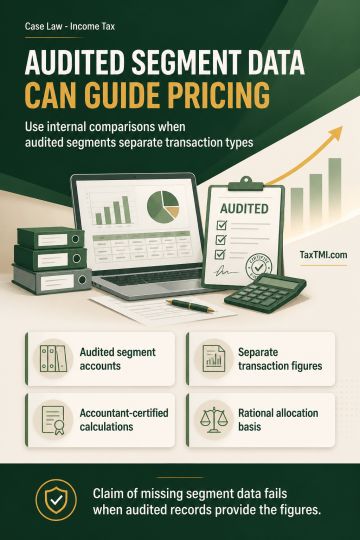
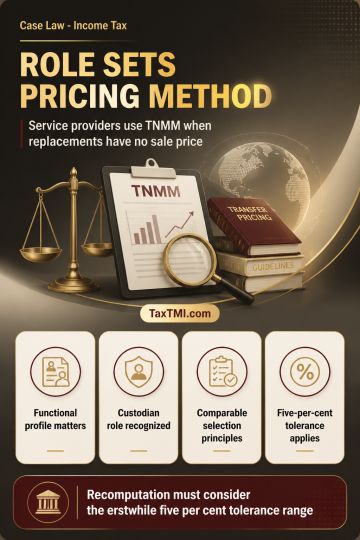
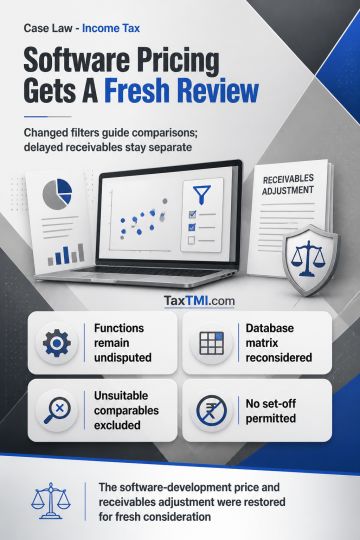
Transfer-pricing comparability filters require fresh arm's-length analysis, while delayed receivables need separate reconsideration with working-capit...
Page of 4894
Press 'Enter' after typing page number.
721 to 740 of 97867 Results
❮
❯
❯❯
0 / 200
Expand Note
Add to Folder
No Folders have been created
+
Are you sure you want to delete "My most important" ?
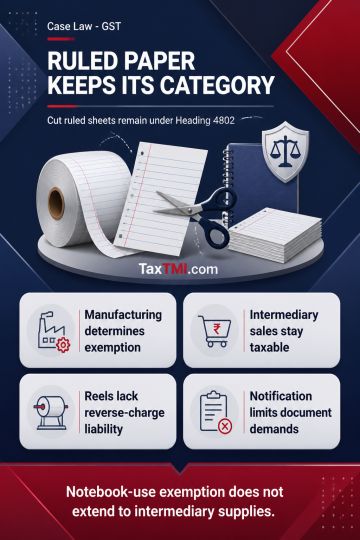
Ruled or lined loose paper sheets produced by cutting uncoated paper remain within Heading 4802, rather than Heading 4820, because loose sheets cut to size are excluded from the finished-stationery heading. Paper is classified under tariff item 48026190 in rolls and 48026290 in sheets. The end-use exemption for paper used in specified notebooks depends on actual use by the manufacturer; supplies through intermediaries remain independently taxable. Recipients of uncoated paper reels have no reverse-charge liability because the goods are not notified for reverse charge, while input tax credit remains subject to statutory conditions. Documentary requirements cannot be imposed where the exemption notification does not prescribe them.
Ruled or lined loose paper sheets produced by cutting uncoated paper remain within Heading 4802, rather than Heading 4820, because loose sheets cut to size are excluded from the finished-stationery heading. Paper is classified under tariff item 48026190 in rolls and 48026290 in sheets. The end-use exemption for paper used in specified notebooks depends on actual use by the manufacturer; supplies through intermediaries remain independently taxable. Recipients of uncoated paper reels have no reverse-charge liability because the goods are not notified for reverse charge, while input tax credit remains subject to statutory conditions. Documentary requirements cannot be imposed where the exemption notification does not prescribe them.
Note: It is a system-generated summary and is for quick reference only.
 TaxTMI
  TaxTMI
 of 4894