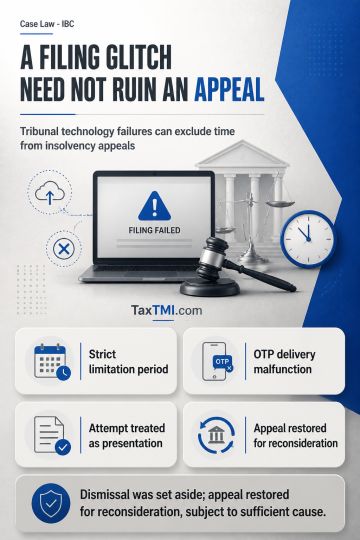
E-filing system failure permits exclusion of affected time in insolvency appeals, preventing tribunal technology defects from defeating timely filings...
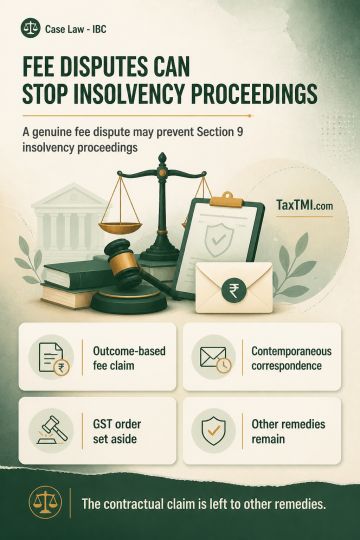
Pre-existing disputes over outcome-based professional fees can bar Section 9 insolvency proceedings where contractual entitlement requires investigati...
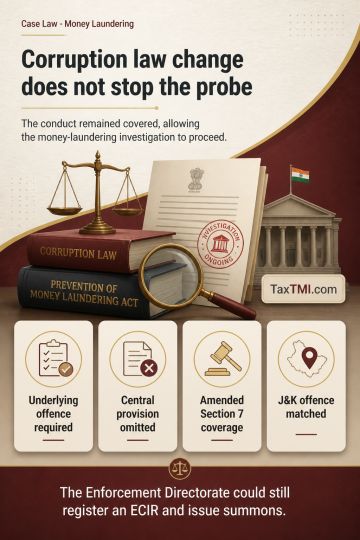
Corresponding scheduled offences preserve money-laundering jurisdiction despite repeal of the central corruption provision where conduct remains cover...
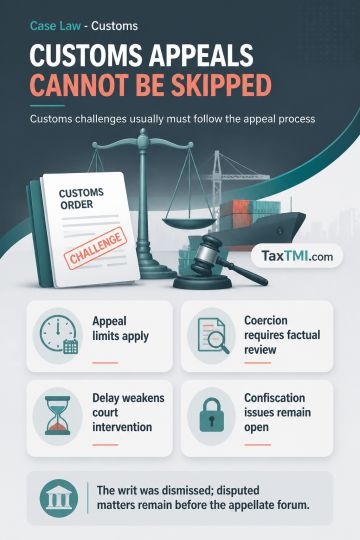
Article 226 writ jurisdiction does not ordinarily permit a party to bypass an efficacious customs appellate remedy or its statutory limitation period. Allegations of coercion, waiver of written notice or personal hearing, service of the adjudication order, and procedural non-compliance may require factual determination in the statutory appeal unless they establish a patent jurisdictional defect or clear denial of natural justice. Substantial delay in invoking writ jurisdiction further weighs against intervention. A delayed customs writ was dismissed, with confiscation, penalty, and the evidentiary effect of relevant documents left open for determination by the competent appellate forum.
Article 226 writ jurisdiction does not ordinarily permit a party to bypass an efficacious customs appellate remedy or its statutory limitation period. Allegations of coercion, waiver of written notice or personal hearing, service of the adjudication order, and procedural non-compliance may require factual determination in the statutory appeal unless they establish a patent jurisdictional defect or clear denial of natural justice. Substantial delay in invoking writ jurisdiction further weighs against intervention. A delayed customs writ was dismissed, with confiscation, penalty, and the evidentiary effect of relevant documents left open for determination by the competent appellate forum.
Note: It is a system-generated summary and is for quick reference only.
 TaxTMI
  TaxTMI
 of 4891