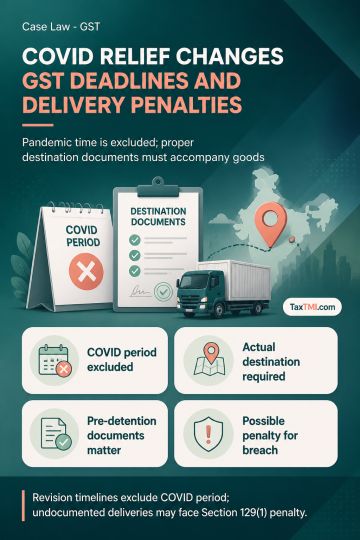
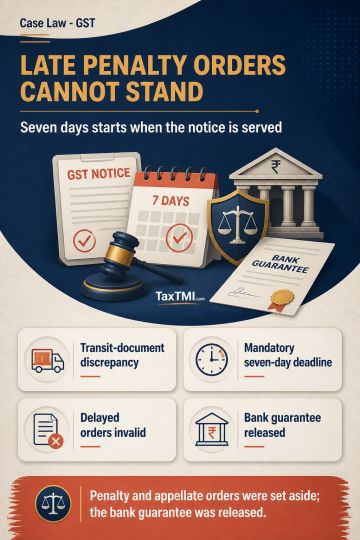
COVID-19 limitation exclusion and destination-specific e-way bills govern revisional timelines and penalties for undocumented third-party plywood deli...
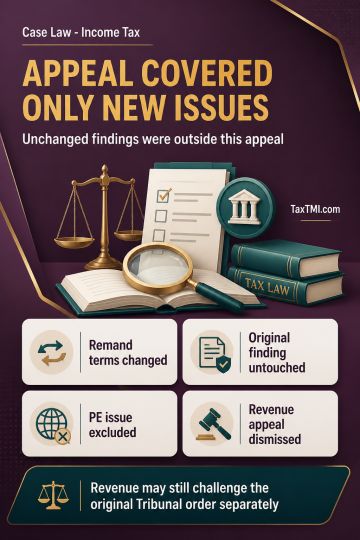
Questions arising from miscellaneous application orders cannot challenge unaltered Tribunal findings, leaving the original order separately challengea...
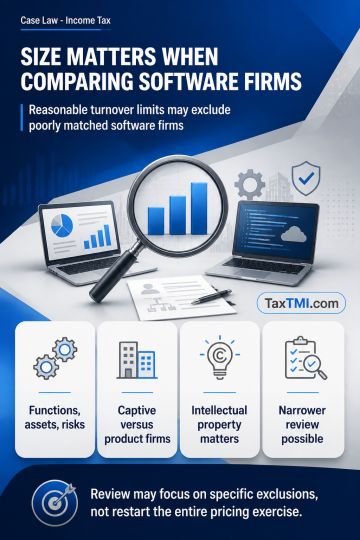
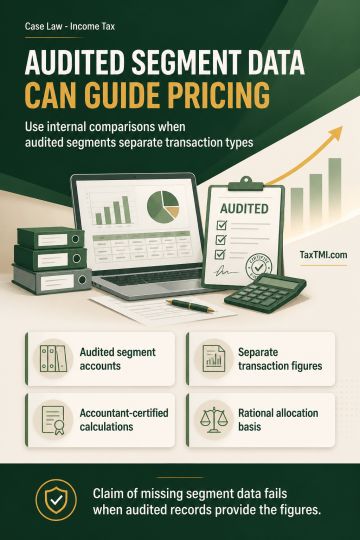
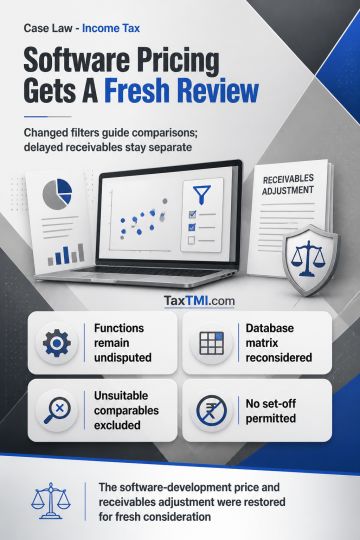
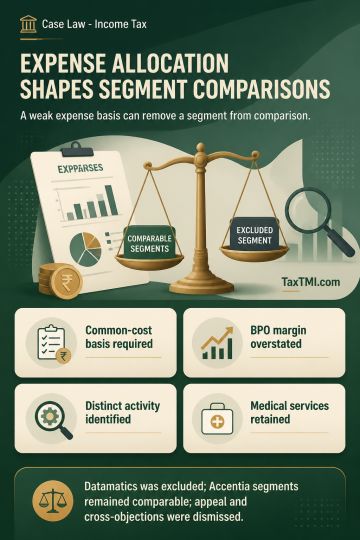
Transfer-pricing comparability filters require fresh arm's-length analysis, while delayed receivables need separate reconsideration with working-capit...
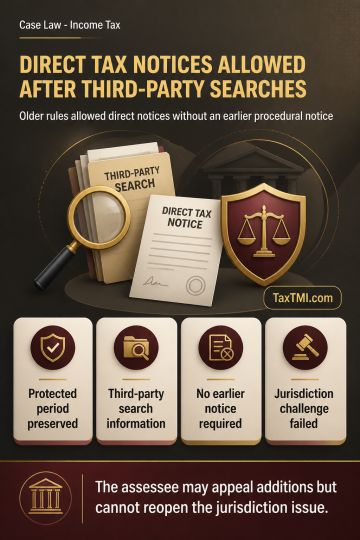
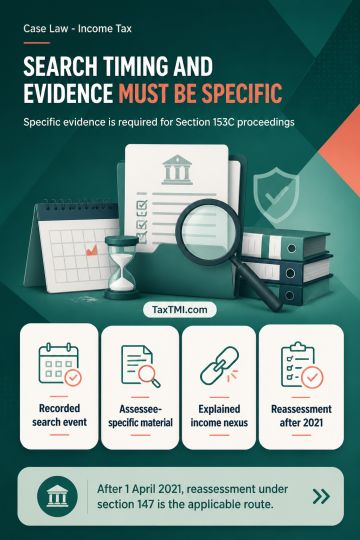
Section 153C jurisdiction requires timely deemed search and assessee-specific satisfaction material; otherwise reassessment must use the proper statut...
Page of 4891
Press 'Enter' after typing page number.
681 to 700 of 97820 Results
❮
❯
❯❯
0 / 200
Expand Note
Add to Folder
No Folders have been created
+
Are you sure you want to delete "My most important" ?
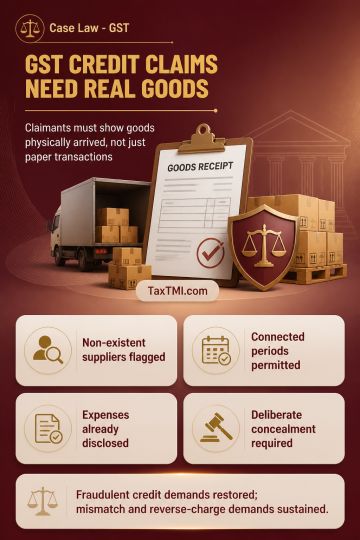
Input tax credit claimed on invoices issued by non-existent suppliers may attract Section 74 where the notice sets out foundational facts indicating fraud, wilful misstatement or suppression. The claimant must establish actual receipt and physical movement of goods; invoices and banking records alone do not prove transaction genuineness. A consolidated notice may cover multiple financial years because the statutory wording permits proceedings for connected periods. Conversely, reverse charge liability cannot be pursued under Section 74 merely from omissions when relevant expenses were disclosed in accounts and financial statements; deliberate non-disclosure is required. Input tax credit mismatch and reverse charge demands were sustained under Section 73 with consequential interest and penalty, while fraudulent credit demands were restored under Section 74.
Input tax credit claimed on invoices issued by non-existent suppliers may attract Section 74 where the notice sets out foundational facts indicating fraud, wilful misstatement or suppression. The claimant must establish actual receipt and physical movement of goods; invoices and banking records alone do not prove transaction genuineness. A consolidated notice may cover multiple financial years because the statutory wording permits proceedings for connected periods. Conversely, reverse charge liability cannot be pursued under Section 74 merely from omissions when relevant expenses were disclosed in accounts and financial statements; deliberate non-disclosure is required. Input tax credit mismatch and reverse charge demands were sustained under Section 73 with consequential interest and penalty, while fraudulent credit demands were restored under Section 74.
Note: It is a system-generated summary and is for quick reference only.
 TaxTMI
  TaxTMI
 of 4891