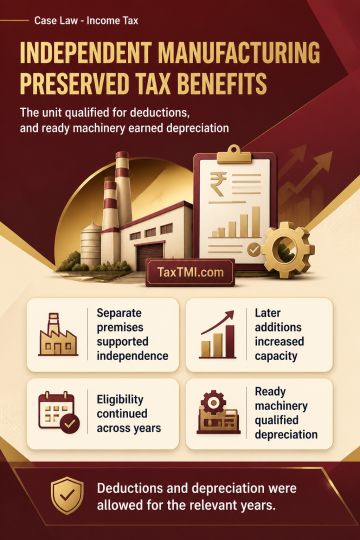
Independent manufacturing undertaking eligibility preserves Section 80IA/80IB deductions, while machinery kept ready for use qualifies for depreciatio...
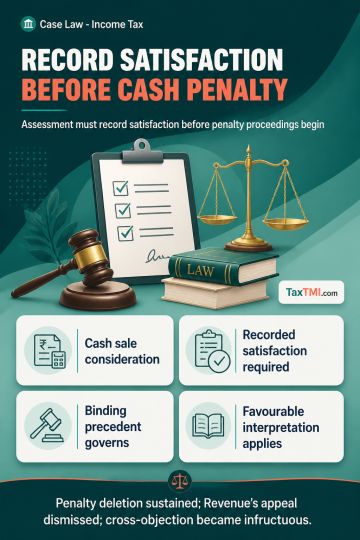
Assessing Officer Satisfaction Requirement Bars Penalty for Cash Receipt in Immovable-Property Sale Cases Where Initiation Lacks Recorded Satisfaction...
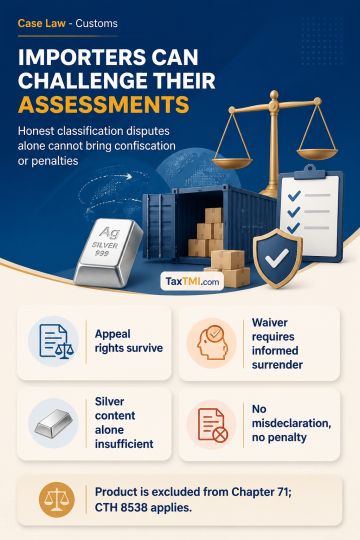
Self-assessed import entries remain appealable, while bona fide classification disputes without misdeclaration cannot justify confiscation or penaltie...
Actual-user customs exemption conditions permit turnkey project transfers when imported windmill components are exclusively used for installation and ...
Customs offence disqualification excludes civil contraventions, preventing refusal of a private bonded warehouse licence based solely on monetary pena...
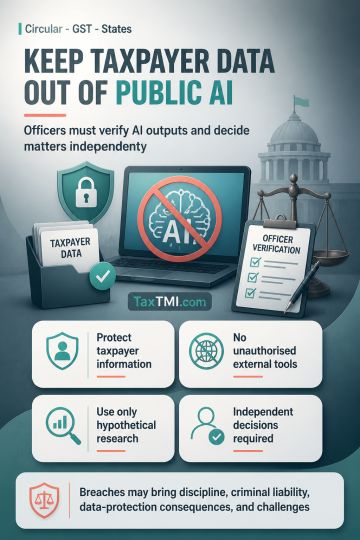
Taxpayer confidentiality bars officers and staff from transmitting identifiable taxpayer information or departmental data to public or commercial AI tools, third-party online platforms, external systems, browser extensions or personal accounts unless expressly authorised in writing. Permitted AI use is limited to generic, wholly hypothetical legal or procedural research and drafting support, with independent verification against primary sources. Officers remain personally responsible for disclosures made by themselves or persons acting under their control; breaches may lead to disciplinary action, criminal liability, data-protection consequences and challenges to affected proceedings. Notices and quasi-judicial orders must reflect the signing officer's independent assessment of facts and law, not unverified or mechanically adopted AI-generated content.
Taxpayer confidentiality bars officers and staff from transmitting identifiable taxpayer information or departmental data to public or commercial AI tools, third-party online platforms, external systems, browser extensions or personal accounts unless expressly authorised in writing. Permitted AI use is limited to generic, wholly hypothetical legal or procedural research and drafting support, with independent verification against primary sources. Officers remain personally responsible for disclosures made by themselves or persons acting under their control; breaches may lead to disciplinary action, criminal liability, data-protection consequences and challenges to affected proceedings. Notices and quasi-judicial orders must reflect the signing officer's independent assessment of facts and law, not unverified or mechanically adopted AI-generated content.
Note: It is a system-generated summary and is for quick reference only.
 TaxTMI
  TaxTMI
 of 4897