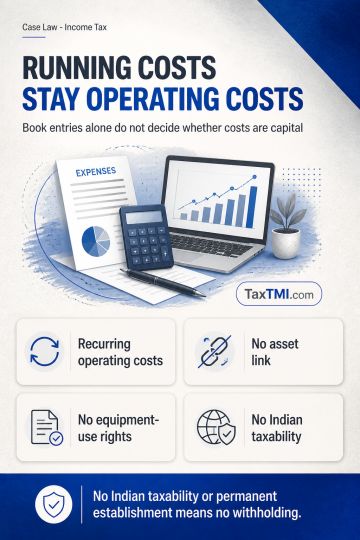
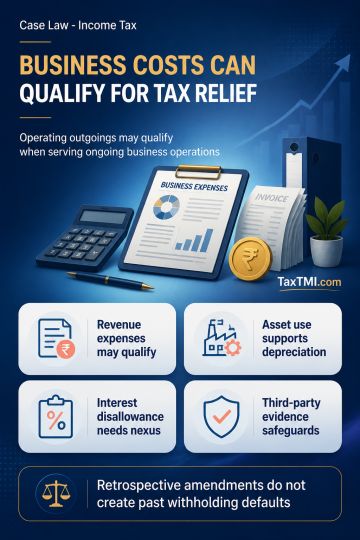
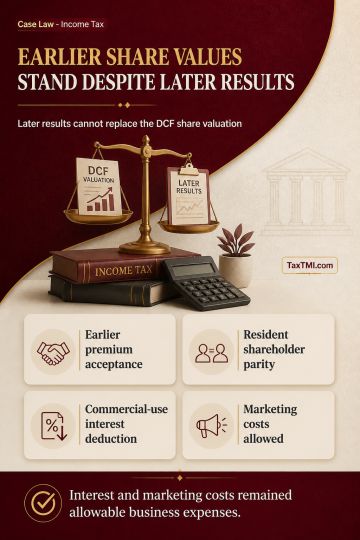
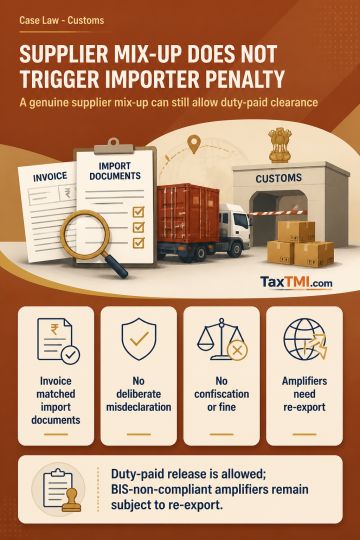
Business expenditure and depreciation rules allow operational outgoings while limiting disallowances for personal elements and unsupported third-party...
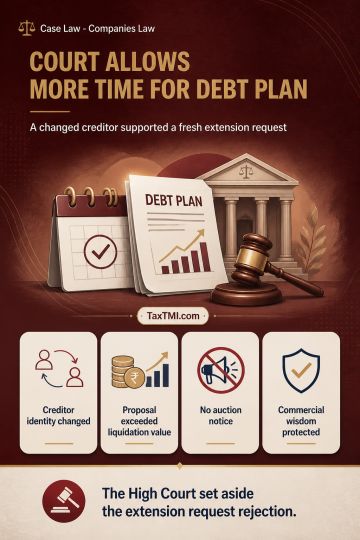
Compromise-and-arrangement extensions may accommodate debt assignment where creditor commercial judgment supports value maximisation and avoids proced...
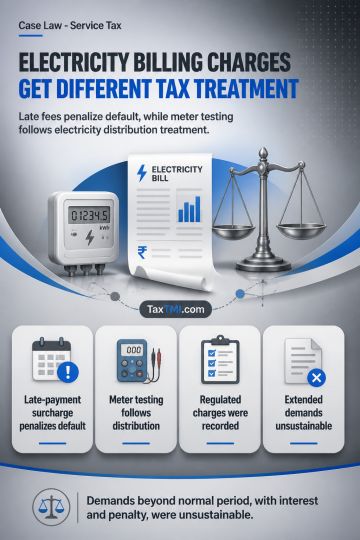
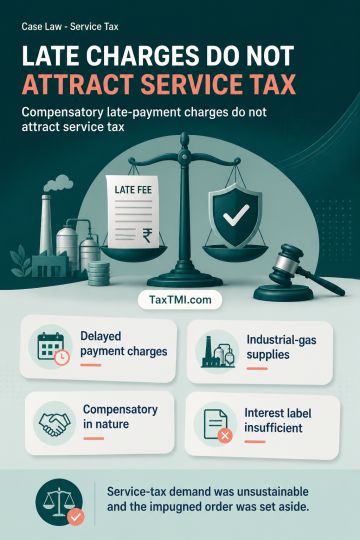
Delayed-payment surcharge is not taxable tolerance consideration where it penalises default, while meter testing follows electricity distribution trea...
Sufficient cause for delayed revenue income-tax appeals requires bona fides, due diligence and a credible explanation; otherwise limitation bars appea...
Inverted-duty-structure refunds remain available for unchanged-rate apparel supplies despite trader status and require tax-period-specific computation...
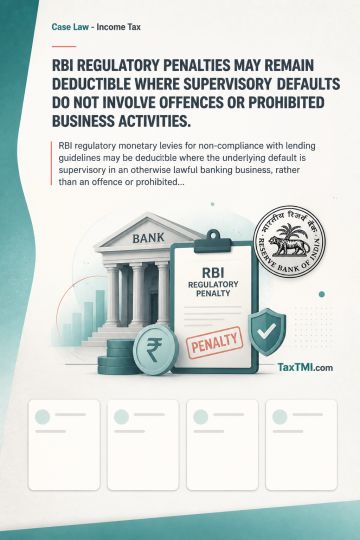
RBI regulatory monetary levies for non-compliance with lending guidelines may be deductible where the underlying default is supervisory in an otherwise lawful banking business, rather than an offence or prohibited activity; the levy was therefore not disallowed under Explanation 1 to section 37(1). Banking-company securities held as stock-in-trade did not attract expenditure disallowance for exempt dividend income under section 14A and Rule 8D. Net depreciation on investments valued under ICDS VIII and RBI guidelines was allowable because the prescribed method was followed. Employee stock-option discount was treated as revenue expenditure because it incentivises and retains employees without creating an enduring asset or constituting capital-raising expenditure.
RBI regulatory monetary levies for non-compliance with lending guidelines may be deductible where the underlying default is supervisory in an otherwise lawful banking business, rather than an offence or prohibited activity; the levy was therefore not disallowed under Explanation 1 to section 37(1). Banking-company securities held as stock-in-trade did not attract expenditure disallowance for exempt dividend income under section 14A and Rule 8D. Net depreciation on investments valued under ICDS VIII and RBI guidelines was allowable because the prescribed method was followed. Employee stock-option discount was treated as revenue expenditure because it incentivises and retains employees without creating an enduring asset or constituting capital-raising expenditure.
Note: It is a system-generated summary and is for quick reference only.
 TaxTMI
  TaxTMI
 of 4888