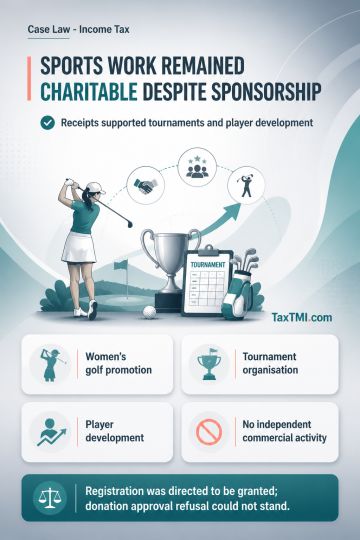
Charitable sports promotion: sponsorship receipts alone did not defeat registration where funds supported tournaments and player development activitie...
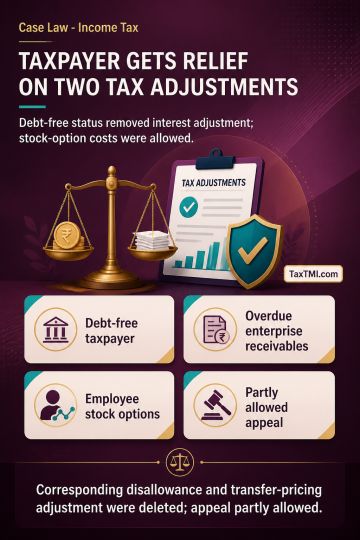
Overdue associated-enterprise receivables: debt-free status defeated notional-interest adjustment, while employee stock-option costs qualified as busi...
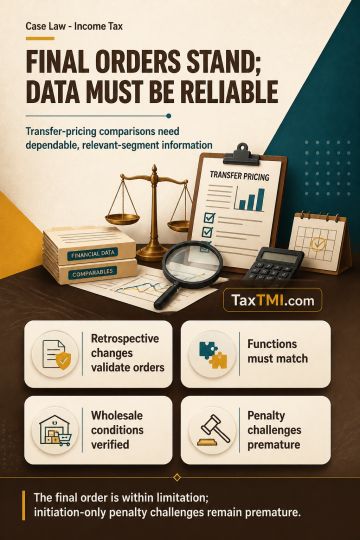
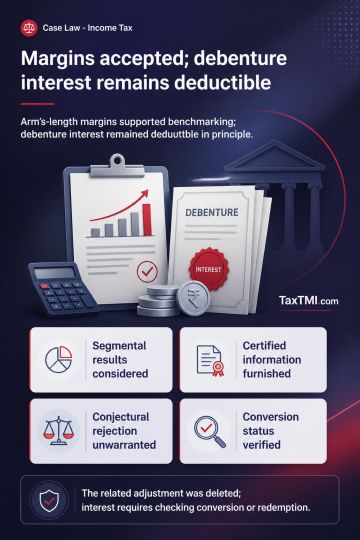
Retrospective assessment-limitation amendments validate final orders while contemporaneous segment data governs transfer-pricing comparability and tol...
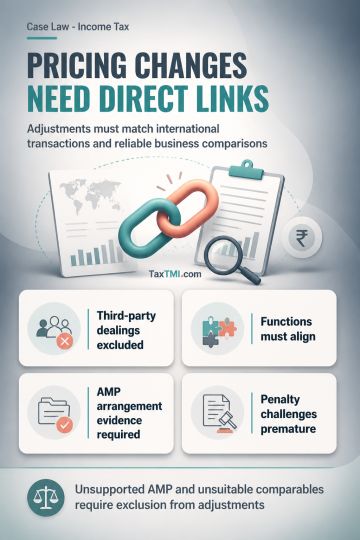
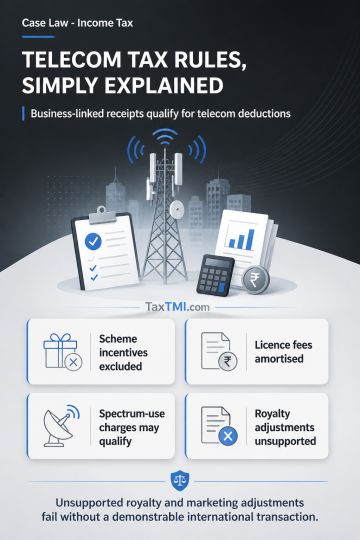
Transfer pricing adjustments must track international transactions, while unsupported AMP adjustments and unsuitable manufacturing comparables require...
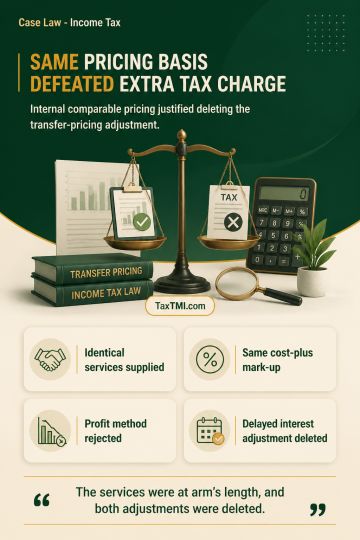
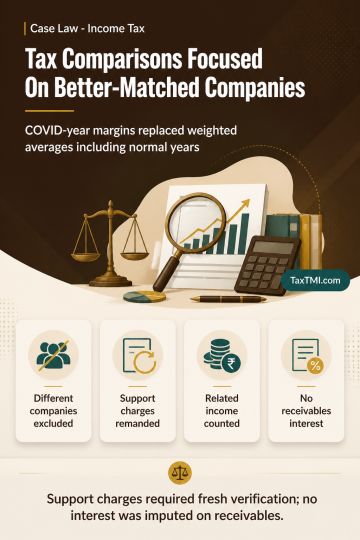
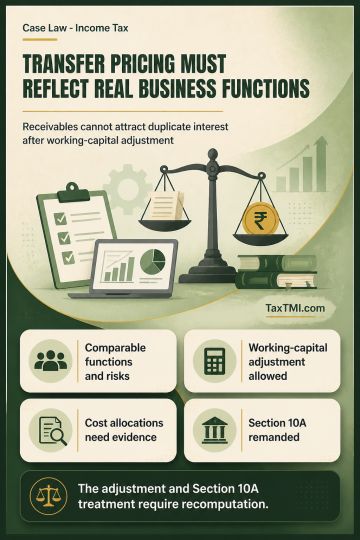
Transfer-pricing adjustments must reflect functional comparability, working-capital effects, and avoid duplicating interest on associated-enterprise r...
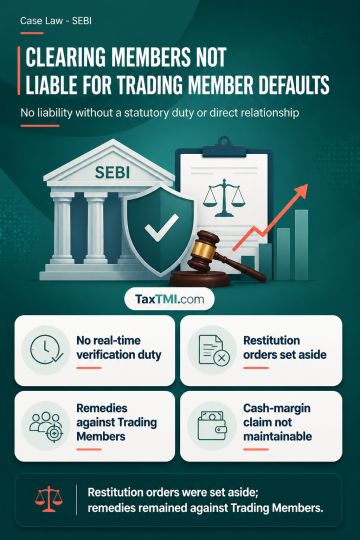
Professional Clearing Members had no statutory duty or real-time regulatory visibility to verify individual Trading Member clients' debit and credit positions before collateral liquidation; the applicable framework treated the Trading Member as their constituent and restricted cross-use of margin only between Trading Members. No regulatory breach was established. Clearing committees could not order restitution of liquidated securities or block equivalent collateral, because stock-exchange bye-laws excluded monetary penalties and no substantive statutory power supported those measures. Individual clients had no claim against Professional Clearing Members for Trading Members' defaults under illegal assured-return schemes, absent privity or regulatory breach; remedies remained against Trading Members. Restitution orders were set aside, while the investor's cash-margin claim was not maintainable.
Professional Clearing Members had no statutory duty or real-time regulatory visibility to verify individual Trading Member clients' debit and credit positions before collateral liquidation; the applicable framework treated the Trading Member as their constituent and restricted cross-use of margin only between Trading Members. No regulatory breach was established. Clearing committees could not order restitution of liquidated securities or block equivalent collateral, because stock-exchange bye-laws excluded monetary penalties and no substantive statutory power supported those measures. Individual clients had no claim against Professional Clearing Members for Trading Members' defaults under illegal assured-return schemes, absent privity or regulatory breach; remedies remained against Trading Members. Restitution orders were set aside, while the investor's cash-margin claim was not maintainable.
Note: It is a system-generated summary and is for quick reference only.
 TaxTMI
  TaxTMI
 of 4886