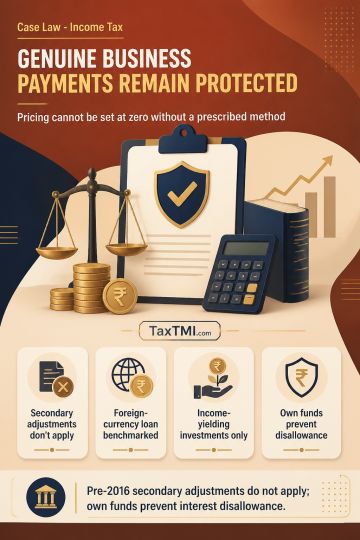
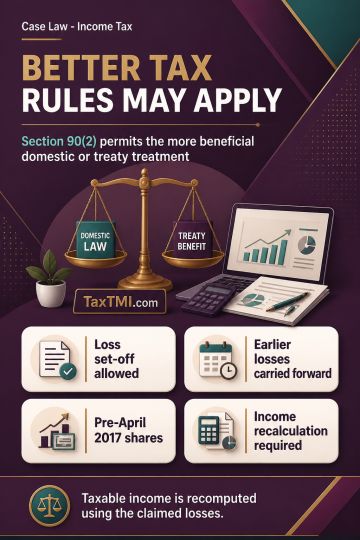
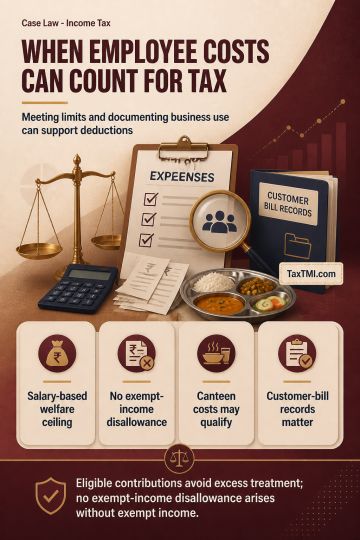
Transfer-pricing methodology protects commercially genuine associated-enterprise payments, while pre-2016 secondary adjustments and related notional i...
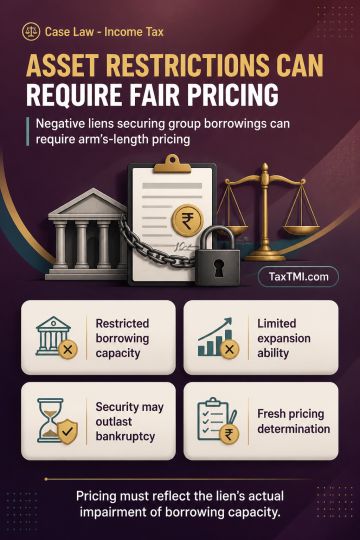
Negative liens over operating assets can constitute international transactions requiring arm's-length pricing reflecting restricted borrowing and expa...
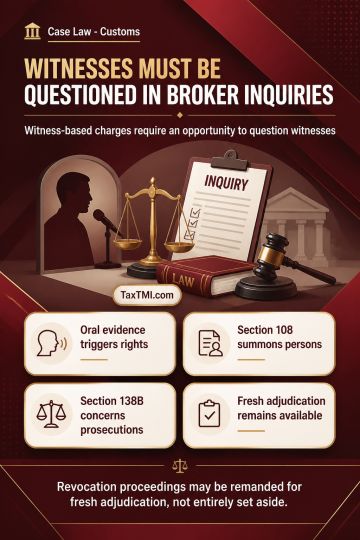
Cross-examination rights in Customs Broker revocation inquiries require witness examination; procedural denial may be cured through fresh adjudication...
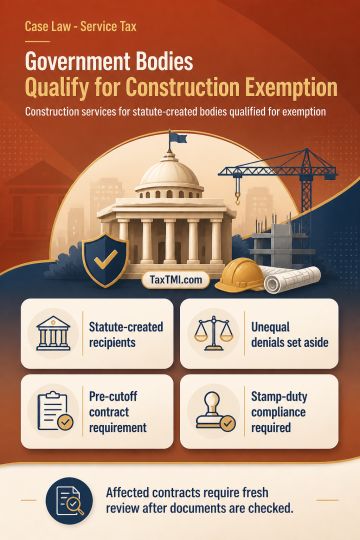
Governmental authority status supports construction-service exemption, while pre-cutoff contract and stamp-duty compliance requires verification on re...
Automated Free Sale and Commerce Certificates enable paperless processing while retaining risk-based manual verification for selected exporter applica...
Page of 4894
Press 'Enter' after typing page number.
1441 to 1460 of 97867 Results
❮
❯
❯❯
0 / 200
Expand Note
Add to Folder
No Folders have been created
+
Are you sure you want to delete "My most important" ?
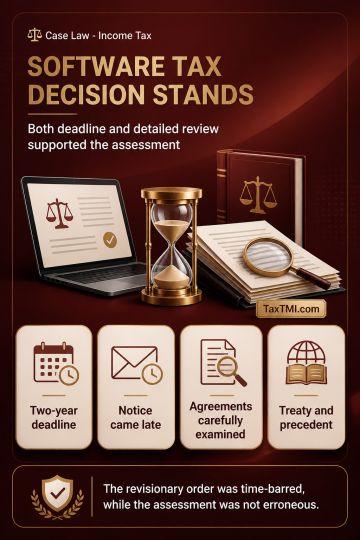
Revision under section 263 must be initiated within two years from the end of the financial year in which the assessment order was passed. The limitation expired before the first revisionary notice and order were issued, rendering the revisionary order time-barred and liable to be quashed. Independently, revision of the assessment treating integrated hardware systems with embedded software as non-royalty was unwarranted because the Assessing Officer had examined the agreements, copyright rights, software and services, and the India-United Kingdom tax treaty. Consistent earlier decisions and the Supreme Court's Engineering Analysis ruling supported the non-royalty treatment, so the assessment order was not erroneous or prejudicial to Revenue interests.
Revision under section 263 must be initiated within two years from the end of the financial year in which the assessment order was passed. The limitation expired before the first revisionary notice and order were issued, rendering the revisionary order time-barred and liable to be quashed. Independently, revision of the assessment treating integrated hardware systems with embedded software as non-royalty was unwarranted because the Assessing Officer had examined the agreements, copyright rights, software and services, and the India-United Kingdom tax treaty. Consistent earlier decisions and the Supreme Court's Engineering Analysis ruling supported the non-royalty treatment, so the assessment order was not erroneous or prejudicial to Revenue interests.
Note: It is a system-generated summary and is for quick reference only.
 TaxTMI
  TaxTMI
 of 4894