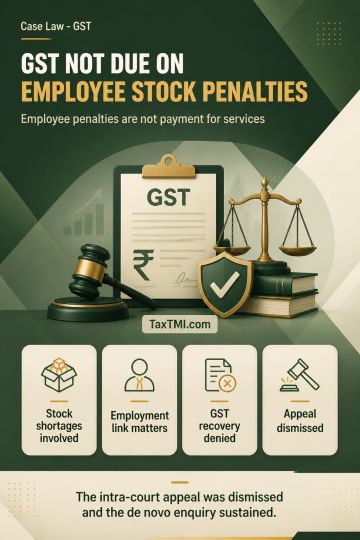
Employee stock-shortage penalties do not constitute consideration for services, preventing GST collection under Schedule II in employment relationship...
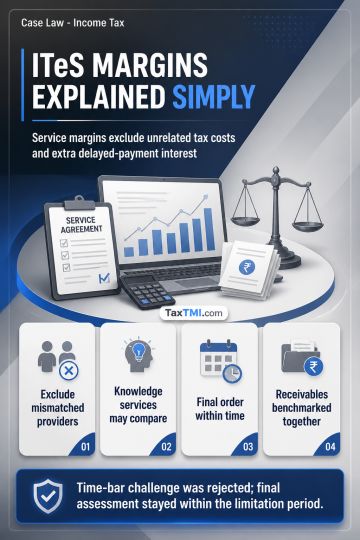
Transfer-pricing treatment of ITeS margins excludes pass-through tax recoveries and separate delayed-receivables interest after working-capital adjust...
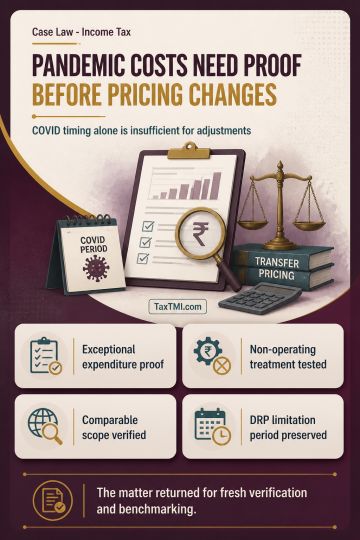
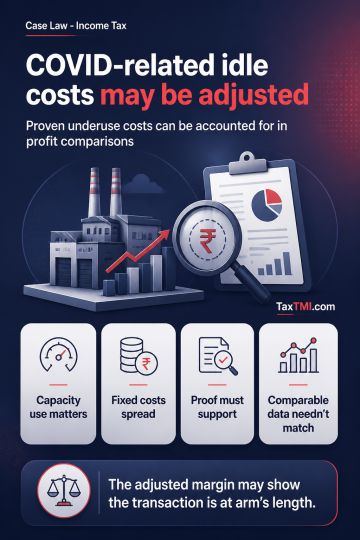
Capacity-utilisation adjustments under TNMM can neutralise substantiated COVID-related idle costs where underutilisation materially affects profitabil...
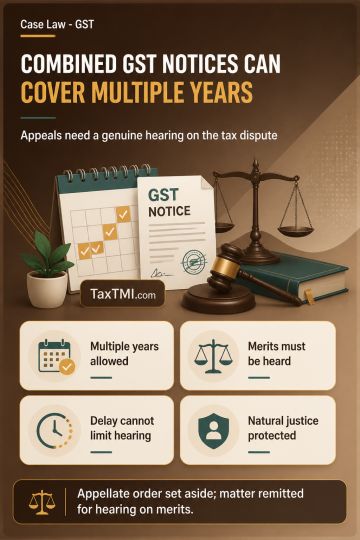
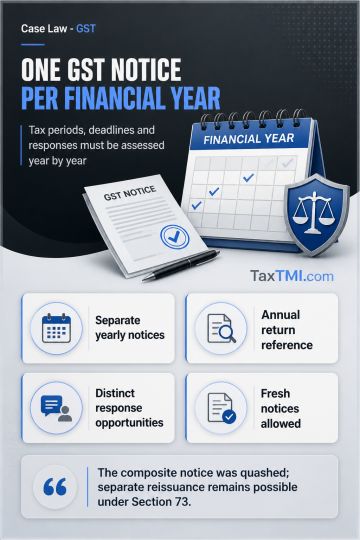
Section 73 of the CGST Act requires GST assessment and demand limitation to be determined separately for each financial year, with reference to the relevant annual return. A composite show cause notice covering multiple financial years improperly combines distinct tax periods, due dates, limitation periods, allegations and response opportunities. High Court precedent is binding within its territorial jurisdiction. The composite notice was quashed, while preserving the respondents' liberty to issue fresh notices separately in accordance with Section 73, subject to any other legal impediment.
Section 73 of the CGST Act requires GST assessment and demand limitation to be determined separately for each financial year, with reference to the relevant annual return. A composite show cause notice covering multiple financial years improperly combines distinct tax periods, due dates, limitation periods, allegations and response opportunities. High Court precedent is binding within its territorial jurisdiction. The composite notice was quashed, while preserving the respondents' liberty to issue fresh notices separately in accordance with Section 73, subject to any other legal impediment.
Note: It is a system-generated summary and is for quick reference only.
 TaxTMI
  TaxTMI
 of 4886